

Jump to Directory
- Why Children Must Wear a Bike Helmet
- How a Bike Helmet Actually Protects the Head
- Key Safety Certifications Parents Should Check
- Choosing the Right Size and Proper Fit
- Helmet Structure: What Really Determines Protection
- Comfort Isn’t Just a Bonus — It’s Part of Safety
- Helmet Lifespan and When to Replace It
- How to Get Children to Actually Wear a Bike Helmet
Bicycles are one of the most common outdoor activity tools for children, but they also come with real safety risks. According to road safety data from the U.S. National Highway Traffic Safety Administration (NHTSA), the most severe injuries in bicycle accidents usually involve the head. Multiple traffic safety studies show that compliant cycling helmets can reduce the risk of serious head injuries by about 60%–70%. This is why children’s helmets are included in strict structural strength and impact absorption test systems in both the U.S. CPSC (Consumer Product Safety Commission) regulations and the European EN1078 standard.
For children, the bones of the head are not yet fully developed, and their ability to withstand impact is lower than that of adults, so falls of the same intensity are more likely to cause serious consequences. Many parents pay close attention to knee and elbow protection but underestimate the importance of helmets. In reality, a helmet is not an “optional accessory” but the fundamental piece of safety equipment for children when they ride.
Why Children Must Wear a Bike Helmet
Children are more vulnerable than adults in bicycle accidents, for several reasons:
- Their balance is still developing. A sudden brake, sharp turn, bump in the road, or moment of distraction can quickly lead to a fall.
- Their reaction time and risk judgment are not fully mature. They may not be able to react in time to avoid obstacles or protect themselves during a crash.
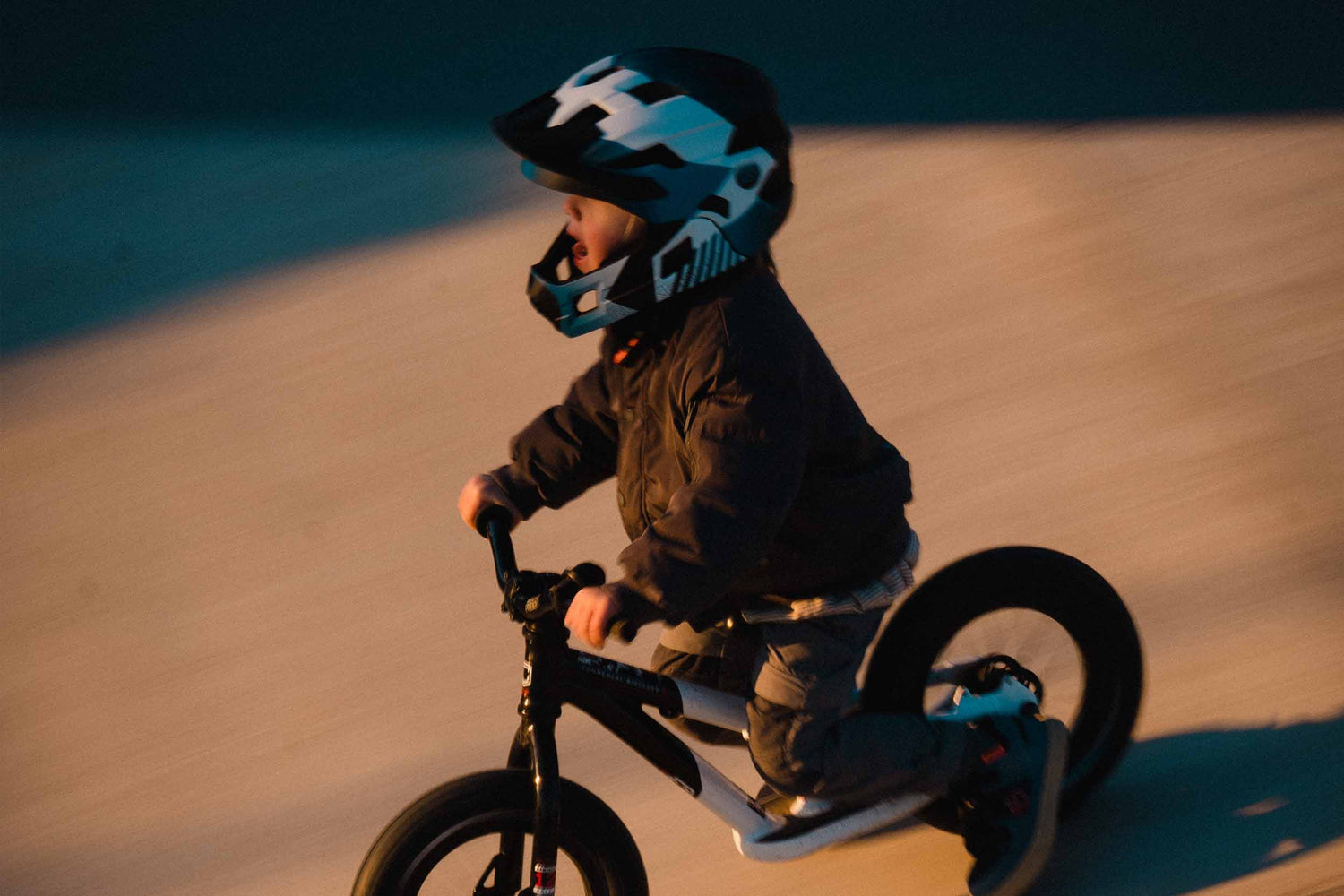
Unlike adults, children are less likely to instinctively protect their heads when they fall. Their bodies simply don’t know how to brace yet. That makes a helmet especially important: it fills in the gap between instinct and actual physical protection.
A helmet is not magic, but it is a proven layer of defense that can turn a serious head injury into a minor scrape.

How a Bike Helmet Actually Protects the Head
Many parents assume that helmets work because they are “hard.” In reality, their core job is energy absorption, not simple resistance.
Modern bike helmets use a layered structure:
Outer shell (usually PC or ABS):
- Helps spread impact force over a larger area.
- Protects the inner foam from sharp objects and surface damage.
Inner foam layer (typically EPS or EPP):
- Designed to deform or crush in a controlled way during an impact.
- This deformation absorbs a significant portion of the impact energy, reducing the peak force that reaches the skull.
Without this energy‑absorbing design, a “hard shell” alone provides very limited protection. Cheap or poorly built helmets may look similar on the outside, but they often lack sufficient foam thickness, structure, or certification testing to perform when it matters most.
This is why you should always choose a helmet that has passed safety standards like CPSC or EN1078, not just one that looks strong.
Key Safety Certifications Parents Should Check
When shopping for a kids’ bike helmet, the most important thing to look for is not color or price—it’s the certification label.
CPSC (U.S. Consumer Product Safety Commission)
- The default standard for bicycle helmets sold in the United States.
- Covers multi‑directional impact tests and tests for the strength and reliability of the retention system (straps and buckle).
- A helmet without CPSC‑approved labeling is not considered compliant for regular bike use in the U.S.
EN1078 (Europe)
- A widely used standard for bicycle and skate‑type helmets in the European market.
- Includes tests for impact absorption, field of view (visibility), and strap stability.
Other Markings
Some helmets also display CE markings or additional lab tests. However, for children’s everyday cycling, CPSC or EN1078 remains the primary benchmark to rely on.
If a kid’s helmet has no clear safety certification, it should not be treated as reliable protection for regular use.

Choosing the Right Size and Proper Fit
An incorrectly sized helmet can fail even if it meets all technical standards:
- A too‑large helmet shifts in a crash, leaving critical areas of the head exposed.
- A too‑small helmet puts pressure on the forehead and sides, causing discomfort and encouraging kids to remove it.
Follow these steps to get the right fit:
Measure head circumference
- Use a soft measuring tape around the widest part of the head.
- Start just above the eyebrows, go above the ears, and circle around the most prominent part of the back of the head.
Pick the correct size range
- Match your child’s measurement to the manufacturer’s size chart (for example, 48–52 cm or 52–56 cm).
Adjust the rear dial
- Modern kids’ helmets usually have a rear tightening system that lets you fine‑tune the circumference.
Position the side straps correctly
- The straps should form a stable Y shape just under each ear.
Adjust the chin strap
- The strap should be snug but not painful.
- You should be able to fit one to two fingers between the strap and your child’s chin.
Once fitted correctly:
- When your child shakes their head, the helmet moves with the head, not separately.
- When they gently tilt their head forward and backward, the helmet stays in place and does not slide over the eyes or up off the forehead.
Helmet Structure: What Really Determines Protection
From a technical perspective, a kids’ bike helmet consists of three main parts:
Shell layer
- Made from strong materials such as PC or ABS.
- Responsible for distributing impact forces and preventing sharp objects from penetrating.
Foam buffer layer
- Usually EPS (expanded polystyrene) or EPP.
- Plays the central role in absorbing impact energy and reducing the force transmitted to the skull.
Retention system
- Includes the rear adjustment ring and side straps.
- Determines whether the helmet stays in the correct position during and after a crash.
Some children’s helmets increase coverage around the back of the head and base of the skull, reinforcing protection in low‑speed fall scenarios, which are common in kids’ riding.

Comfort Isn’t Just a Bonus — It’s Part of Safety
Comfort matters as much as structure when it comes to kids. An uncomfortable helmet quickly becomes a helmet that’s “forgotten” at home.
To make helmets feel more comfortable for children, consider:
Ventilation and airflow design
- Sufficient vents so air can flow from front to back.
- Internal channels that guide air across the head instead of just leaving holes in the shell.
Weight
- A heavy helmet encourages kids to remove it or shift it up so it doesn’t cover the forehead.
- Lightweight, well‑balanced designs keep kids from resisting wear.
Soft, washable padding
- Prevents pressure points and helps manage sweat.
- Removable linings make it easier to keep the helmet fresh for long‑term use.
Edge and strap comfort
-
Smooth edges and padding on straps reduce friction and irritation.
If your child insists the helmet is “too hot,” “too tight,” or “too itchy,” don’t ignore it. These complaints usually translate into less compliance and fewer rides with protection.
Helmet Lifespan and When to Replace It
Helmets are safety devices with a limited functional lifetime. They are not meant to be “used until they break.”
Replace a child’s bike helmet in the following situations:
- After any significant impact or fall, even if the helmet looks intact on the outside.
- If the outer shell shows cracks, deformations, or deep scratches.
- If the foam layer has visible dents or areas of permanent compression.
- If the straps or buckle are stretched, frayed, or no longer secure properly.
- After about 3–5 years of regular use, depending on how often it’s worn and how it’s stored.
An impact that looks minor to an adult can still damage the internal energy‑absorbing structure of the helmet. Because you cannot always see that damage, it’s safer to treat a crash‑involved helmet as retired.
How to Get Children to Actually Wear a Bike Helmet
Rules alone will not create long‑term helmet use. For kids, consistency and habit matter more than force.
You can encourage better compliance with these tactics:
Model the behavior yourself
- Parents who wear helmets every time they ride send a clear message that safety is not just for kids.
Let them choose the style (within safe options)
- Within certified, properly sized helmets, let children pick colors or designs they like.
- When they feel ownership, they are more likely to be proud of wearing it.
Set “helmet every ride” as a fixed rule
- Apply the same rule to bikes, balance bikes, scooters, and skateboards.
- If there is no helmet, there is no ride.
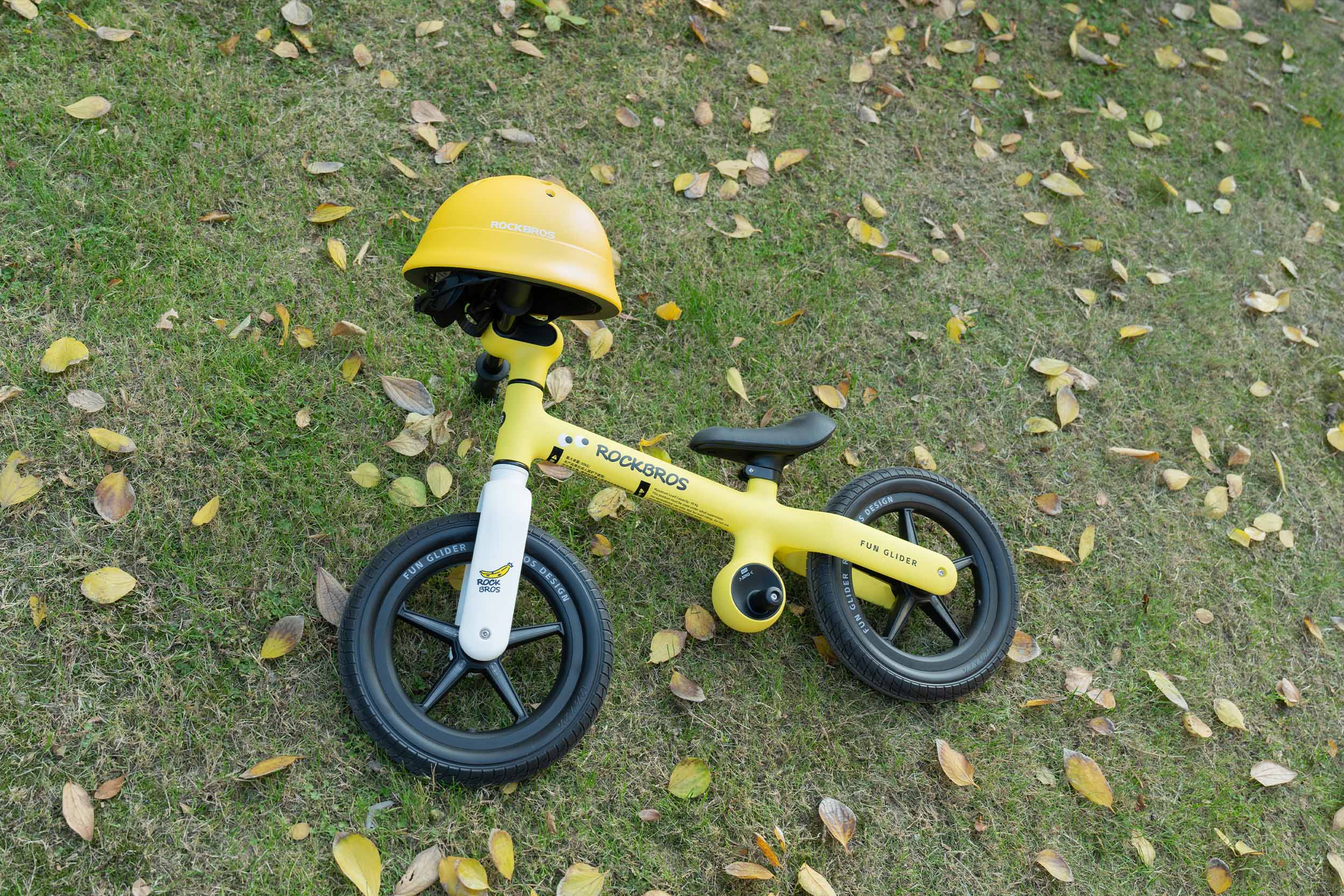
Start early, even on balance bikes
- Introduce helmet use when your child first rides a balance bike or tricycle.
- The earlier it becomes a default step, the more natural it feels later.
When wearing a helmet becomes a default habit, rather than a disputed requirement, the safety benefits go from occasional to continuous.
Conclusion
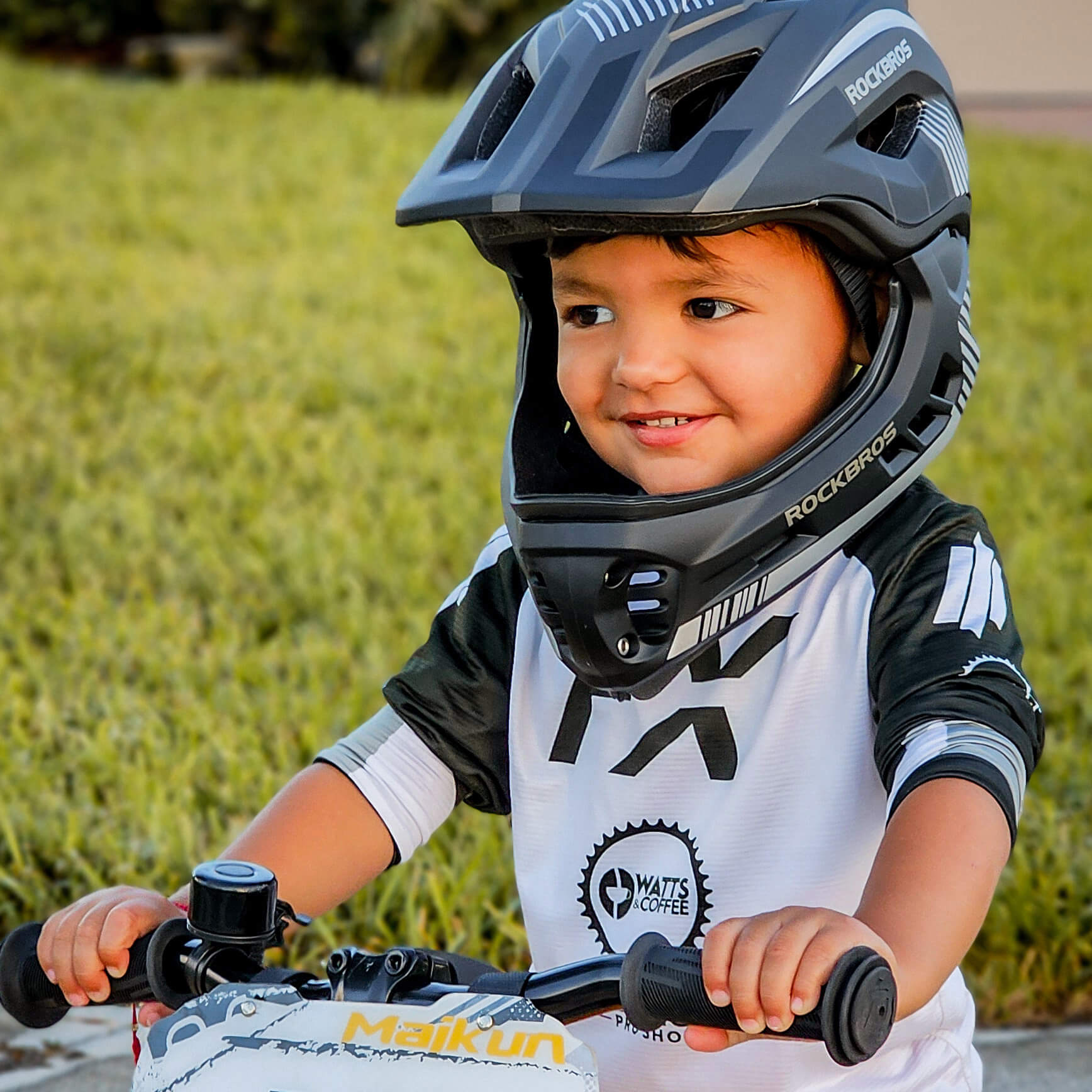
Keeping your child safe on every ride starts with choosing gear that’s properly designed, correctly fitted, and safety-certified. A well-built kids bike helmet does more than meet standards — it builds confidence for both young riders and parents. If you’re ready to upgrade your child’s riding protection, explore the latest certified and comfort-focused options in the ROCKBROS kids bike helmet collection, where safety, fit, and everyday usability are built into every design. Choosing the right helmet today makes every ride ahead safer and more enjoyable.
FAQ — Kids Bike Helmet Basics
- How do I choose the right kids' bike helmet size?
Measure your child’s head circumference just above the eyebrows and compare it with the size chart. A proper kids' bike helmet should sit level, feel snug, and stay in place when gently moved.
- What certification should a children’s bike helmet have in the U.S.?
In the U.S., a children’s bike helmet should meet CPSC certification standards. This means the helmet has passed impact and strap retention tests required for bicycle use.
- How tight should a child’s cycling helmet be?
The helmet should be snug but comfortable. The side straps should form a “V” under the ears, and only two fingers should fit between the chin and strap. If it shifts easily, tighten the fit system.
- When should a kid's cycling helmet be replaced?
Replace it after any crash, even if the damage is not visible. Without crashes, most helmets should be replaced every 3–5 years, or sooner if your child outgrows the fit.

Leave a comment
This site is protected by hCaptcha and the hCaptcha Privacy Policy and Terms of Service apply.