


Table of contents:
Winter riding isn’t just about enduring the cold—it’s about learning how to manage it. For many cyclists, cold hands are one of the first and most frustrating challenges when temperatures drop.
In cold, windy conditions, your hands are constantly exposed to airflow while staying relatively still on the handlebars. Once fingers start to go numb, braking and shifting become less precise, which can quickly turn discomfort into a safety concern. Knowing how to keep your hands warm is essential for riding confidently and comfortably through winter.
Why Hands Get Cold So Easily While Riding
Your hands are far from your core, and in cold weather the body naturally prioritizes keeping vital organs warm. On the bike, this effect is amplified by several factors:
-
Wind chill accelerates heat loss
As riding speed increases, moving air strips heat from the surface of your hands—even when temperatures don’t seem extreme. -
Moisture makes the cold worse
Hands can sweat while gripping the bars. When that moisture evaporates in cold air, it pulls heat away and makes fingers feel even colder. -
Limited movement reduces circulation
Holding the handlebars for long periods restricts blood flow, especially to the fingers, making it harder for your body to keep them warm.
Understanding these factors helps explain why hand warmth is often the first thing to fail in cold conditions.
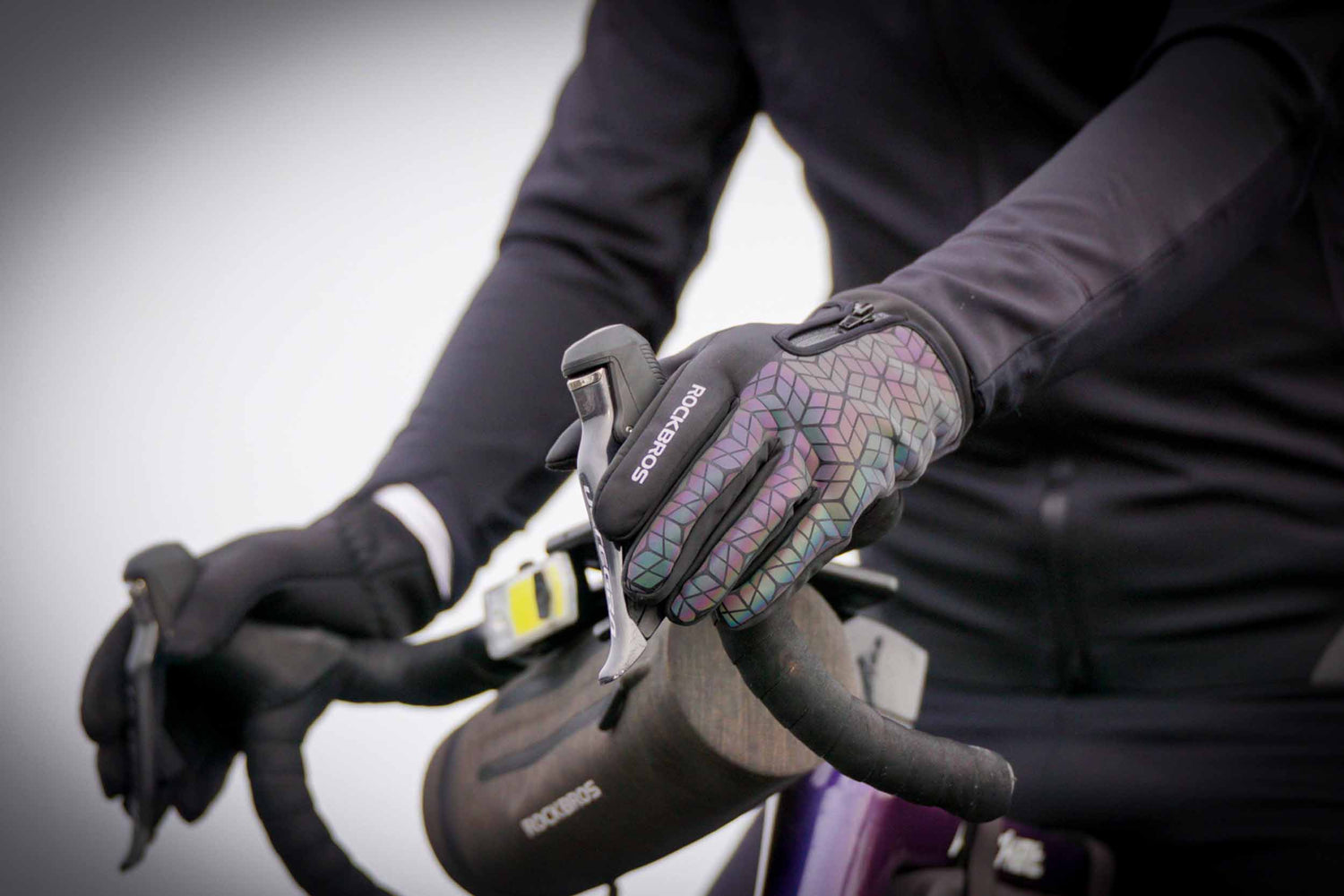
Still feeling cold? Choosing the right pair of winter cycling gloves can make a noticeable difference. Well-designed gloves help block cold airflow while maintaining grip, control, and dexterity—key elements for safe riding in low temperatures.
Choosing the Right Cycling Gloves: Warmth Without Bulk
When it comes to winter riding, gloves are one of the most important pieces of gear—but warmer doesn’t always mean thicker.
An effective cold-weather cycling glove should balance:
- Wind protection and light weather resistance to block cold air
- Breathability to prevent sweat buildup
- Dexterity for confident braking and shifting
- Proper fit—too tight restricts circulation, too loose reduces control
In truly cold conditions, especially below freezing, some riders opt for bar mitts (also known as pogies). These create a protected pocket of warm air around your hands and are especially popular in colder regions of North.

Small Details That Make a Big Difference
Beyond gloves themselves, a few simple adjustments can significantly improve hand comfort:
- Seal the gaps by overlapping jacket sleeves over glove cuffs
- Use hand warmers strategically in extreme cold, avoiding direct skin contact
- Stay dry—moisture management is one of the most overlooked aspects of winter cycling accessories
Pre-Ride and On-Bike Strategies That Matter
Keeping your hands warm starts before you even roll out.
-
Warm up before riding
Light movement or stretching helps activate circulation and prepares your body to generate heat once you start pedaling. -
Protect your core first
If your torso isn’t warm enough, your body will reduce blood flow to your hands and feet. A windproof, insulated outer layer can make a noticeable difference in hand warmth. -
Manage effort levels
Starting too hard can cause excessive sweating, which often leads to feeling colder later in the ride. Controlled pacing helps maintain a more stable body temperature. -
Fuel and Hydration
Adequate food and water are essential during winter rides, as your body still needs steady energy to generate heat. Warm fluids are easier to drink in cold conditions, and using insulated water bottles filled with warm water or an electrolyte drink helps maintain hydration and body temperature throughout the ride.
Managing Sweat and Moisture in Cold Weather
Sweating in winter is inevitable—the key is controlling it:
Choose moisture-wicking glove liners or inner materials
Avoid removing gloves frequently in cold wind
On longer or colder rides, carrying a spare dry pair of gloves or liners can be a game changer
Balancing Warmth, Control, and Safety
Overly bulky gloves can reduce braking and shifting precision, especially on technical roads or in traffic. The goal is to stay warm without sacrificing control.
With shorter daylight hours in winter, gloves with reflective details or high-visibility accents can also improve visibility—an important consideration when selecting winter cycling gear for road or commuter riding.

Final Thoughts: Finding Your Winter Riding Balance
Cold-weather riding doesn’t have to be uncomfortable—or unsafe. By understanding how heat is lost, choosing the right gear, and managing moisture and effort, you can stay comfortable and in control even in low temperatures.
Every rider’s tolerance is different, but with the right approach—and the right equipment—winter becomes just another season to ride, not a reason to stop.

Leave a comment
This site is protected by hCaptcha and the hCaptcha Privacy Policy and Terms of Service apply.