


Jump to Directory:
Cold morning rides are a common challenge for cyclists across North America, especially in late winter and early spring. Temperatures often start in the low 40s to 50s°F, then rise quickly as the sun comes up or your heart rate increases.
For many riders, the hardest part isn’t staying warm—it’s avoiding that “steamy, overheated” feeling midway through the ride. Learning how to manage body temperature is essential for adapting to changing conditions and staying comfortable, safe, and consistent on the bike.
Why Cold Morning Rides Are Harder Than They Appear
At the start of a ride, your body hasn’t generated enough heat yet. Blood circulation in the hands and feet is slower, and exposed skin feels colder due to wind chill. This often leads riders to overdress before heading out.
The problem is that once your core temperature rises, excess insulation traps heat and moisture. Sweat begins to build up, ventilation drops, and discomfort quickly follows. In cold conditions, that trapped moisture can actually make you feel colder later in the ride. The goal of cold morning riding isn’t maximum warmth—it’s controlled temperature management.

Start Cool, Not Warm
One of the most common mistakes beginners make is dressing based on how cold it feels while standing in the driveway.
A widely used guideline among experienced riders is the “20-degree rule.” When choosing Cycling Apparel, plan as if the temperature is about 20°F warmer than what the thermometer shows.
During the first 10–15 minutes of the ride, you should feel slightly cool. As your larger muscle groups warm up and your heart rate rises, that initial chill fades, leaving you in a comfortable, balanced state—rather than overheating and sweating too early.
Why Breathability Matters More Than Warmth
In cold conditions, moisture is often a cyclist’s biggest enemy. When you overdress, sweat quickly saturates your base layers. Once you hit a descent or encounter wind, that trapped moisture can pull heat away from your core, leaving you feeling chilled despite wearing heavy clothing.
In cold conditions, moisture is often a cyclist’s biggest enemy. When you overdress, sweat quickly saturates your layers. Once you hit a descent or encounter wind, that trapped moisture can pull heat away from your core.
Instead of relying on thick, bulky fabrics, prioritize a high-performance Cycling Base Layer. A quality base layer acts as your personal thermostat, moving sweat away from your skin before it cools.
Fabric Choice: Materials like synthetic blends or [Merino Wool] help wick sweat efficiently.
Mechanical Ventilation: Choose jerseys with full-length zippers to manually release heat during steep climbs.
Protect Your Extremities—Without Bulking Up
Because your body prioritizes blood flow to the core, your hands and feet are usually the first to feel the cold on early morning rides. Exposure to wind only amplifies this effect, even when temperatures aren’t especially low.
Choosing the Right Cycling Gloves
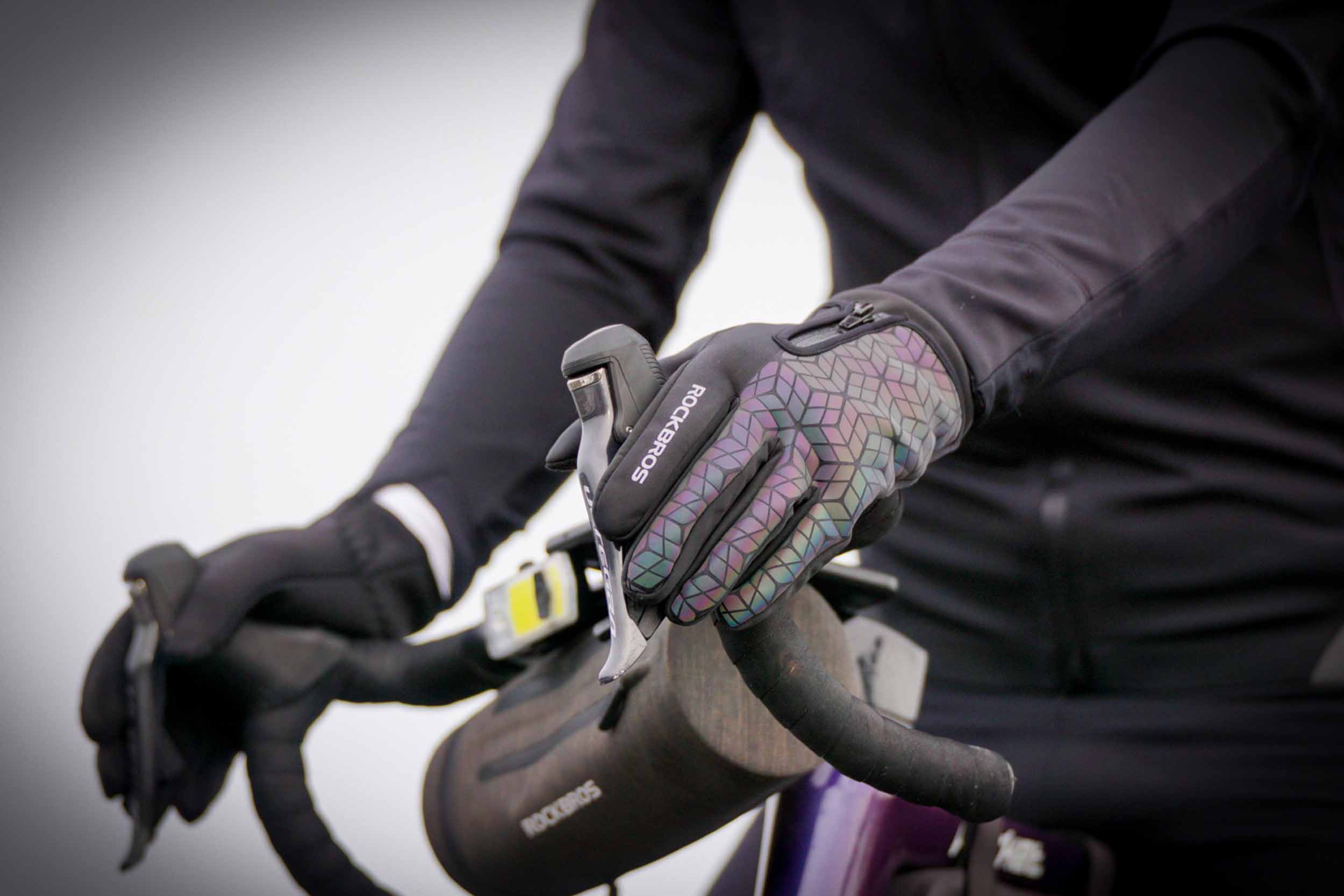
Cold hands can quickly make braking and shifting feel unsafe. However, on mornings around 50°F (10°C), thick winter gloves are often unnecessary and can lead to overheating once your effort increases.
A better option is a mid-weight, wind-resistant pair of cycling gloves. Look for designs that block wind on the back of the hand while allowing heat to escape through the palm. This balance helps keep your hands warm enough for control without trapping excess heat as conditions change.
The Importance of Eye Protection on Cold Morning Rides
Many cyclists underestimate how much cold air and low-angle sunlight affect the eyes during early starts. Wind exposure can cause excessive tearing, while glare makes it harder to notice road hazards or surface changes—both of which increase fatigue and reduce awareness.

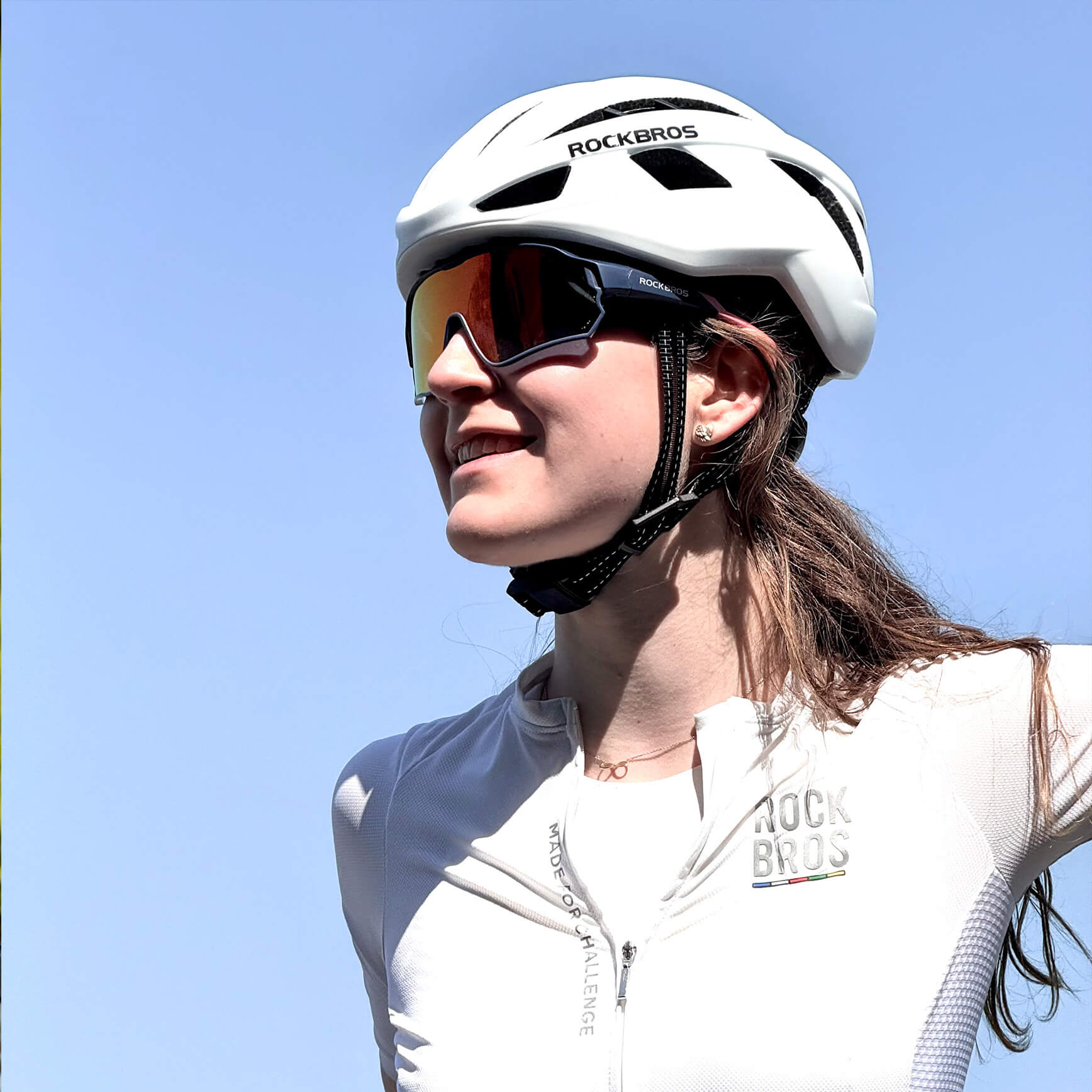
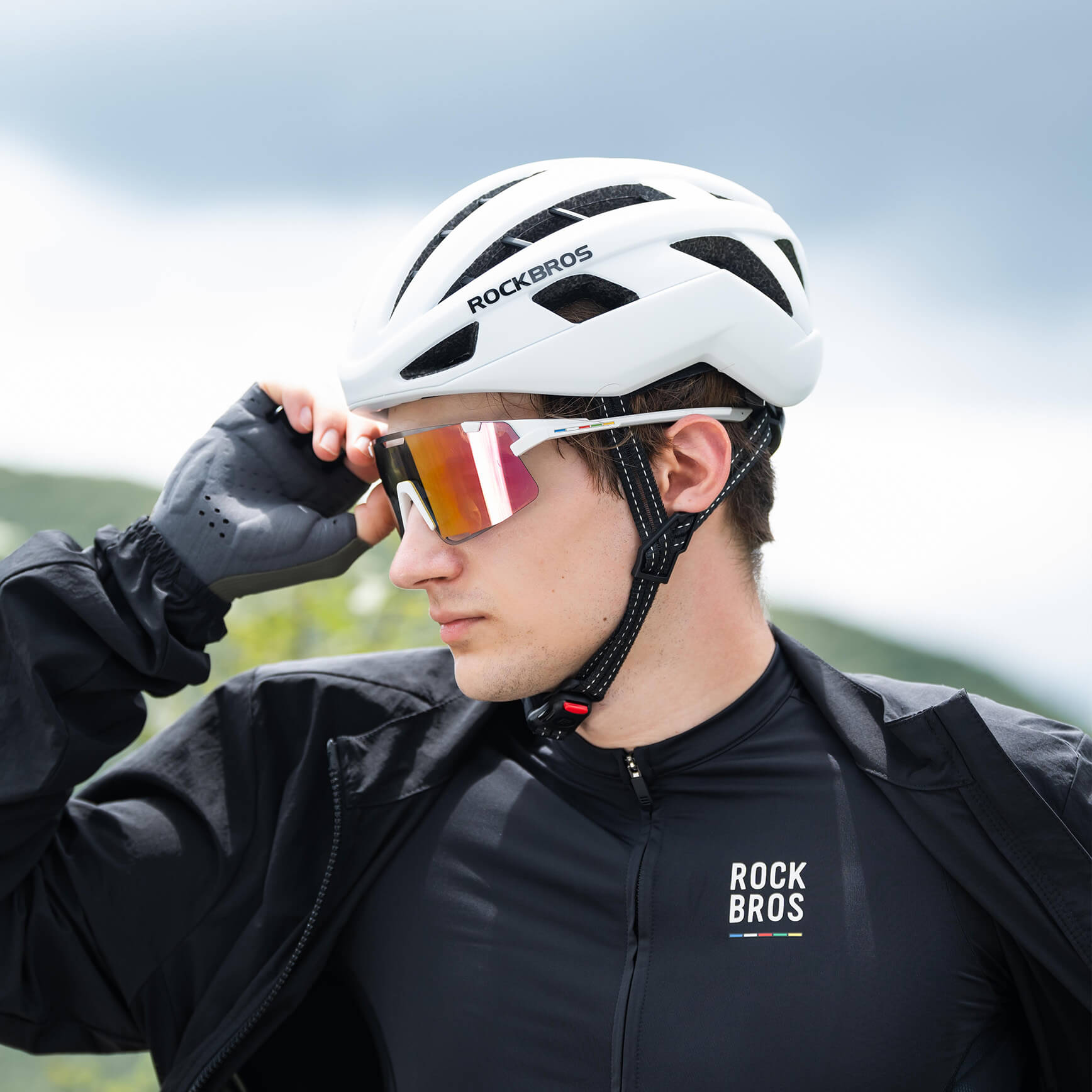
Clear or photochromic cycling sunglasses work especially well for cold morning rides. They protect the eyes from wind while maintaining visibility in low-light conditions. Choosing sunglasses with anti-fog designs is particularly useful, as temperature differences between your face and the surrounding air can easily cause lenses to fog during steady efforts or brief stops.
For a more complete guide to winter cycling gear that helps you stay comfortable in cold conditions, check out our accessory recommendations:
👉 What Are the Best Winter Cycling Accessories for Cold Weather
Adjust Your Layers Based on Ride Duration
Your clothing strategy should change depending on how long you plan to ride.
| Ride Duration | Primary Strategy | Key Recommended Gear |
| Short (<45 mins) | Retain initial heat | Thermal Jersey, Mid-weight Gloves |
| Medium (1-2 hrs) | Balanced versatility | Cycling Vest (Gilet), Arm Warmers |
| Long (2+ hrs) | Max moisture wicking | Base Layer, Packable Shell |
As temperatures rise, removable layers like Arm Warmers or lightweight vests that can be easily stowed in jersey pockets allow you to adapt without stopping.
Don’t Wait Until It’s Too Late
One of the biggest mistakes riders make is waiting until they’re already sweating heavily to adjust their layers.
Take a proactive approach. If you know a long climb is coming, unzip your vest or jersey before the effort begins. Managing heat early helps prevent moisture from building up against the skin.
Maintaining a dry microclimate is one of the most effective ways to stay warm and comfortable throughout the entire ride.
Quick Checklist for Your Next Cold Morning:
- 🔲The 20-Degree Test: Do I feel slightly cool standing still?
- 🔲Zippers Check: Is my outer layer easy to unzip with gloves on?
- 🔲Storage Check: Do I have pocket space for shed layers (arm warmers/vests)?
- 🔲Visibility Check: Are my lenses appropriate for low-angle morning sun?
Conclusion: Ride Smarter in Cold Morning Conditions
Cold morning rides don’t have to be a guessing game. By prioritizing breathability, following the 20-degree rule, and protecting key areas like your hands and eyes, you can enjoy crisp air and quiet roads without the discomfort that comes from overheating.
Don't let the cold hold you back. Shop our Winter Cycling Gear and see the gear experienced riders trust for those unpredictable early morning starts.

Leave a comment
This site is protected by hCaptcha and the hCaptcha Privacy Policy and Terms of Service apply.