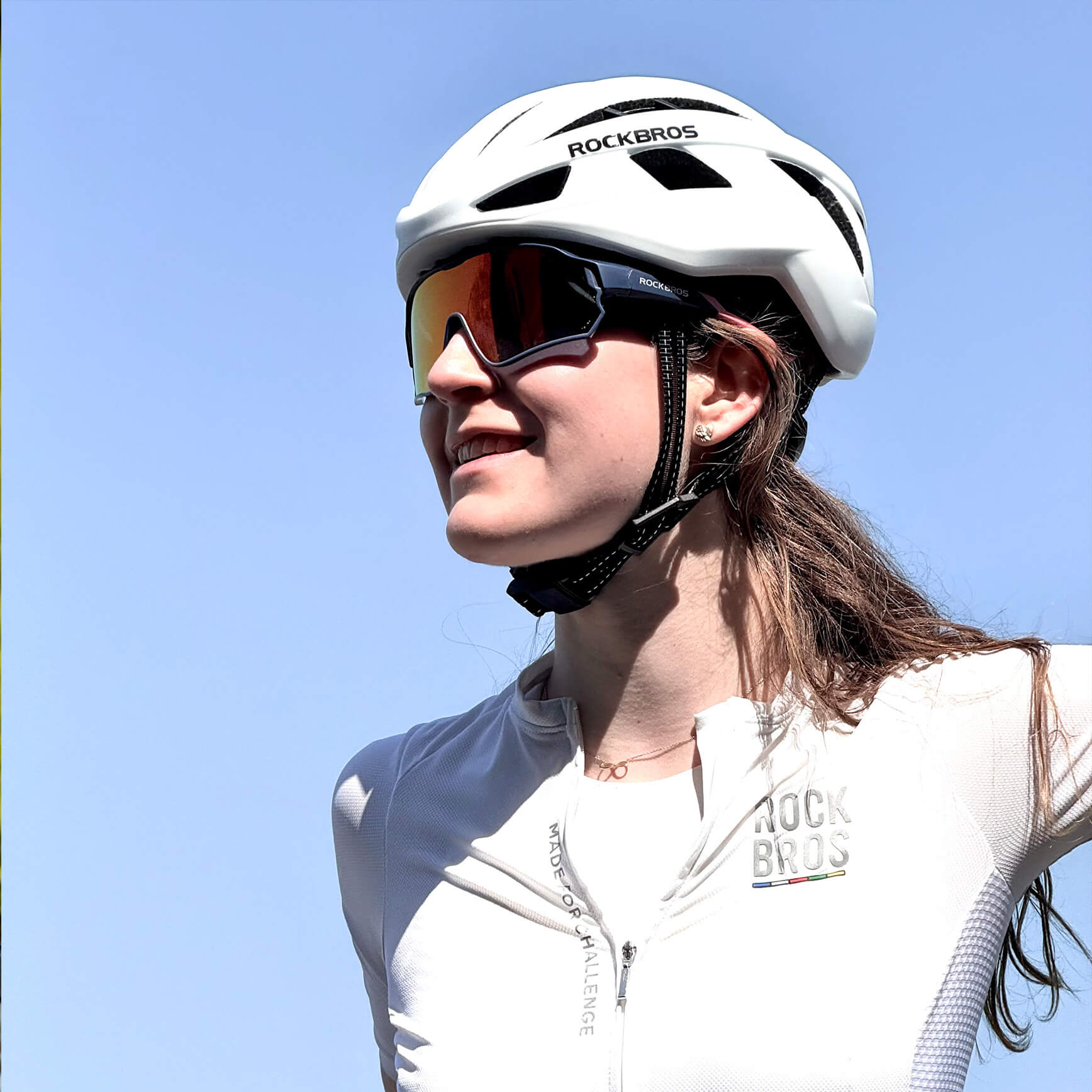
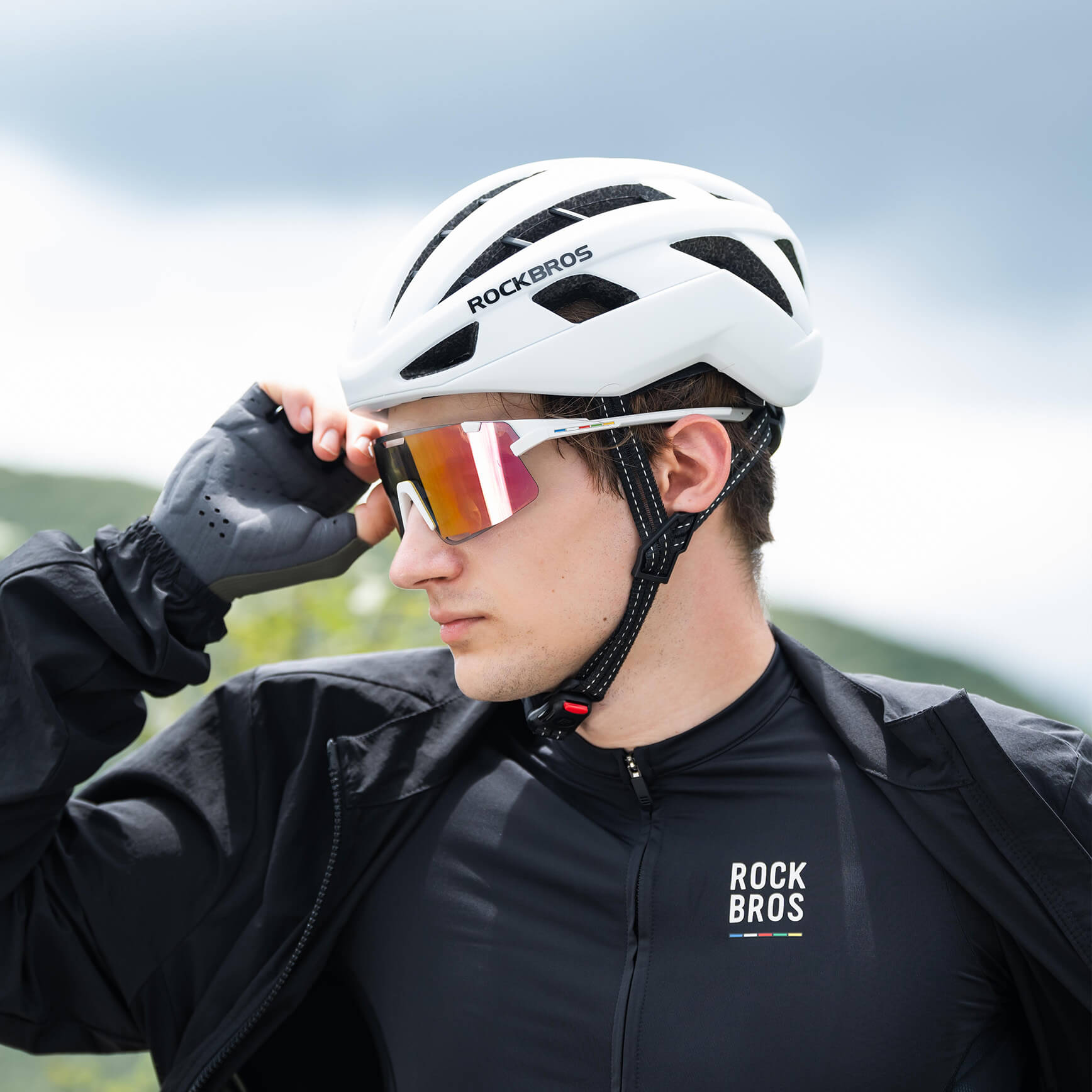
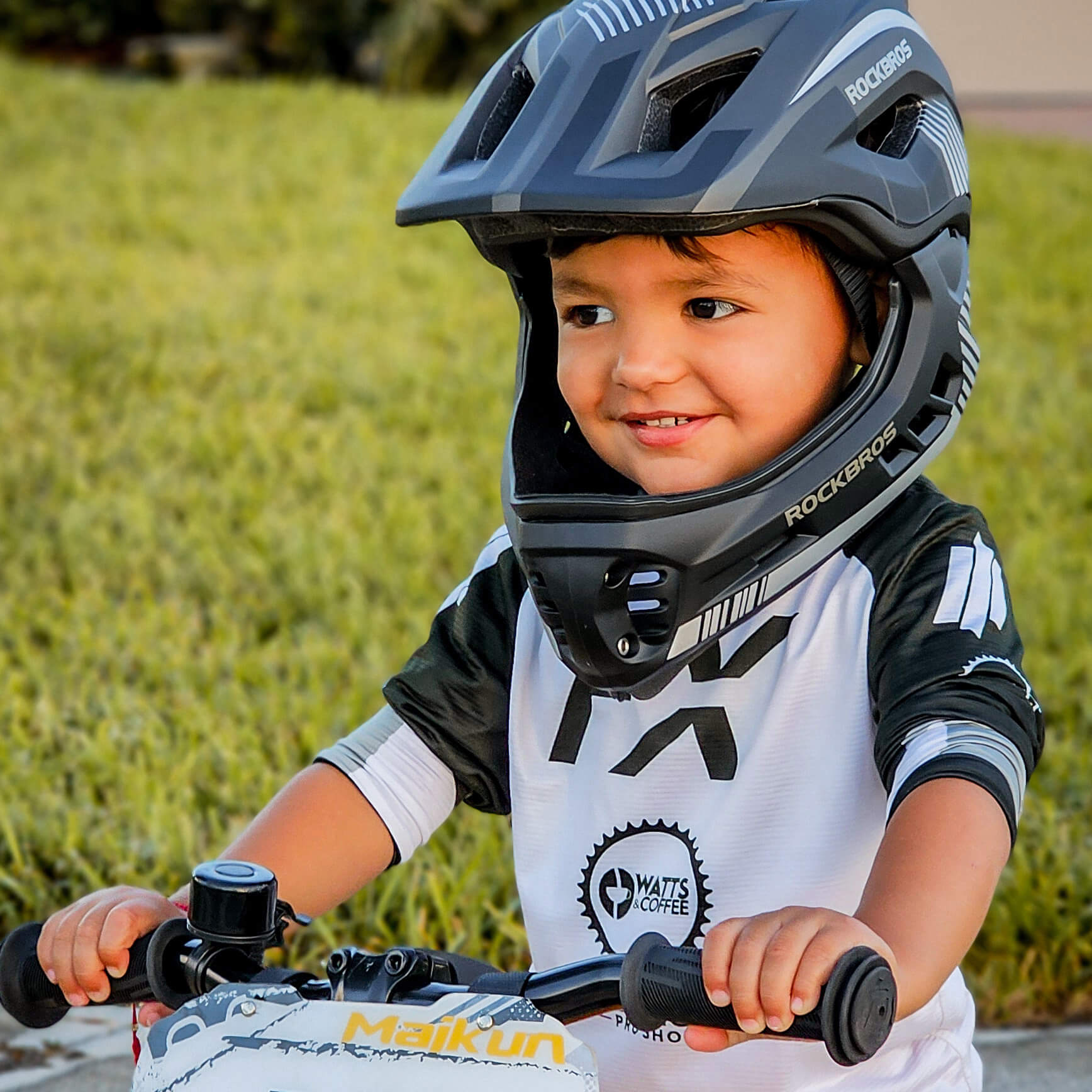
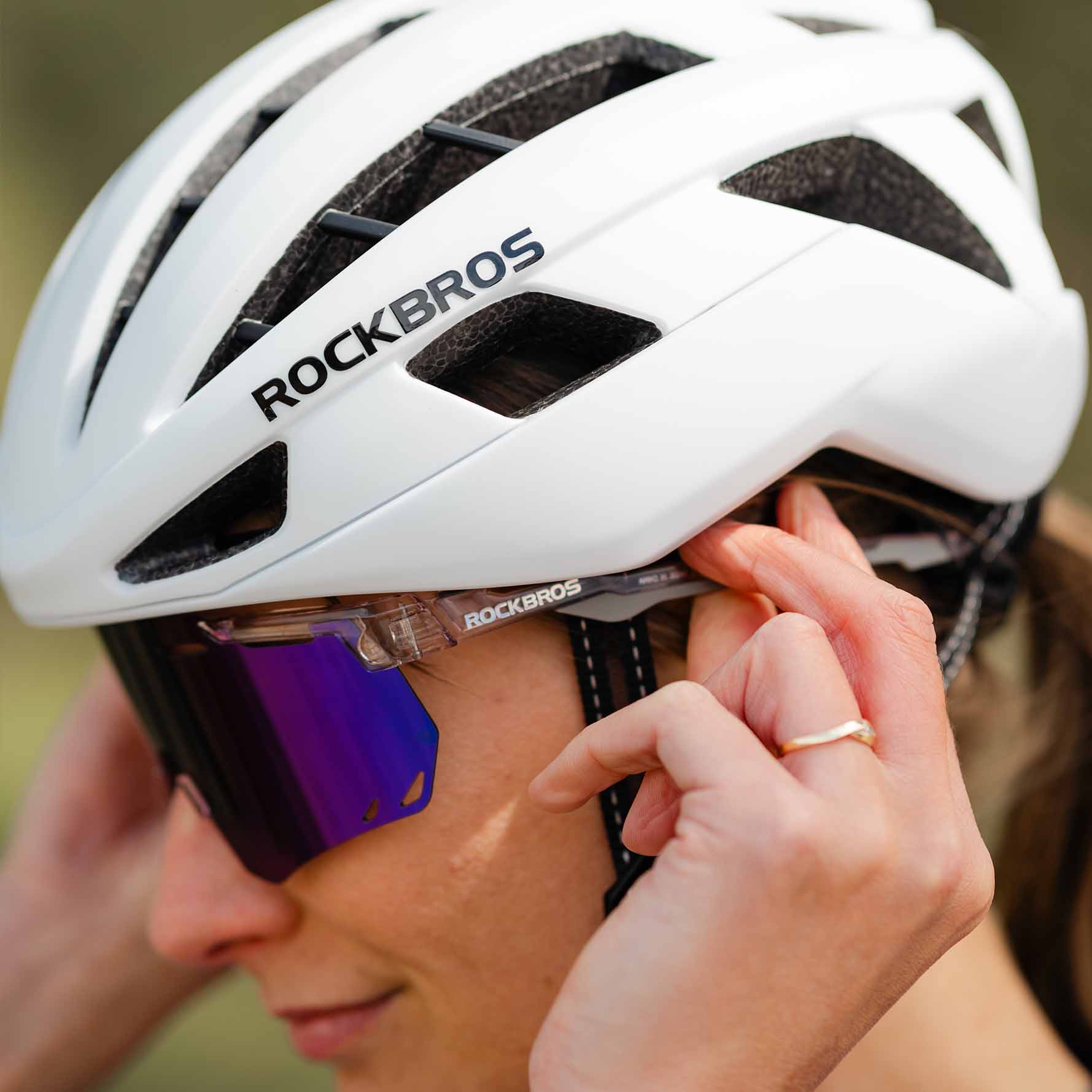
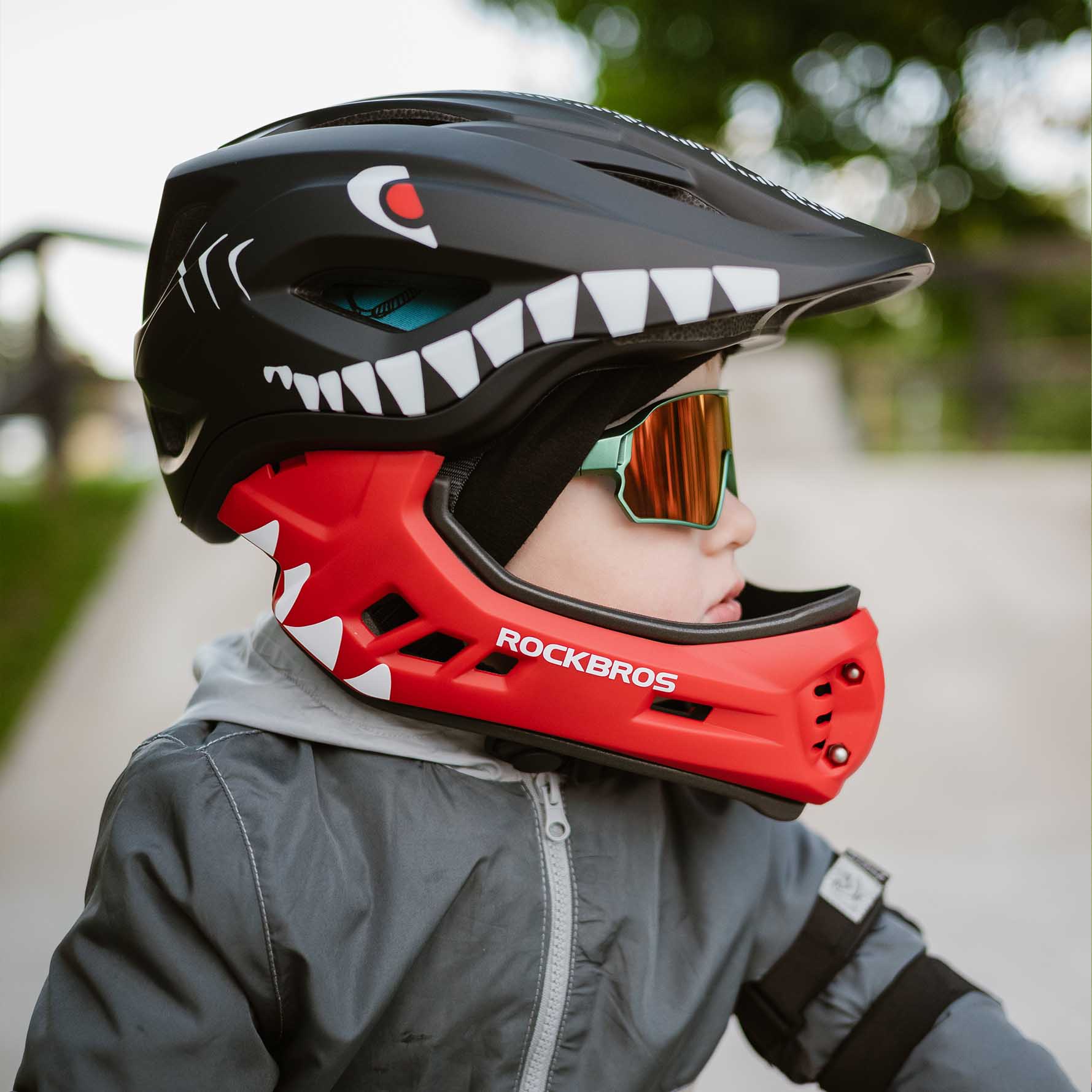
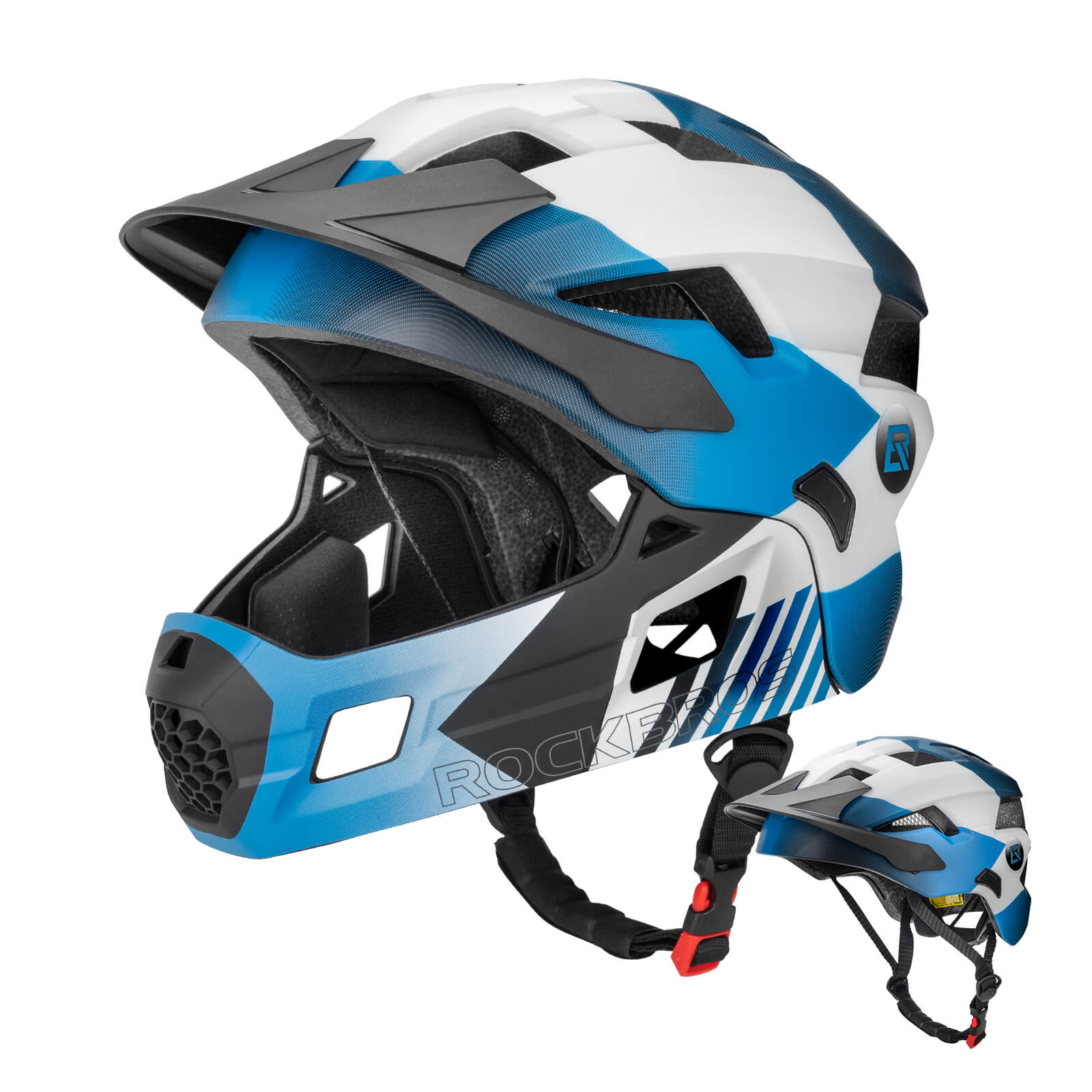
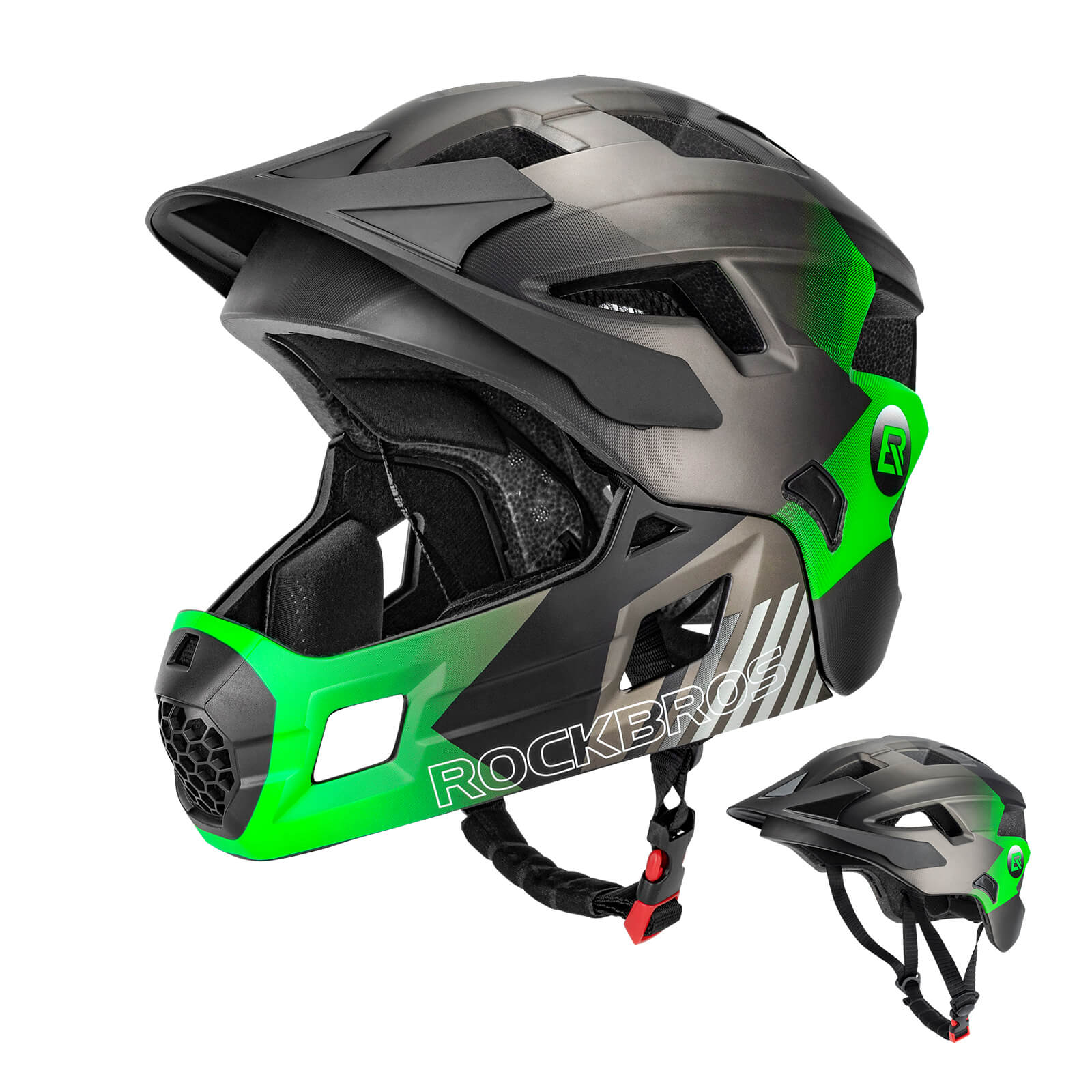
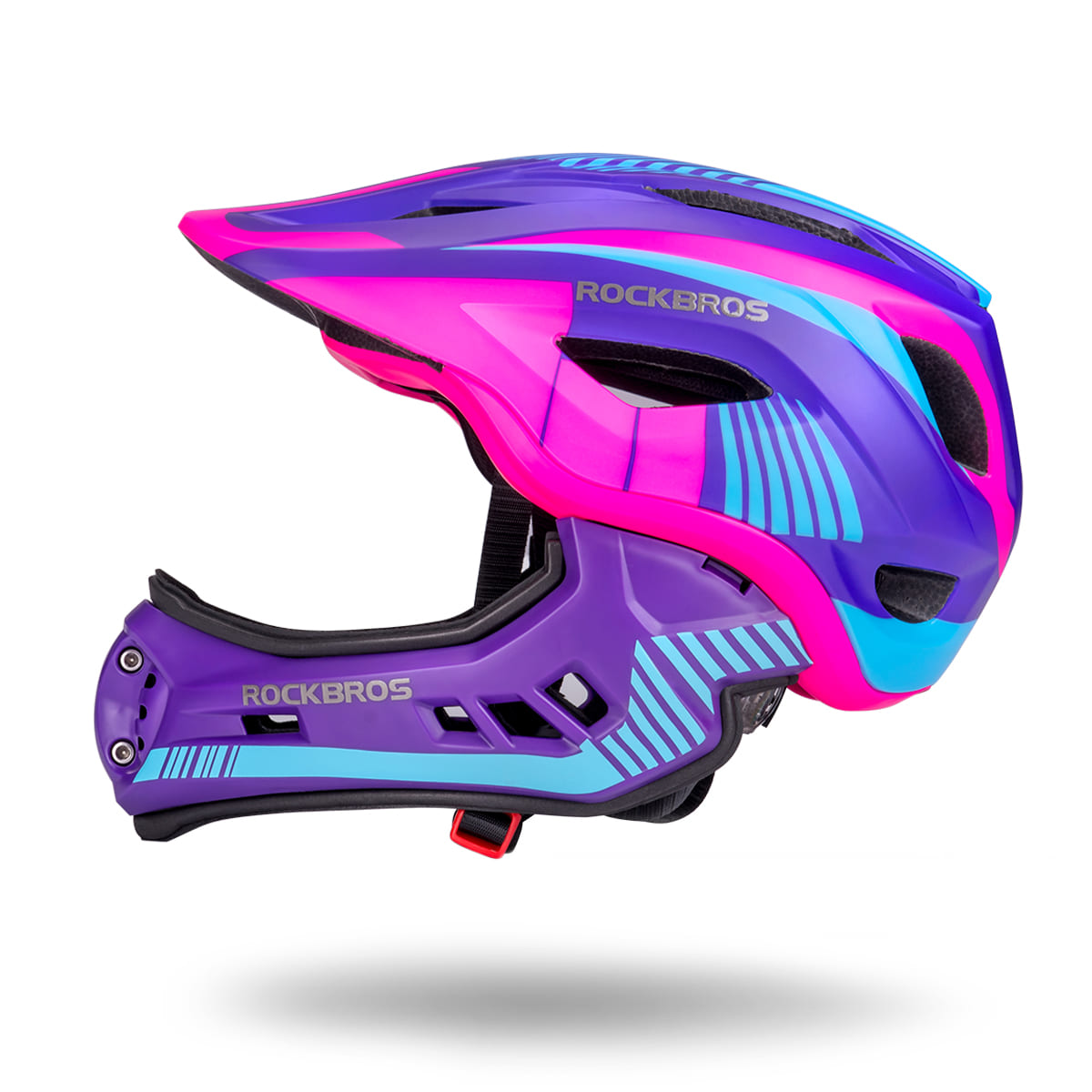
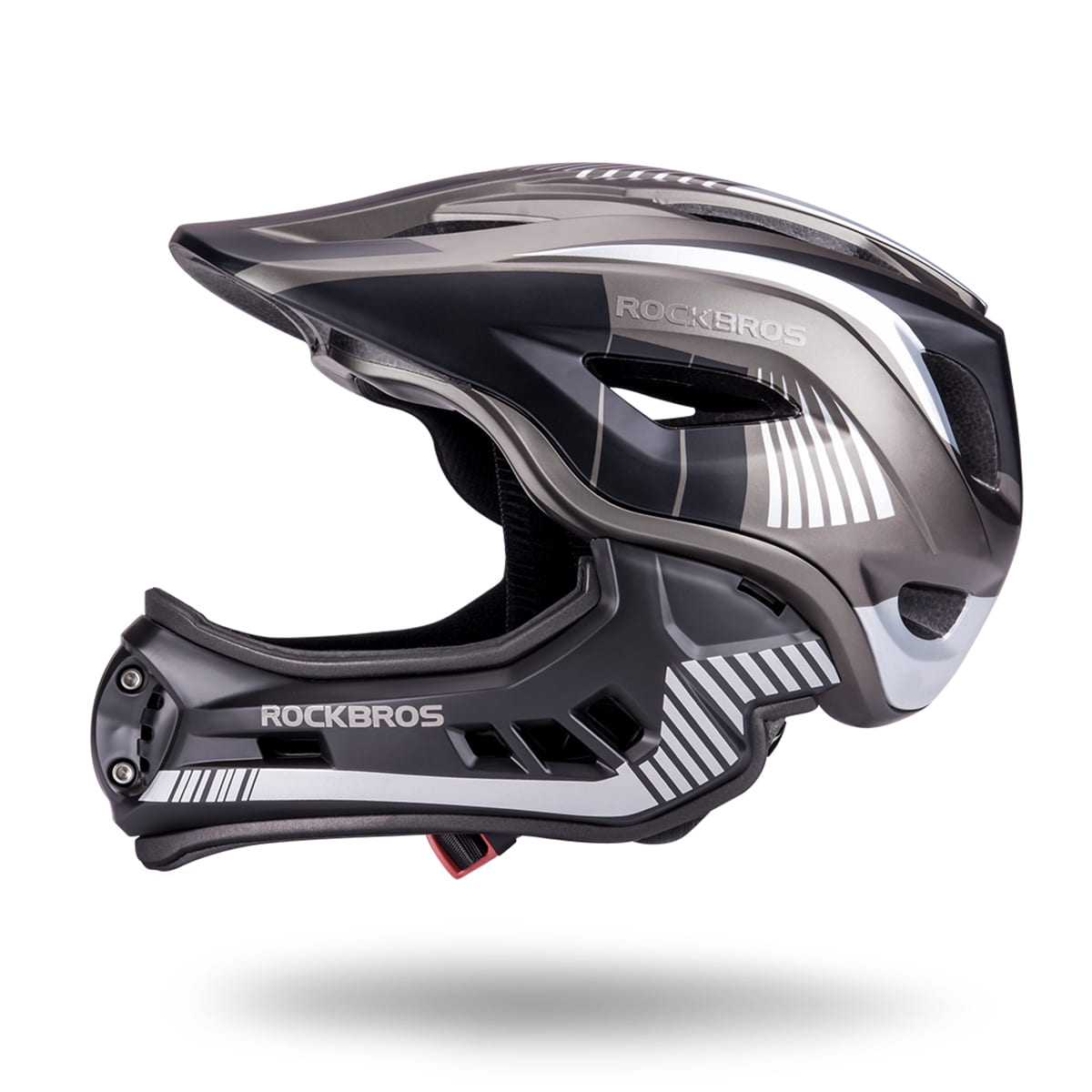
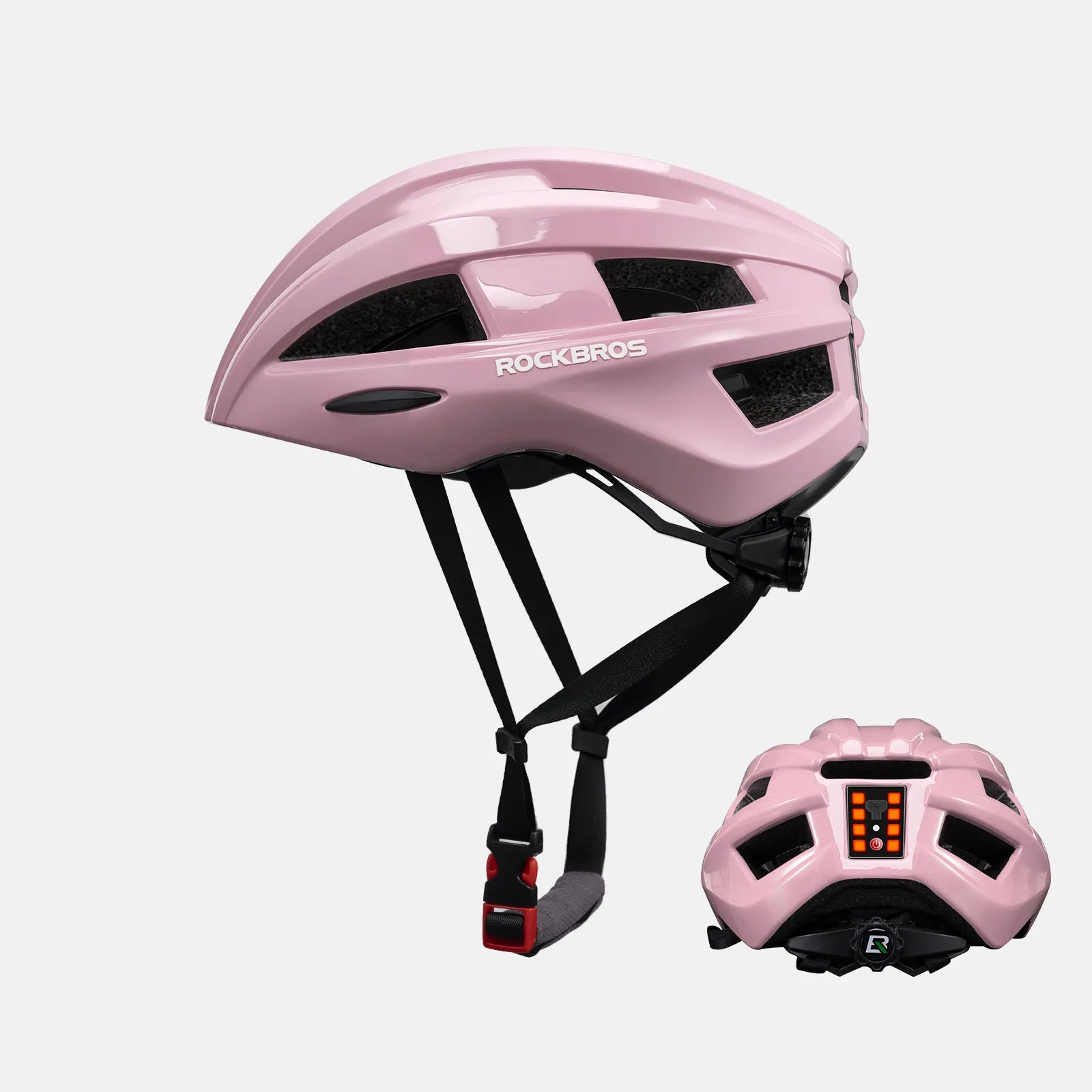
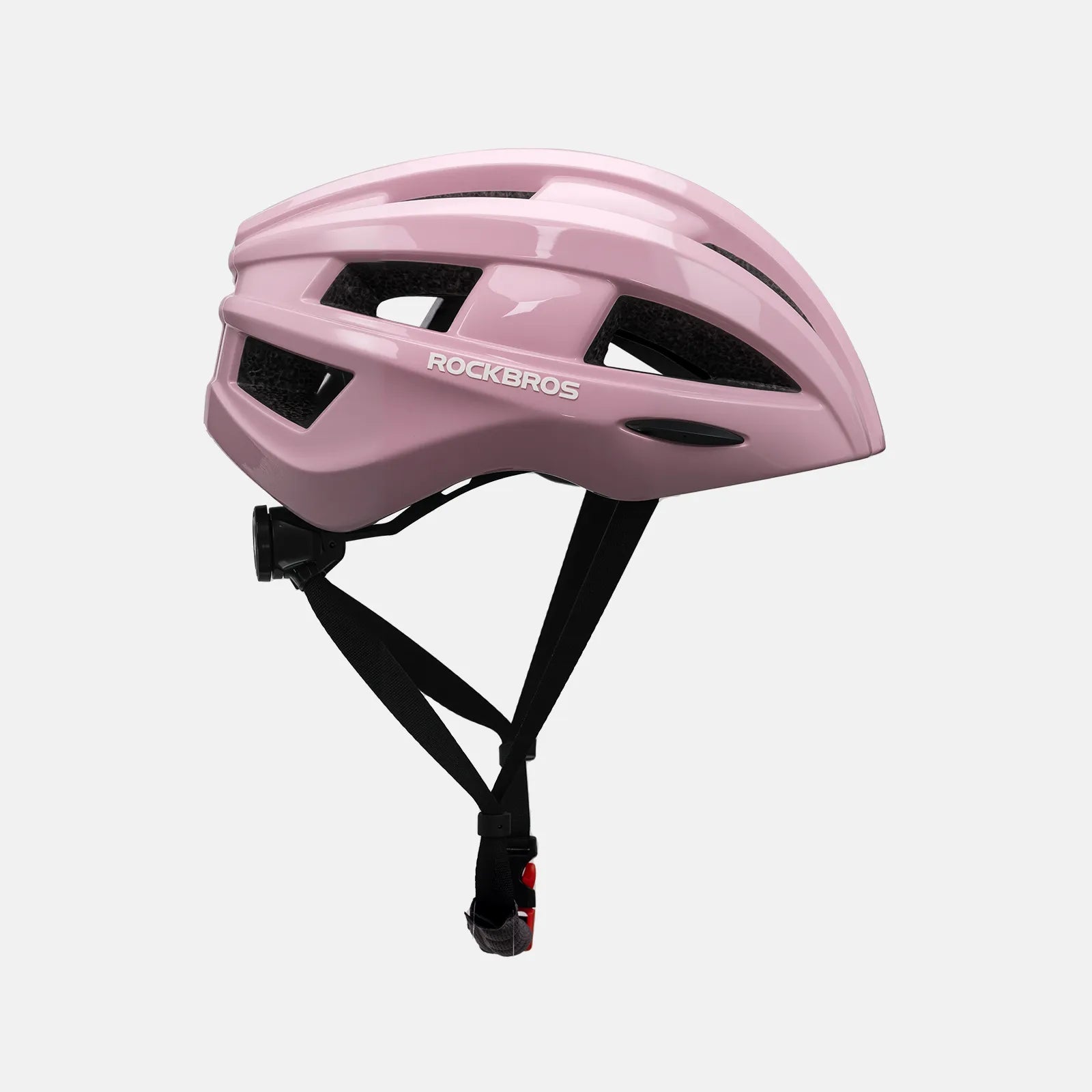
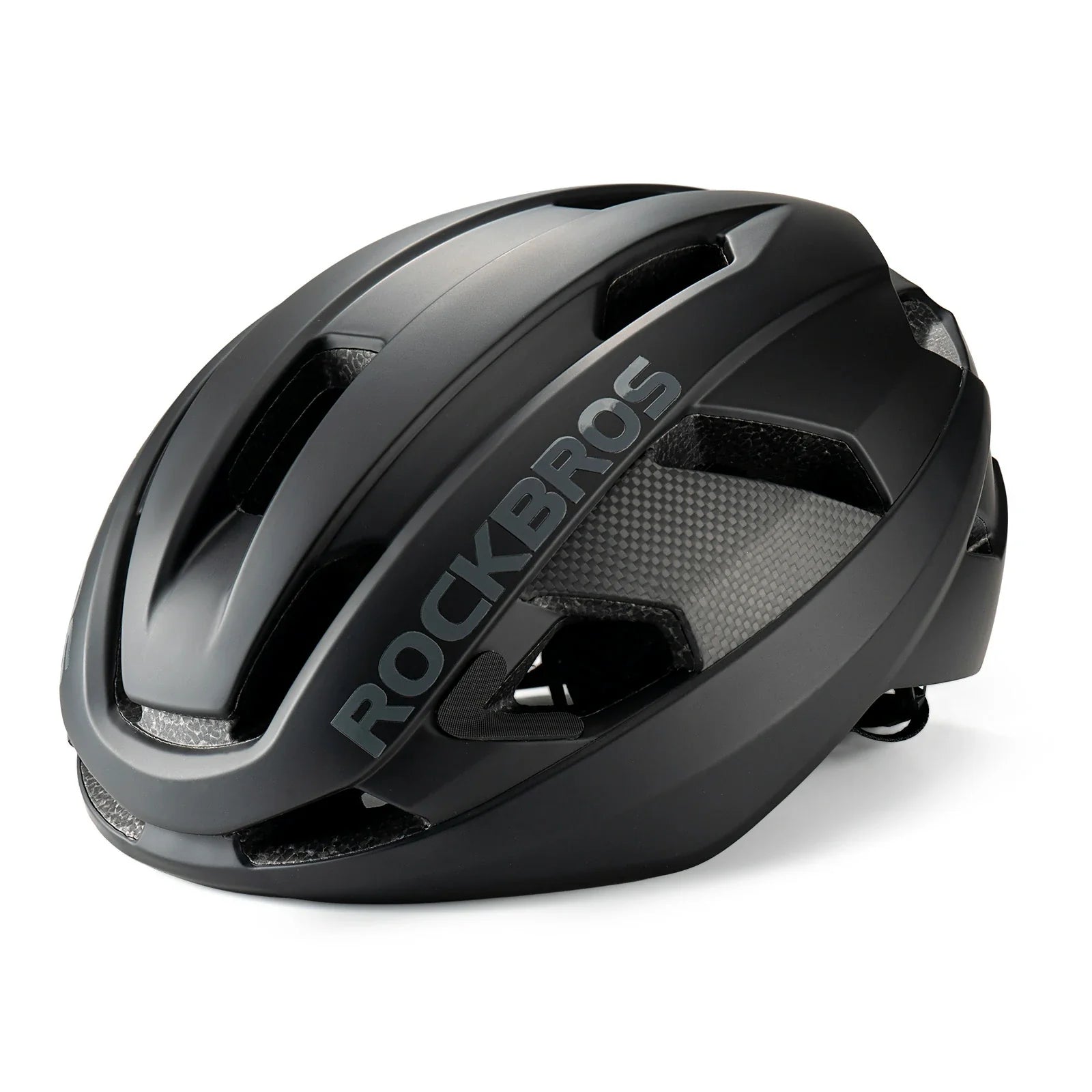
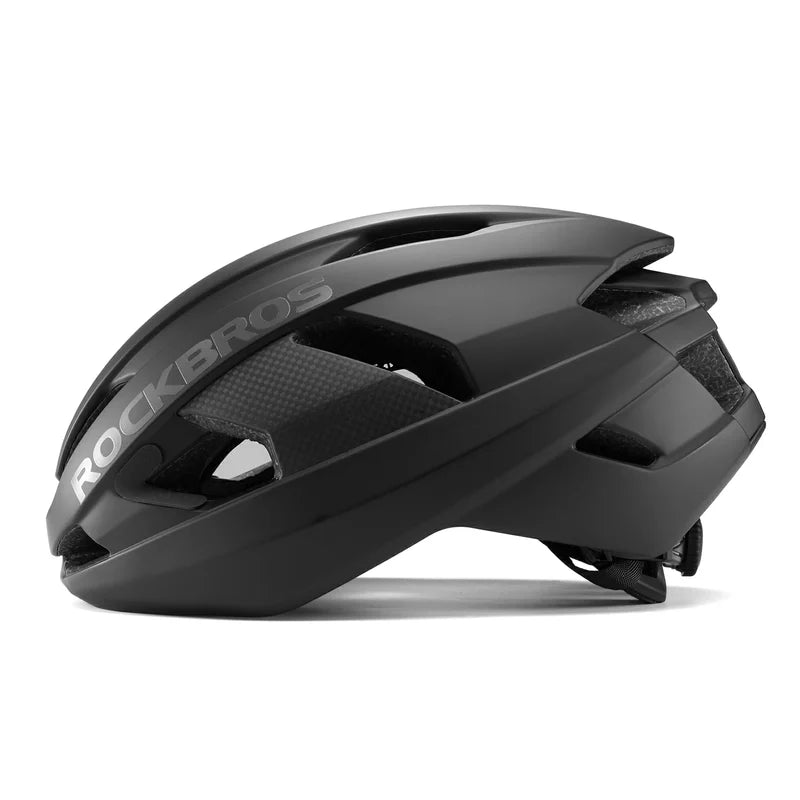
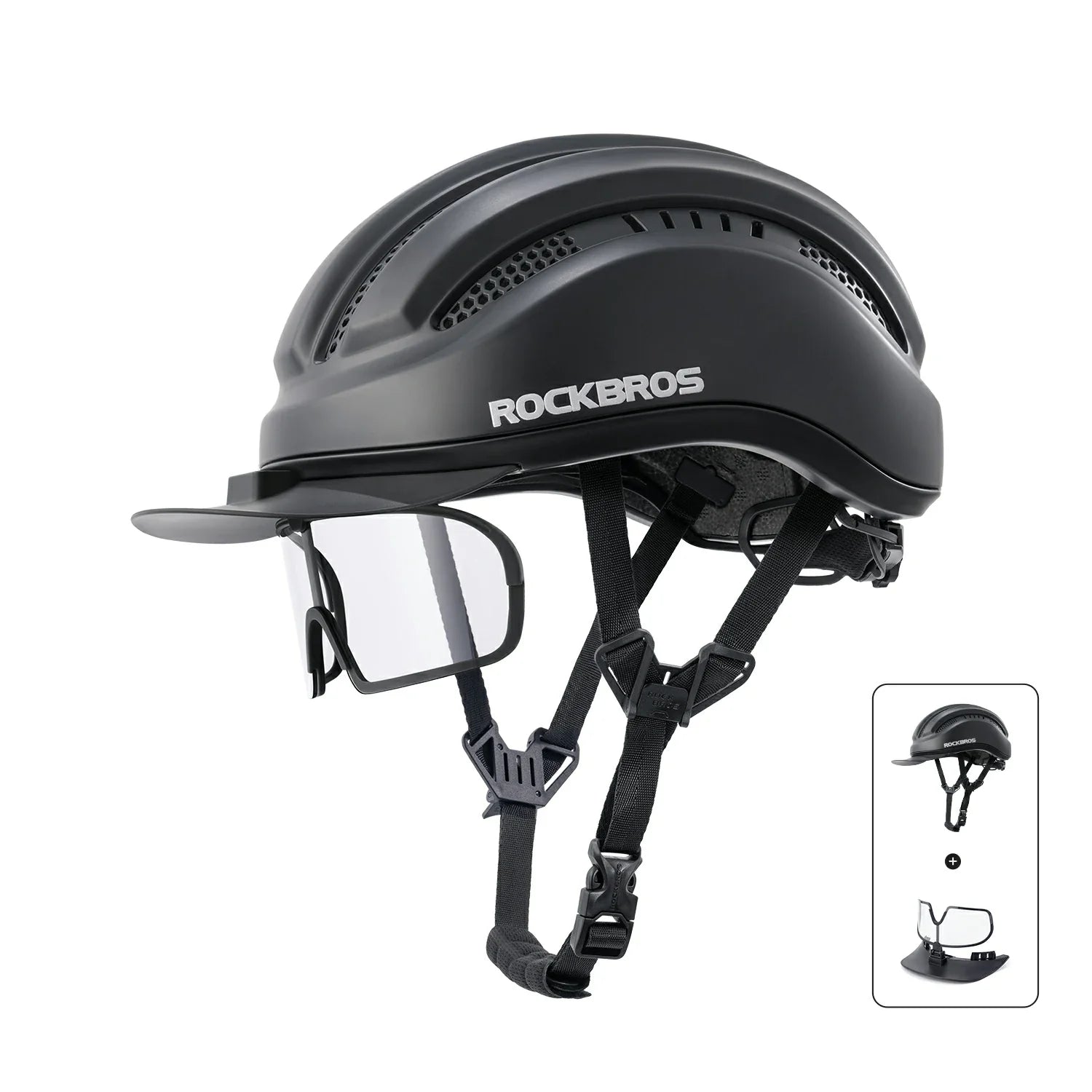
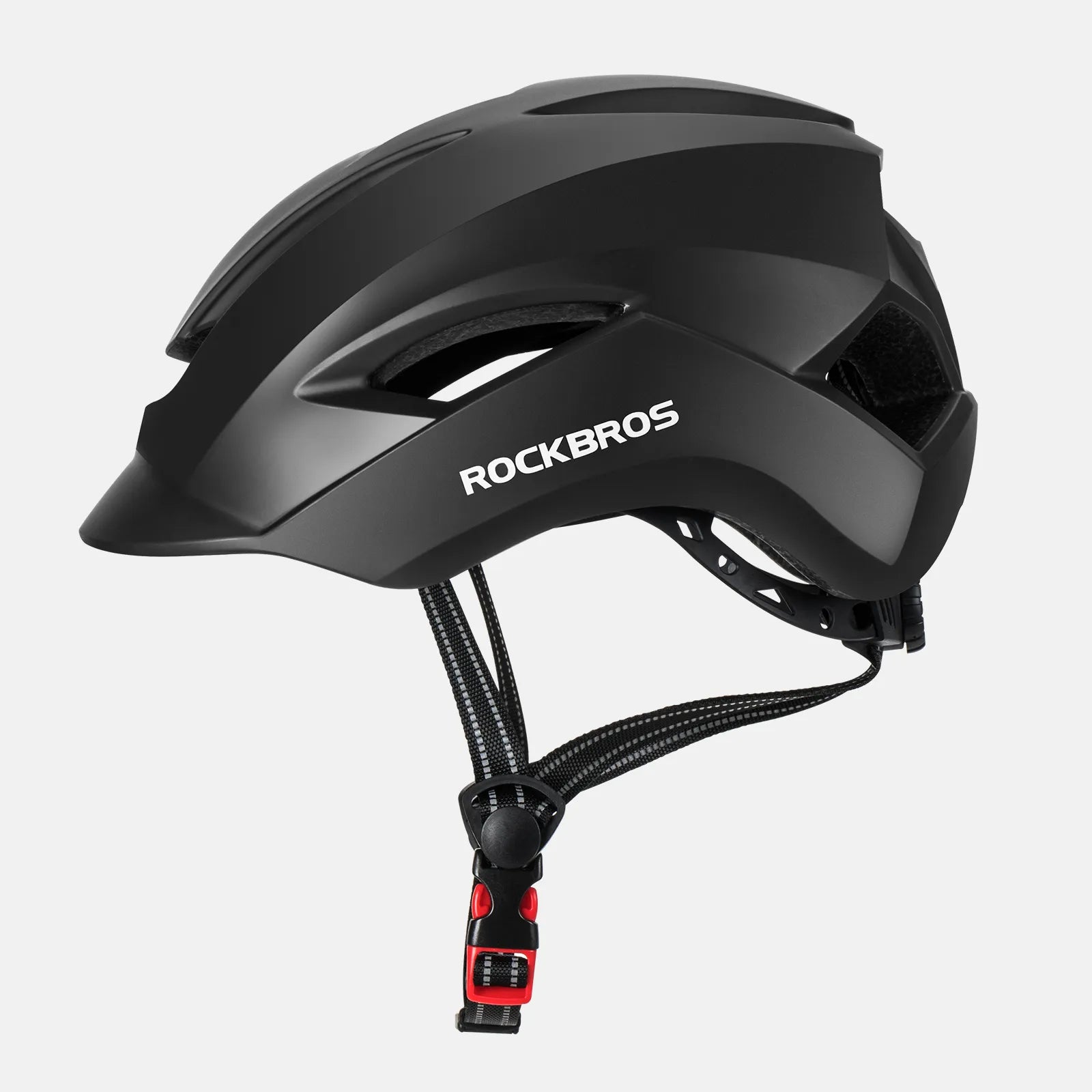
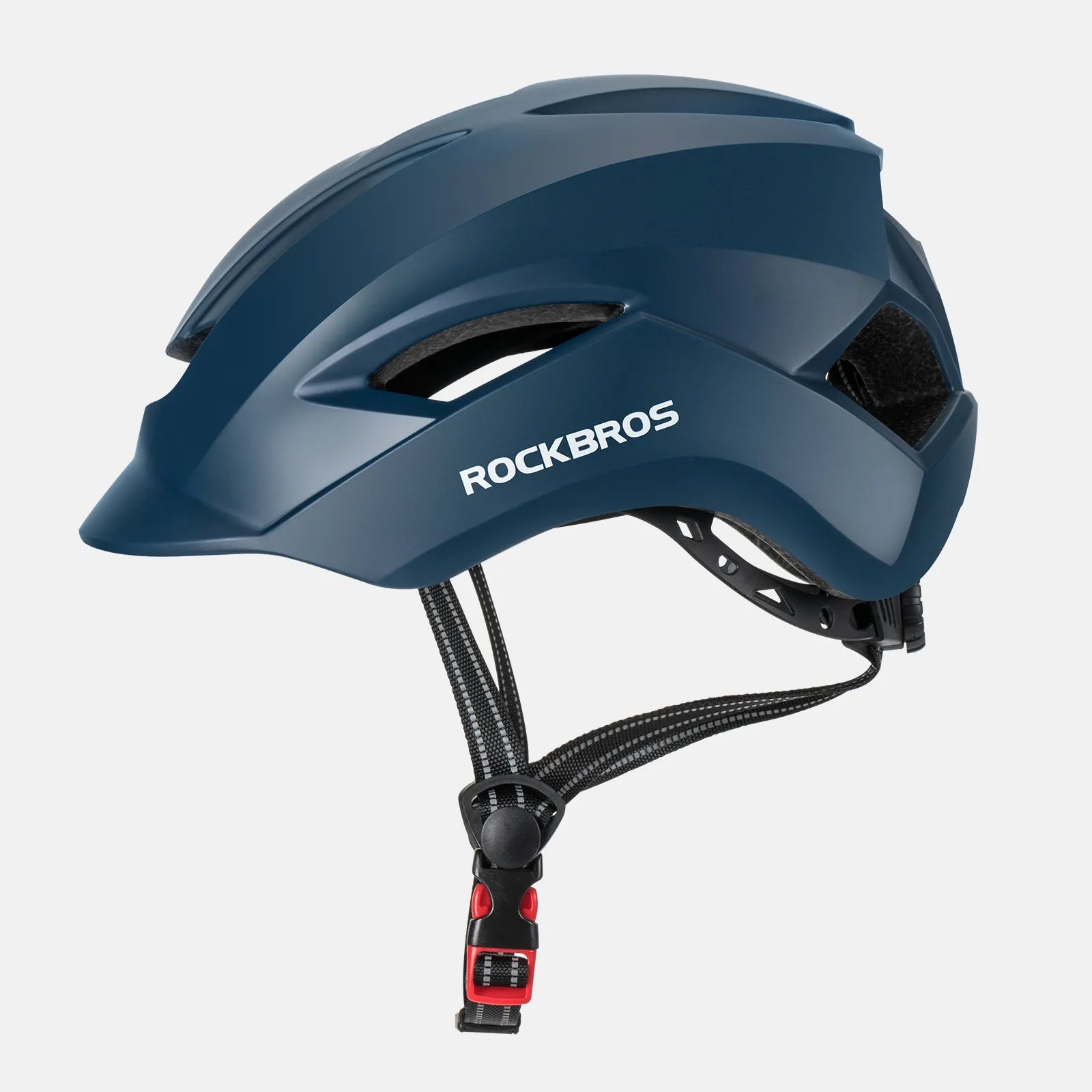
Find a bike helmet that fits your ride, whether you’re commuting through the city, riding road miles, exploring MTB trails, or choosing protection for a young rider. ROCKBROS bike helmets include lightweight everyday designs, full-face kids’ helmets, models with integrated LED lights, and adjustable helmets with visors or goggles.
Start with the right fit, then compare ventilation, coverage, weight, visibility features, and riding style. Explore our adult and kids’ bike helmets below to find the right combination of comfort, protection, and everyday usability.
Filters
20 products

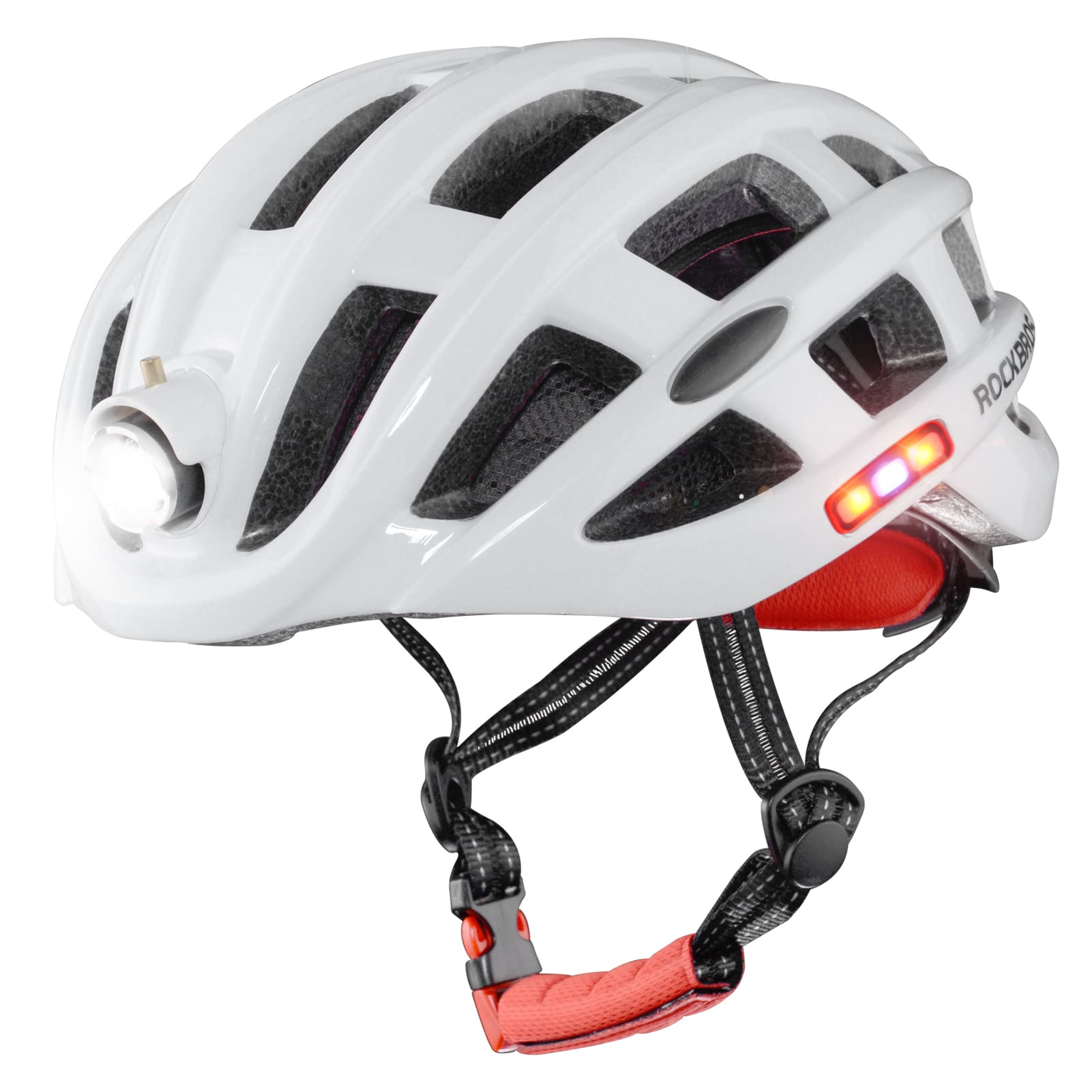
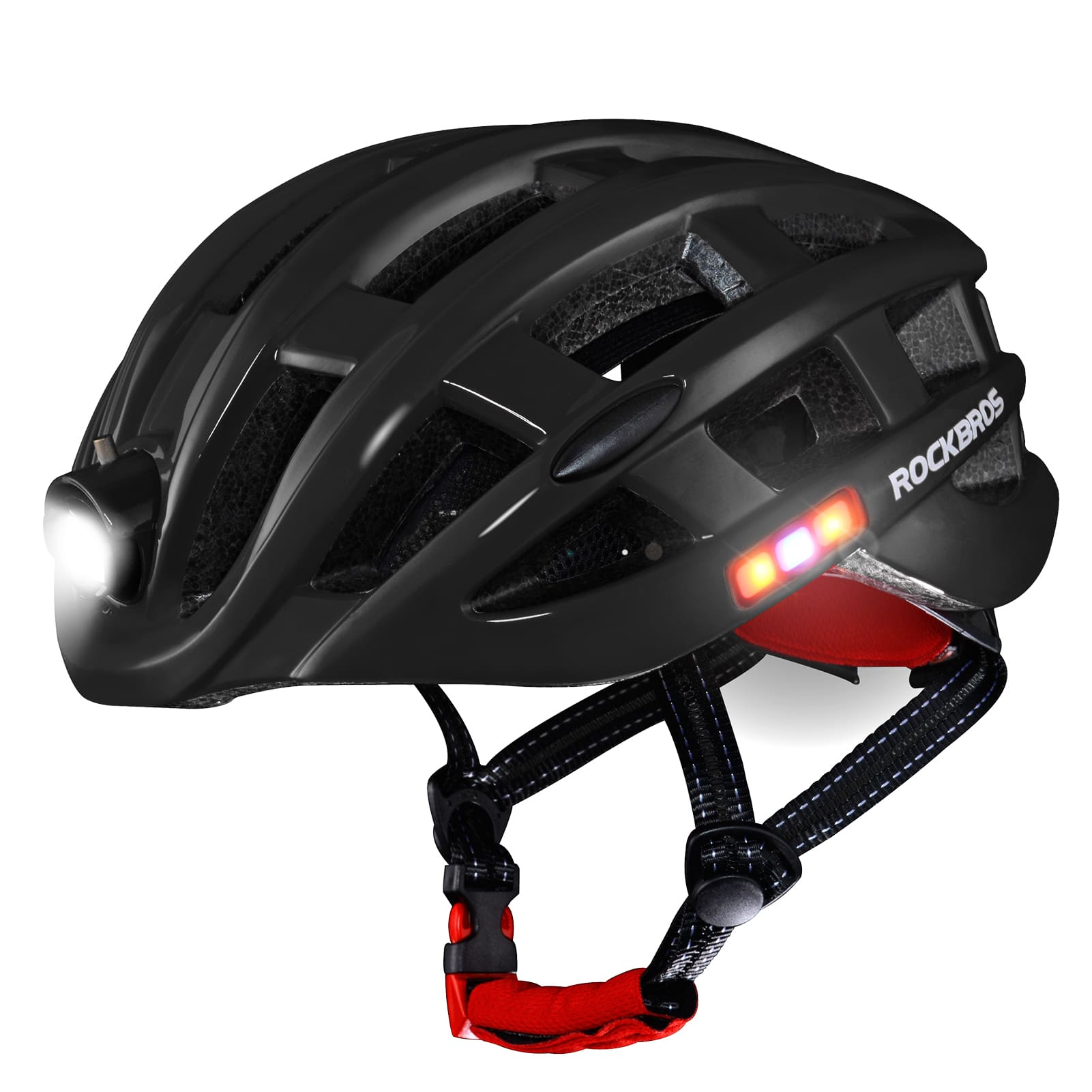
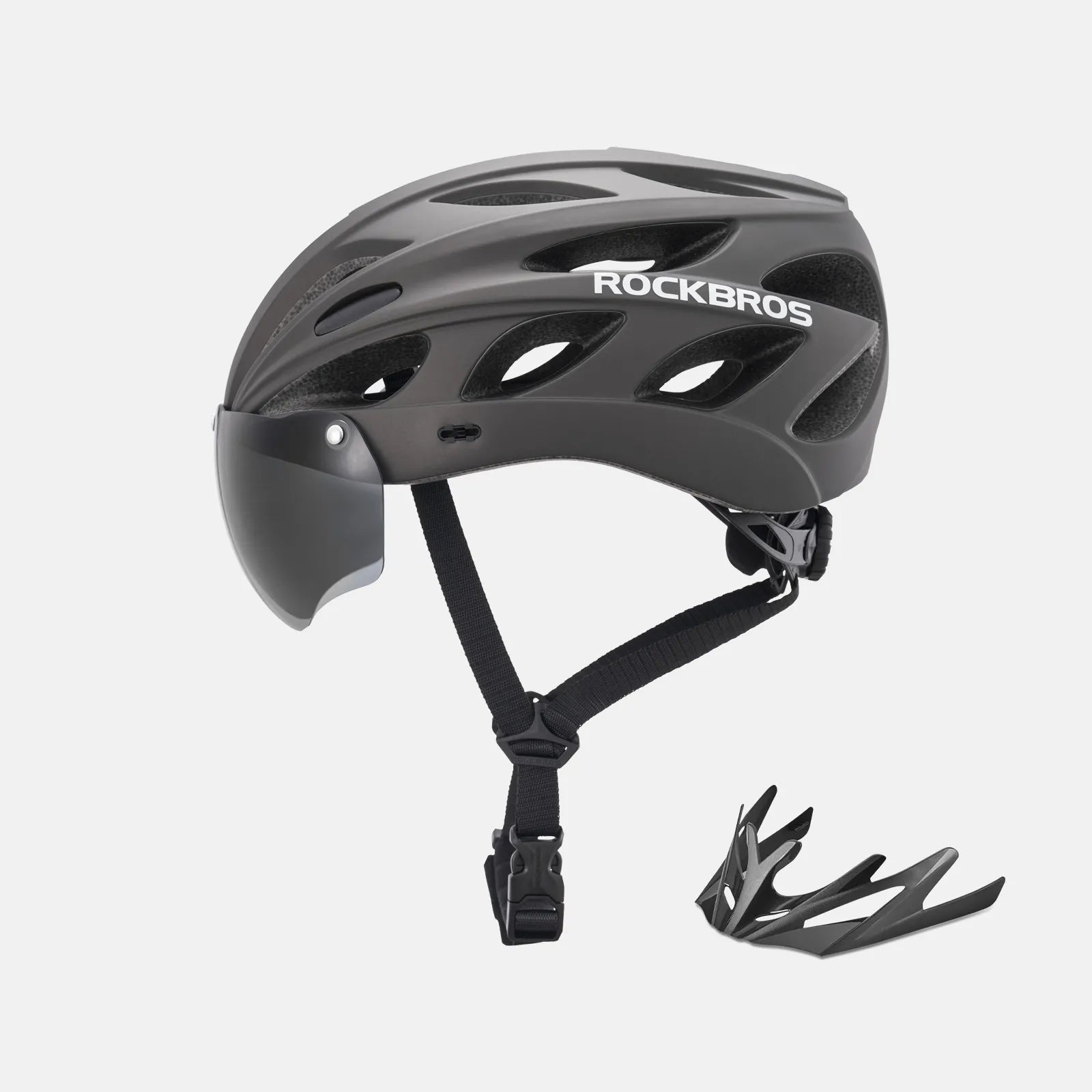
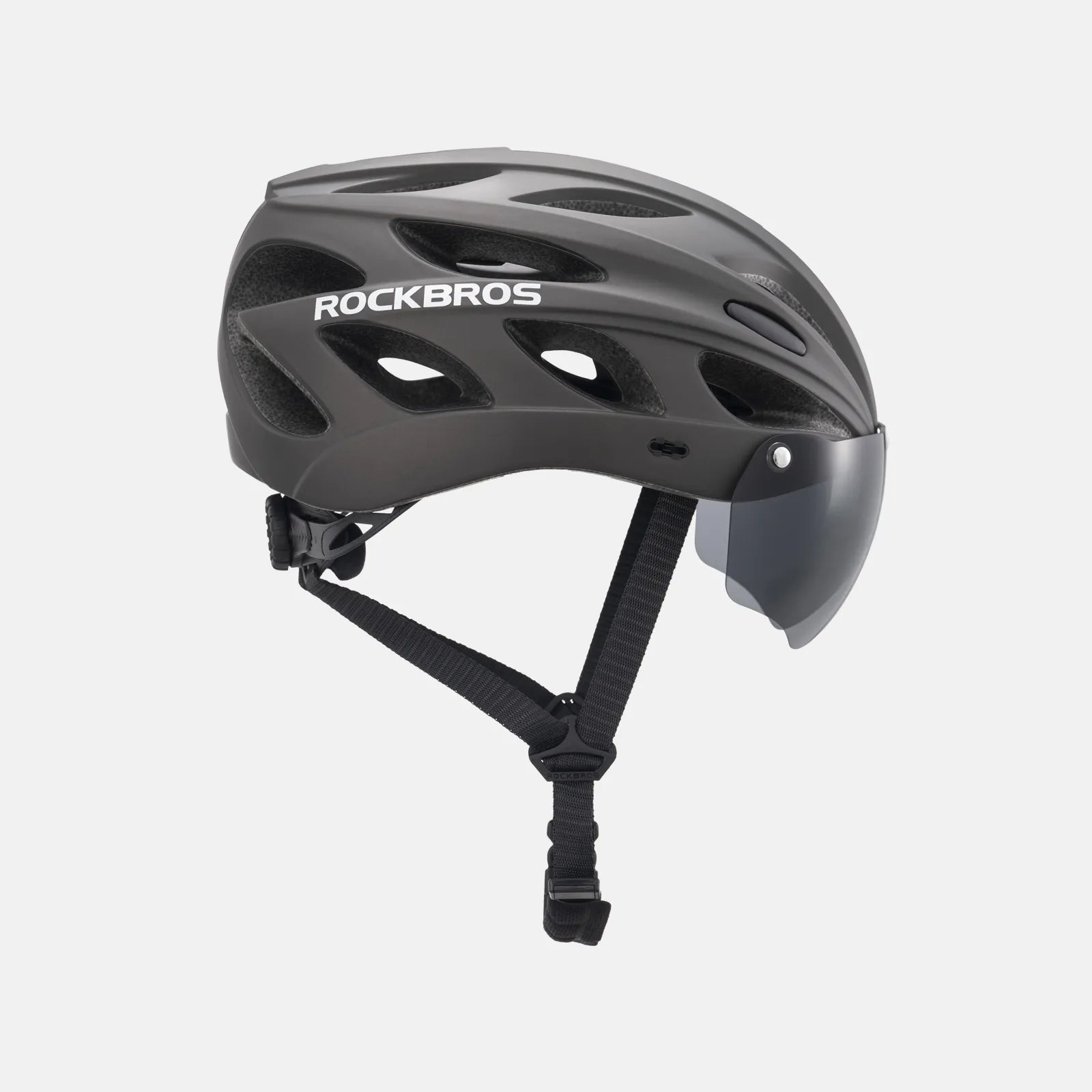

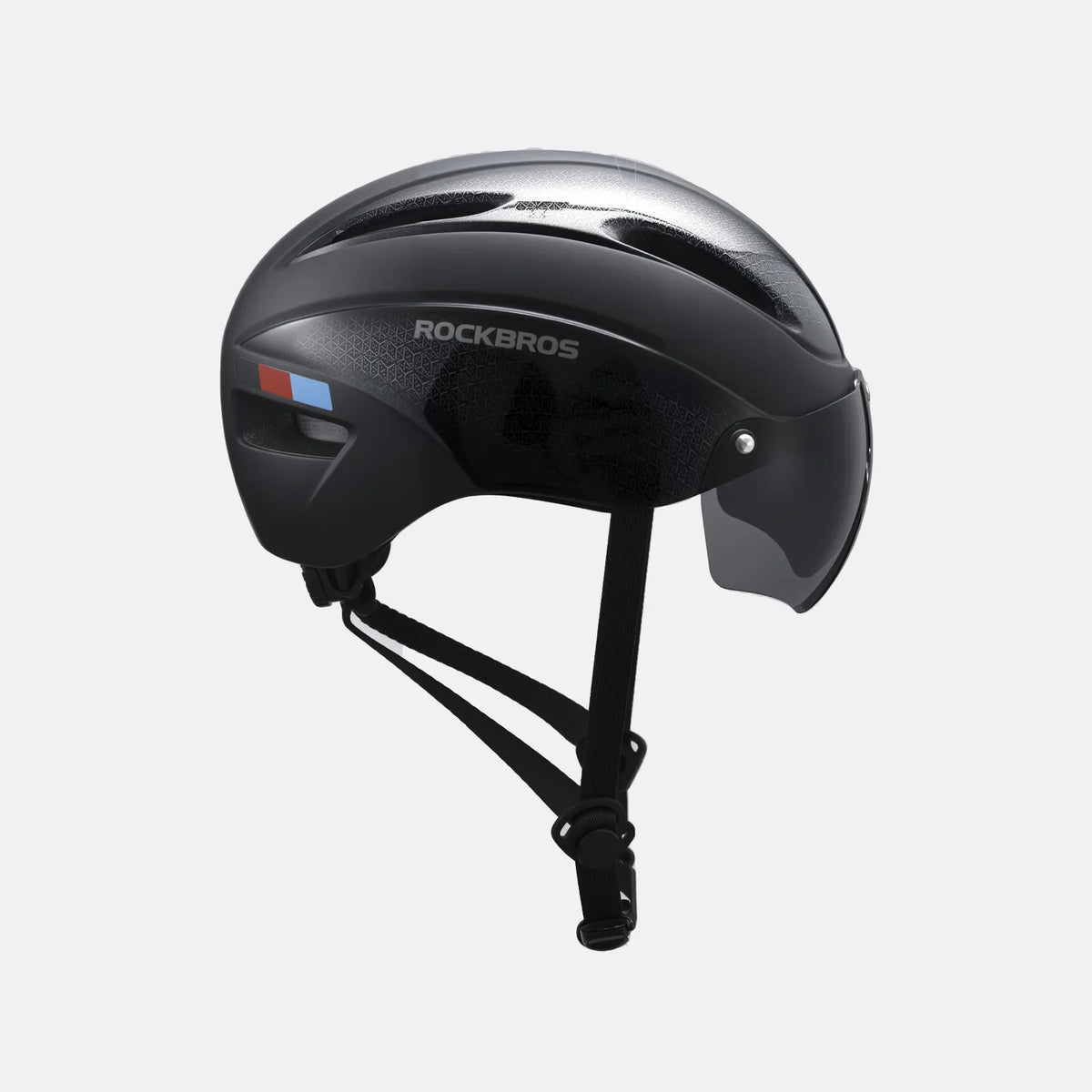
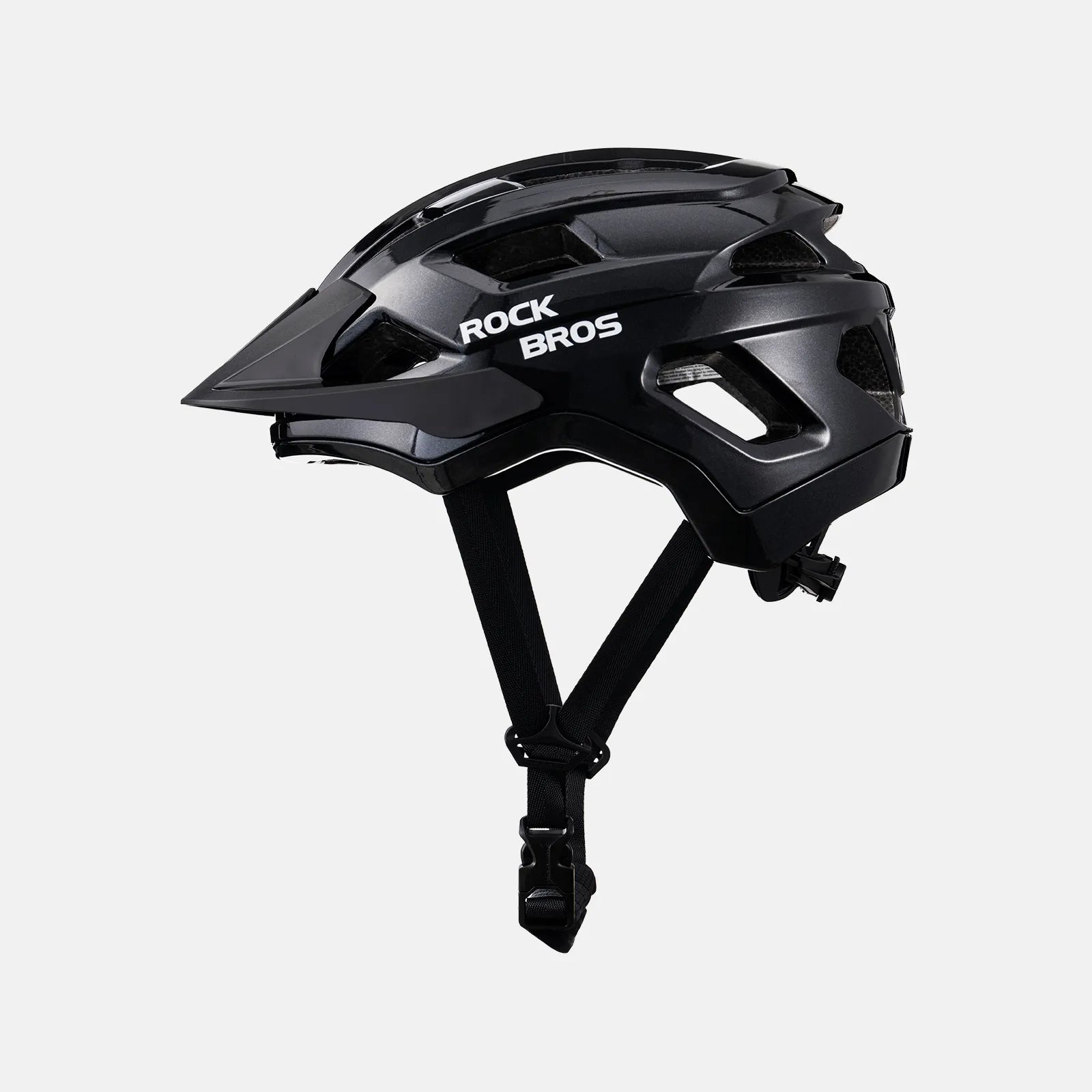
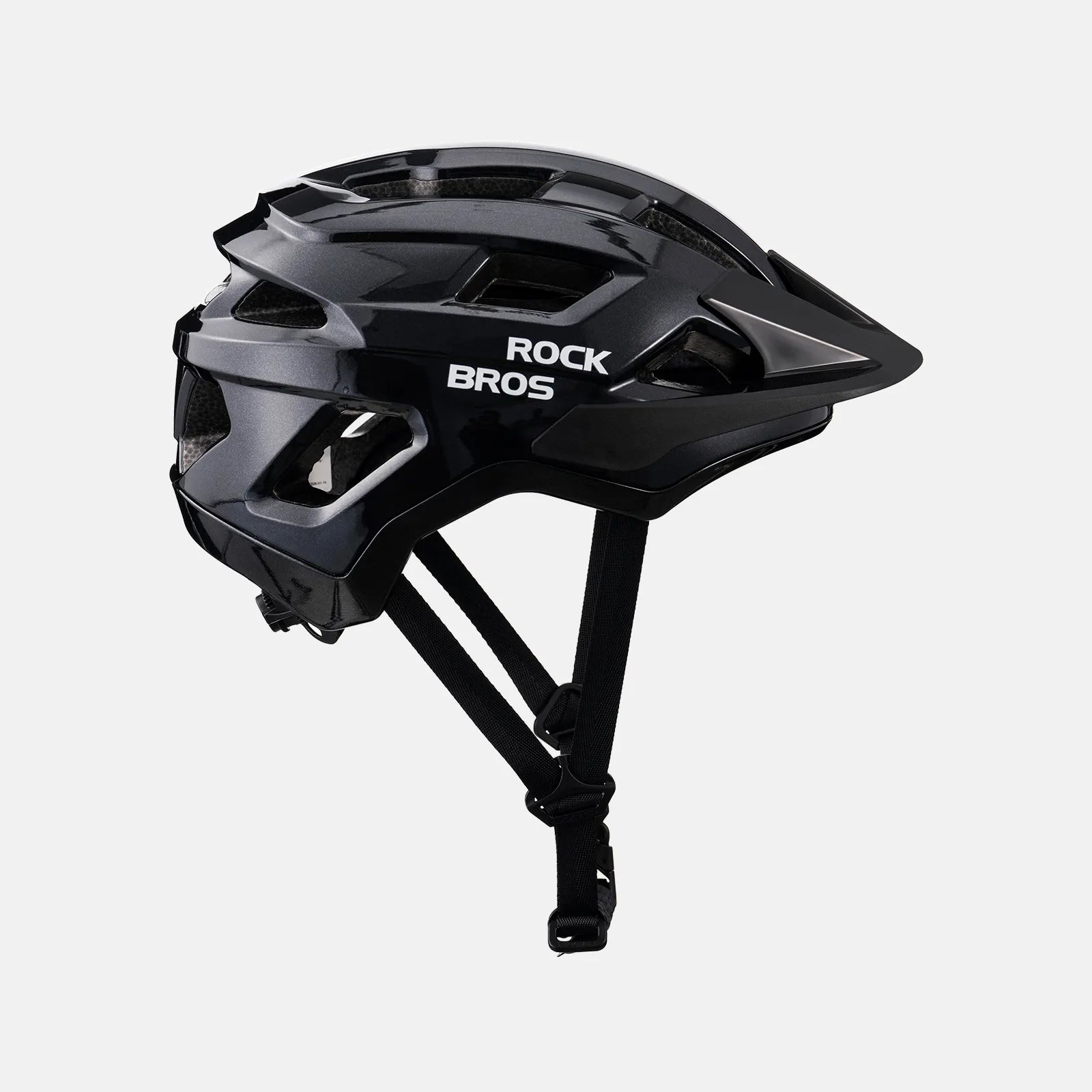
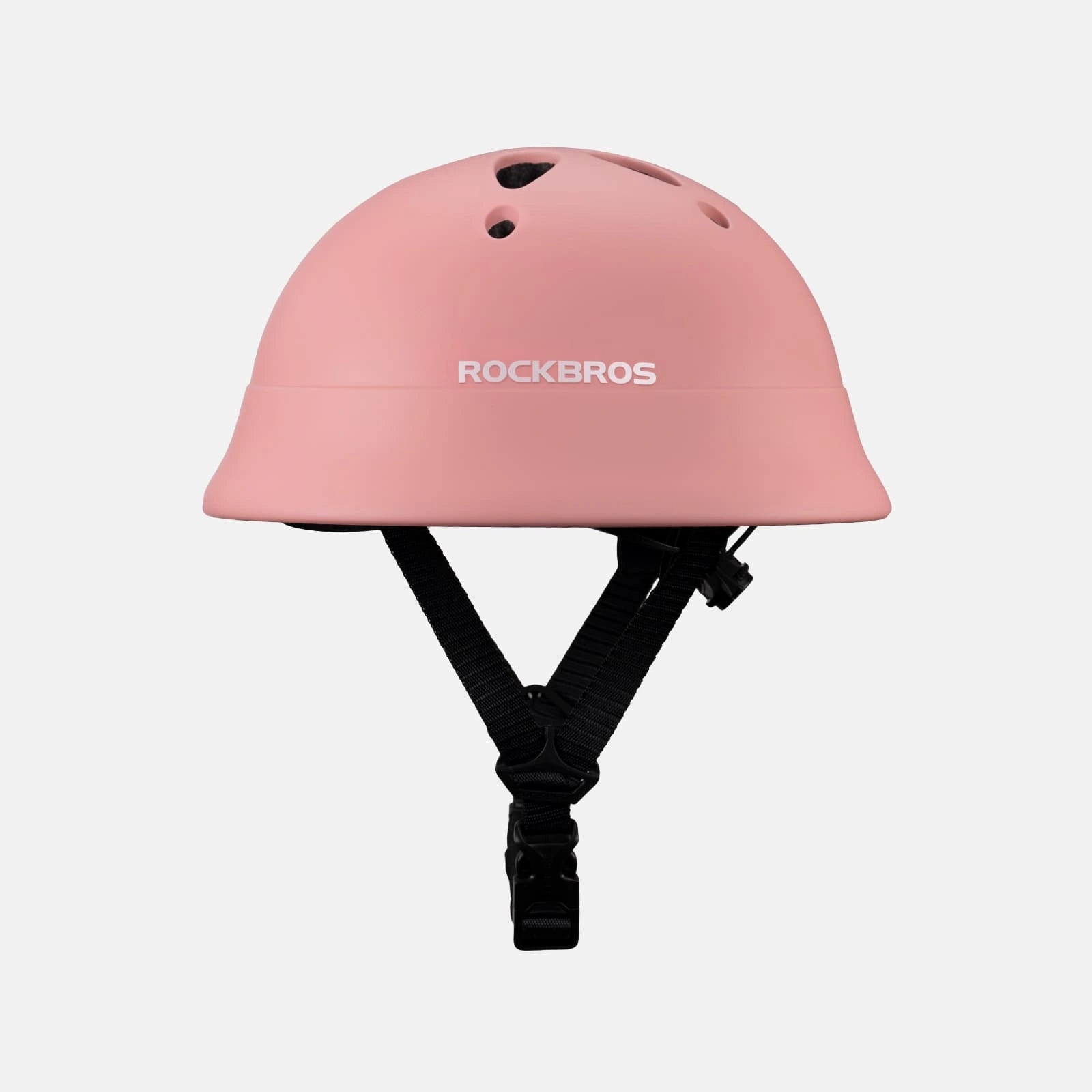
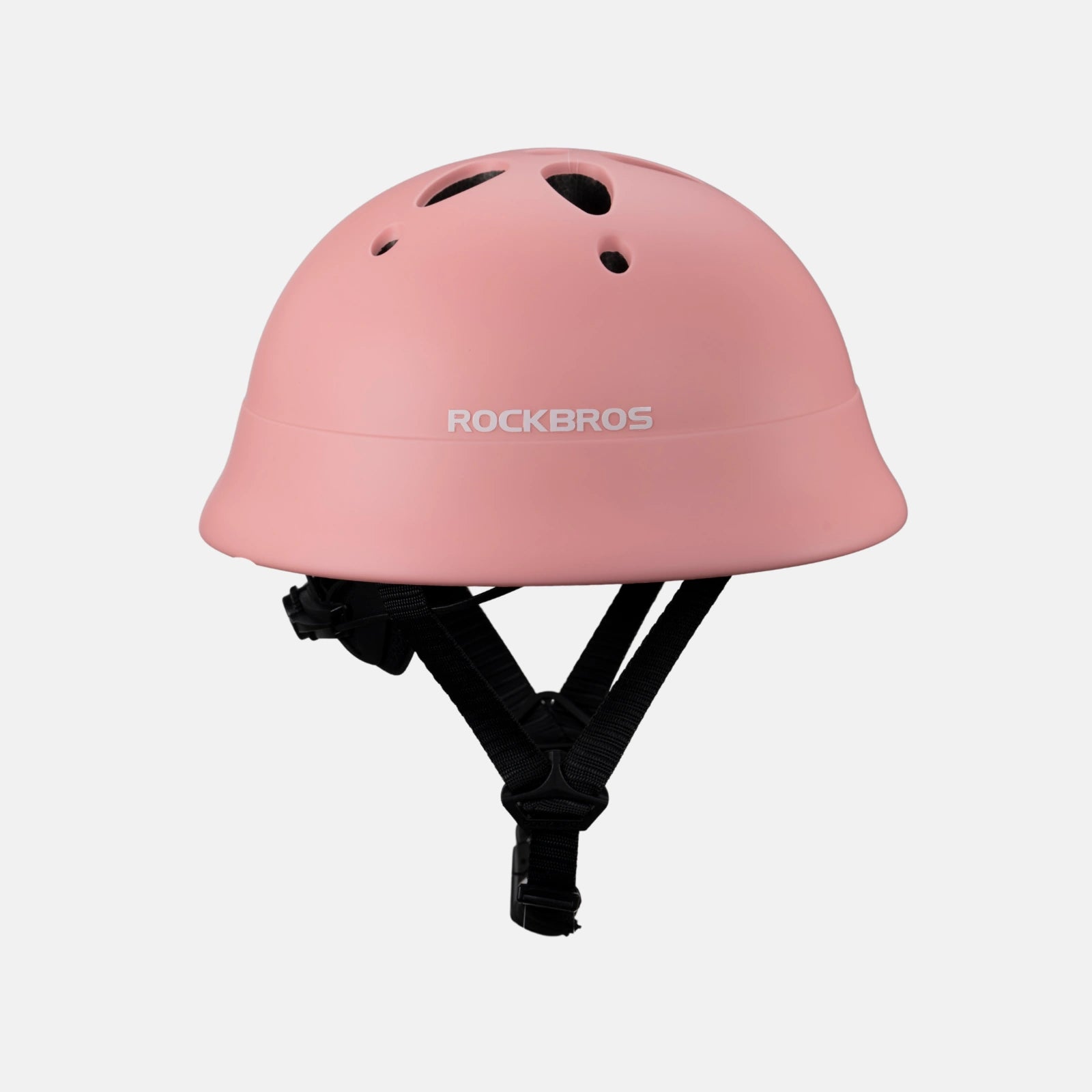
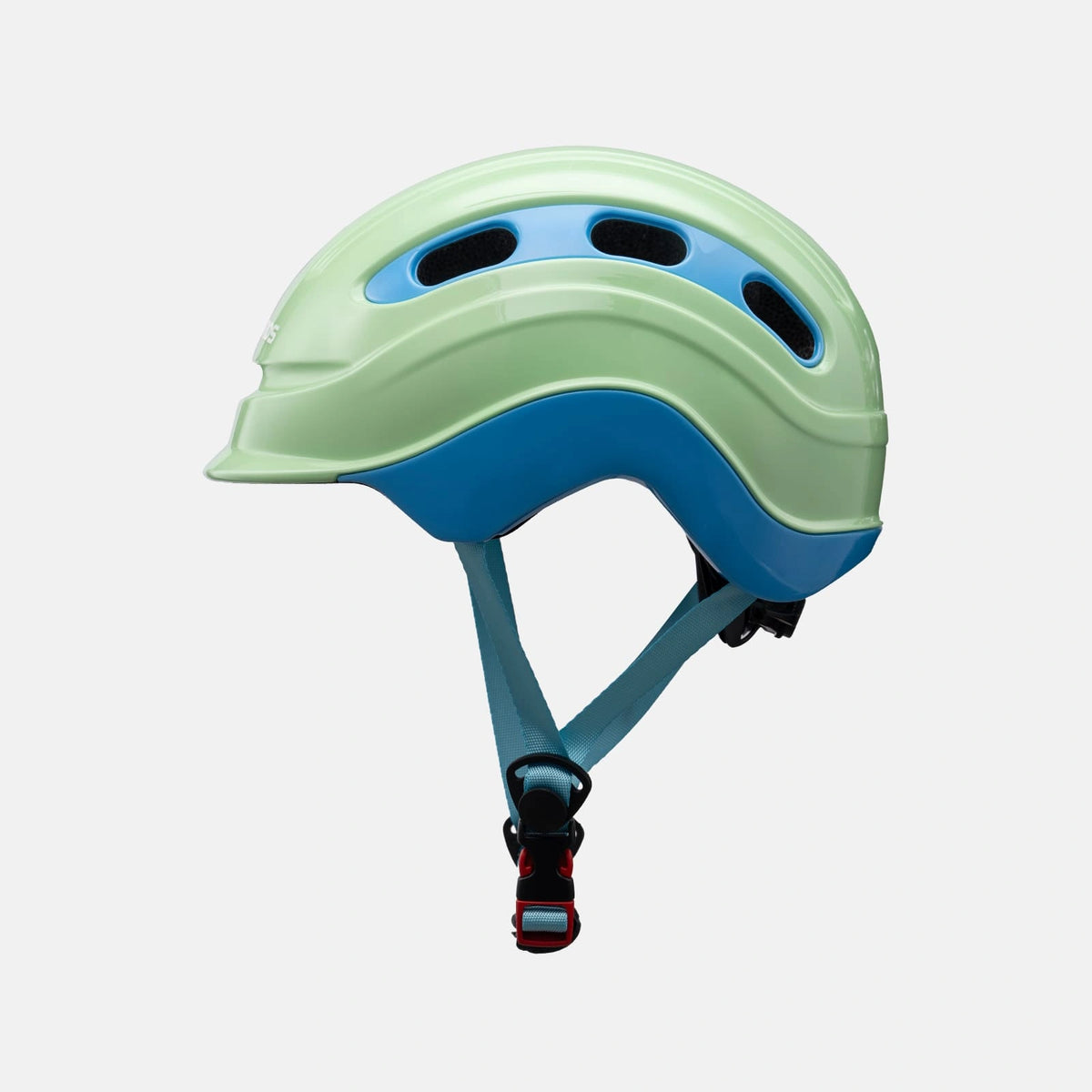
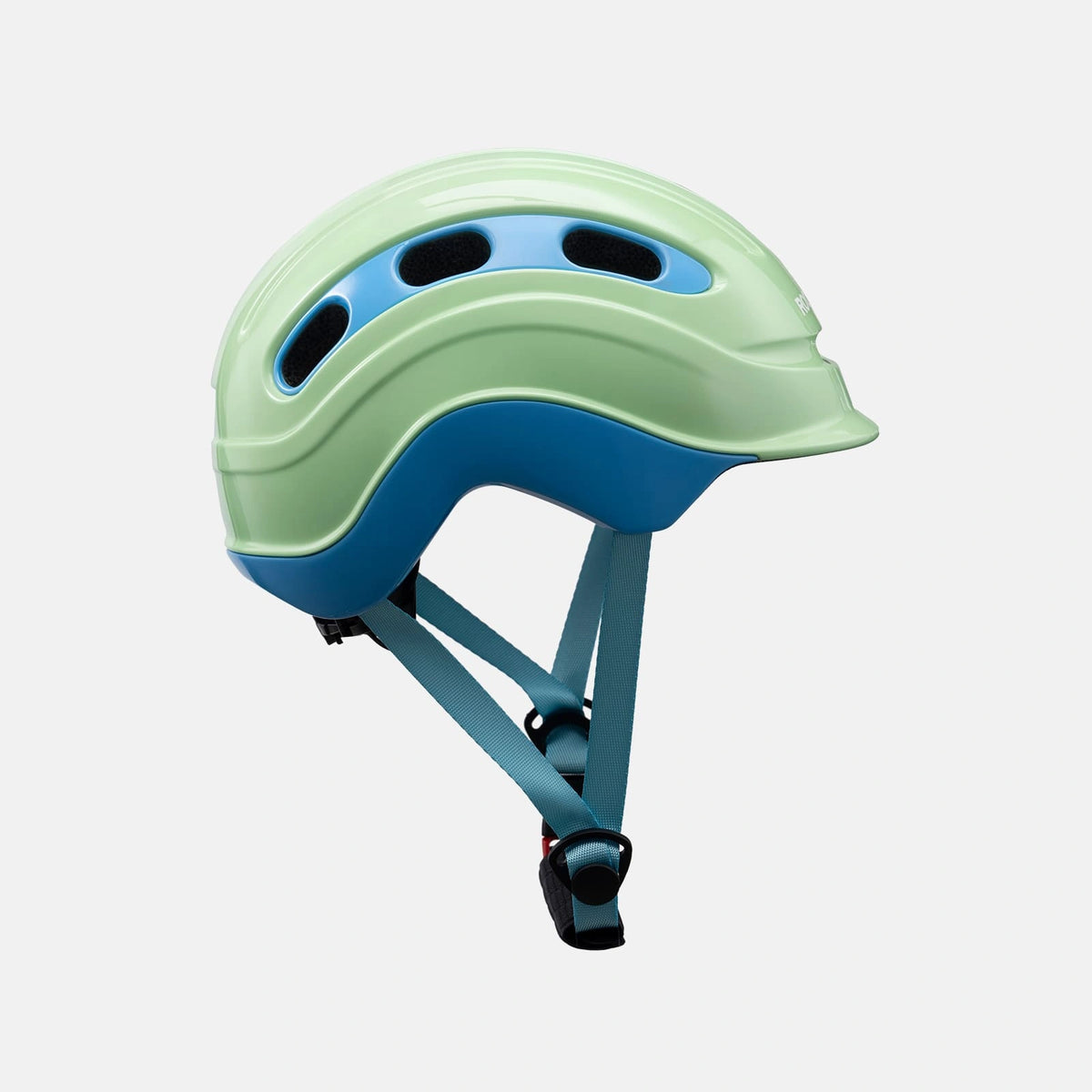
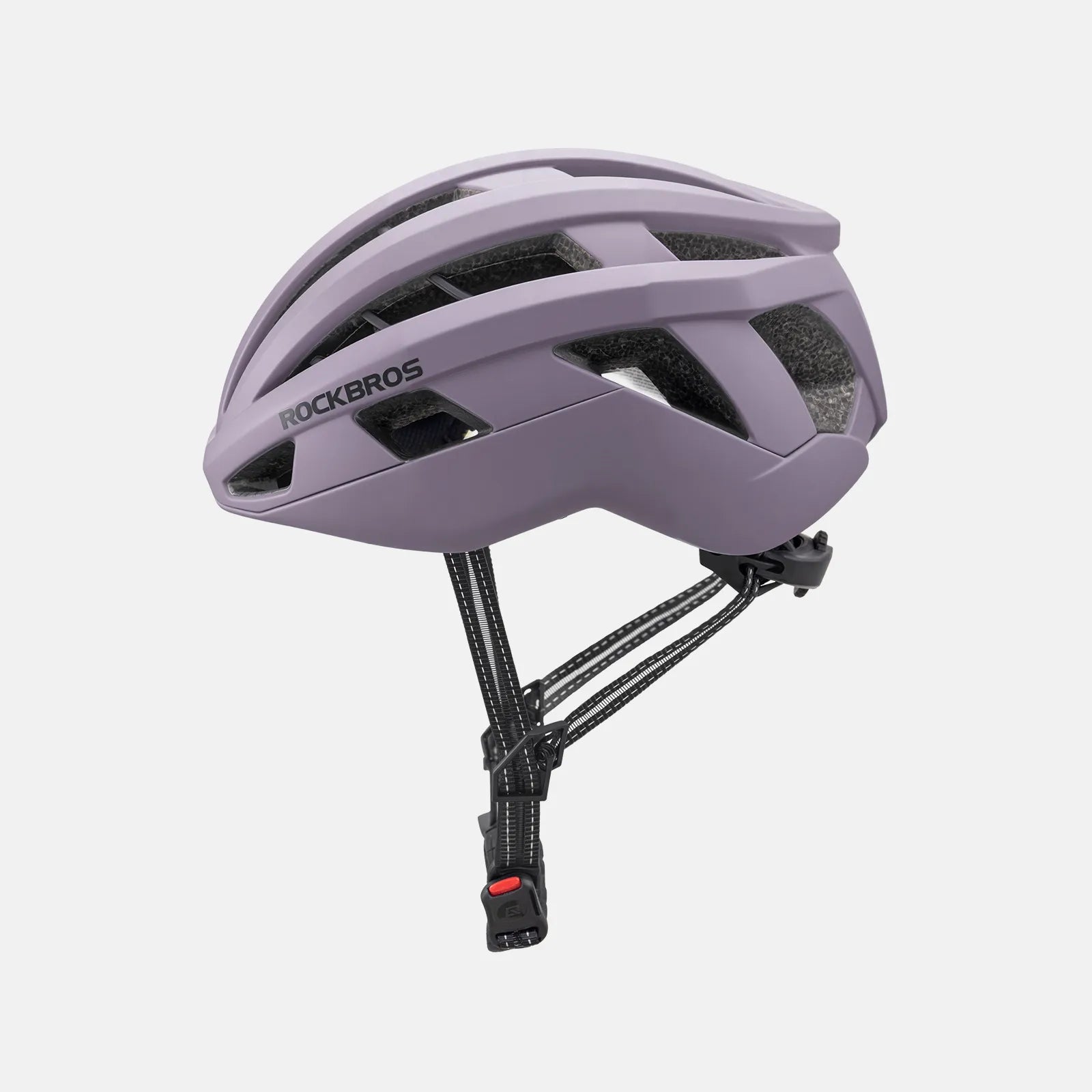
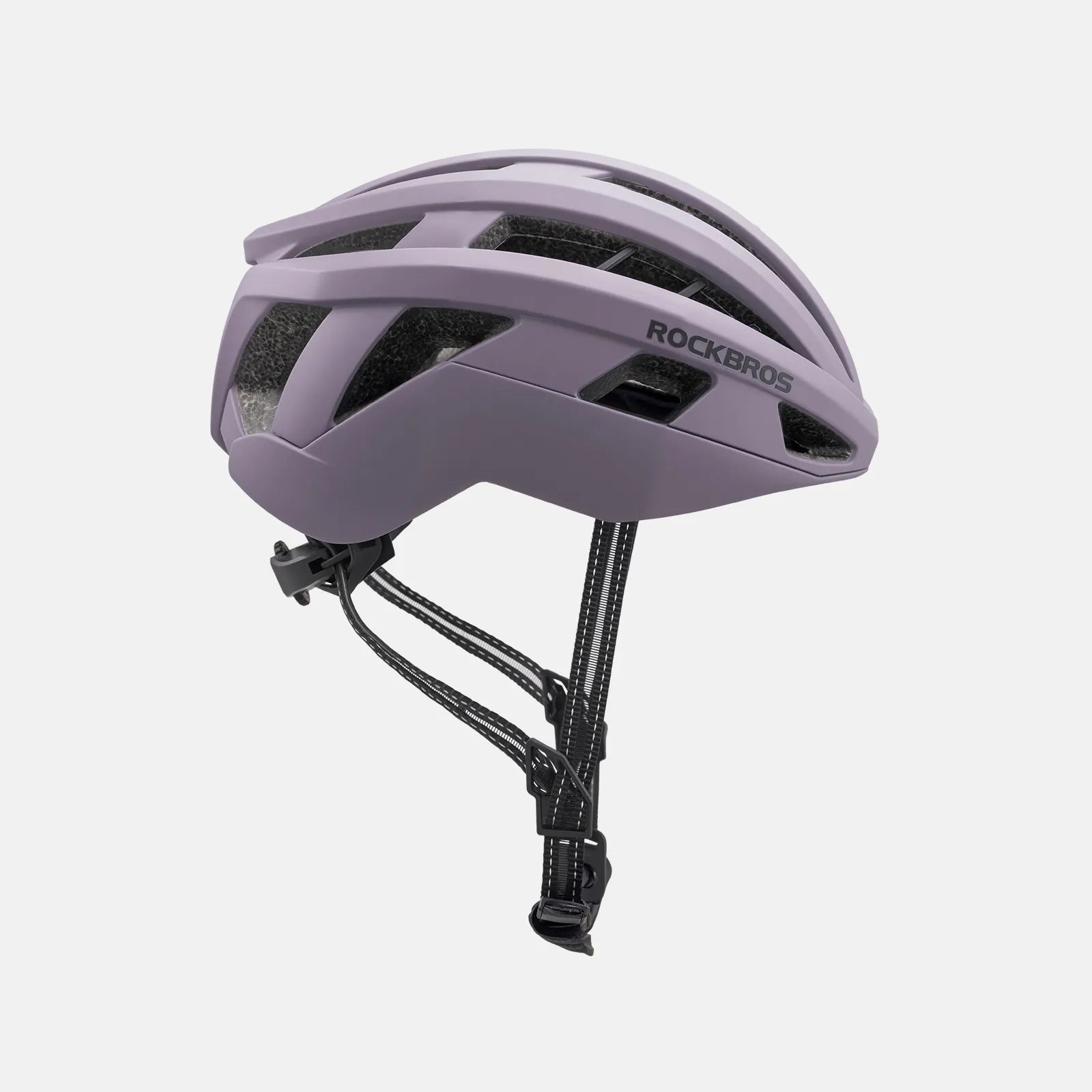
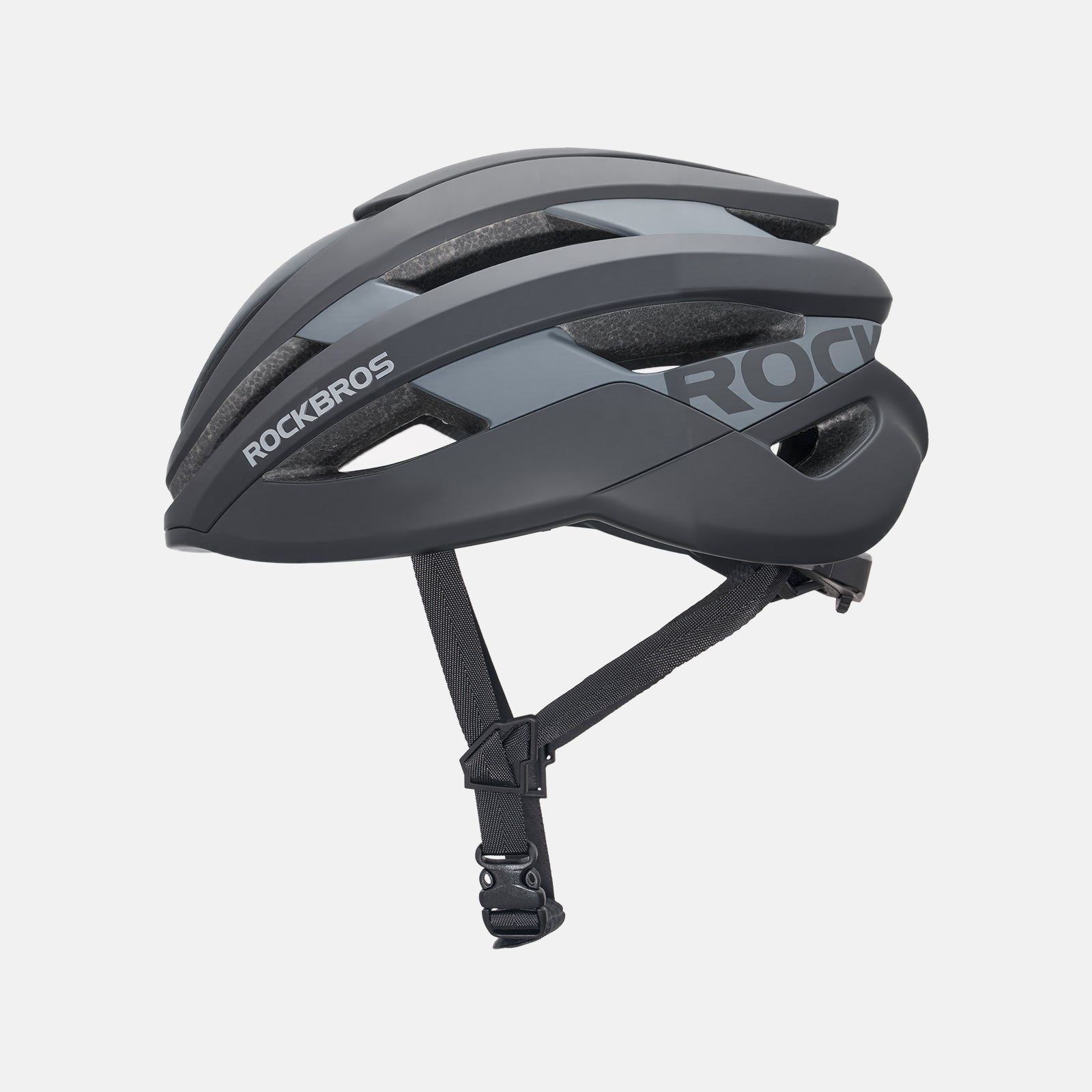
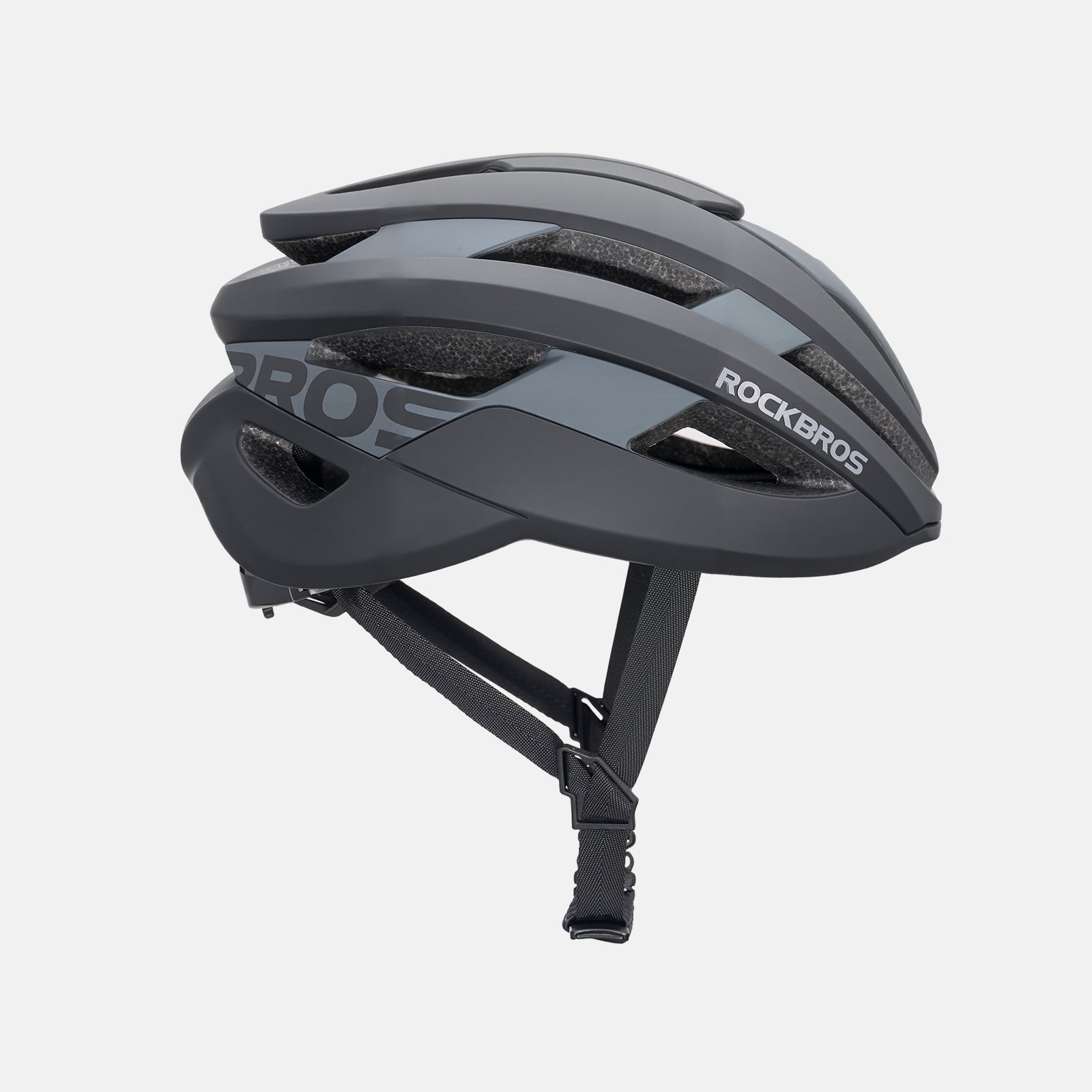
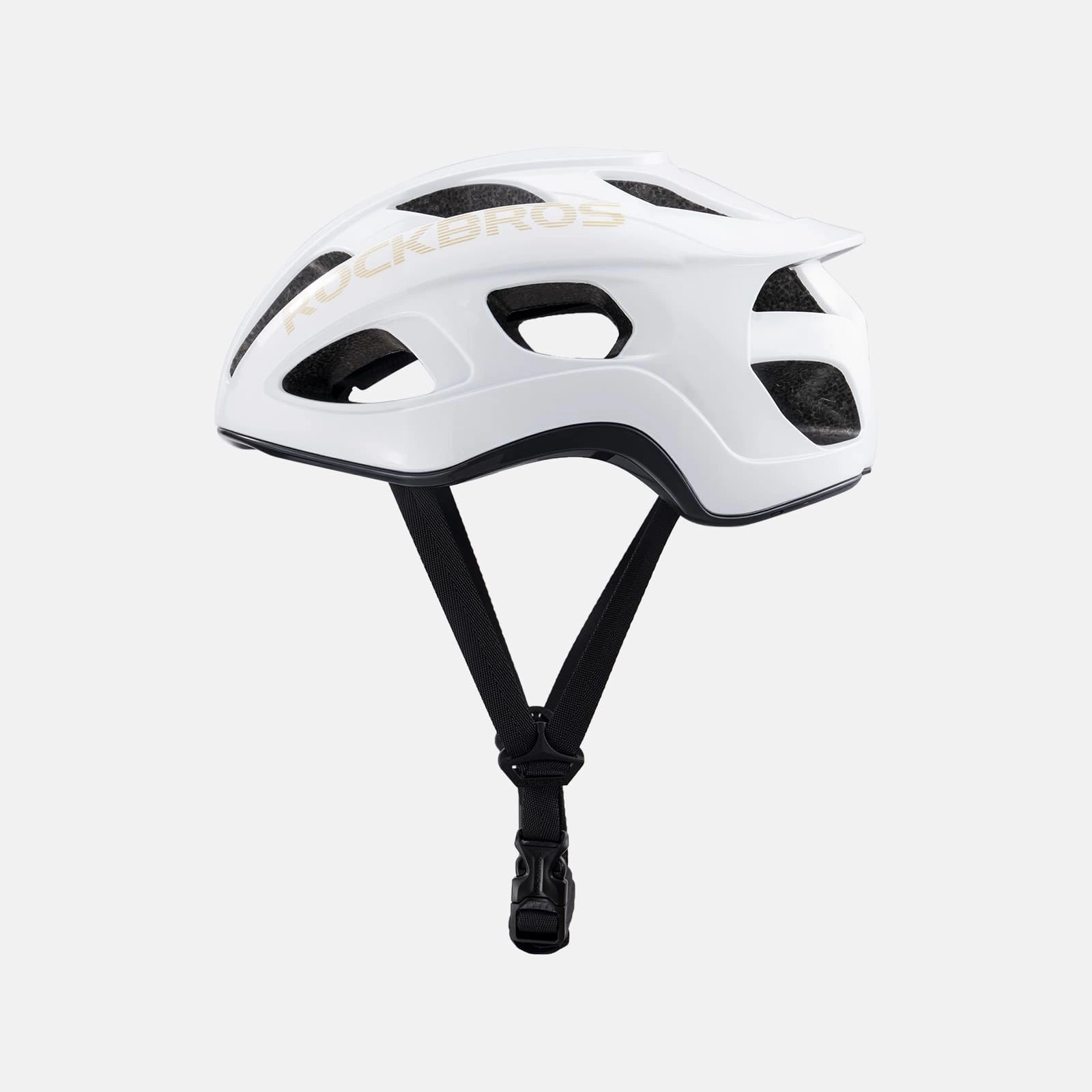
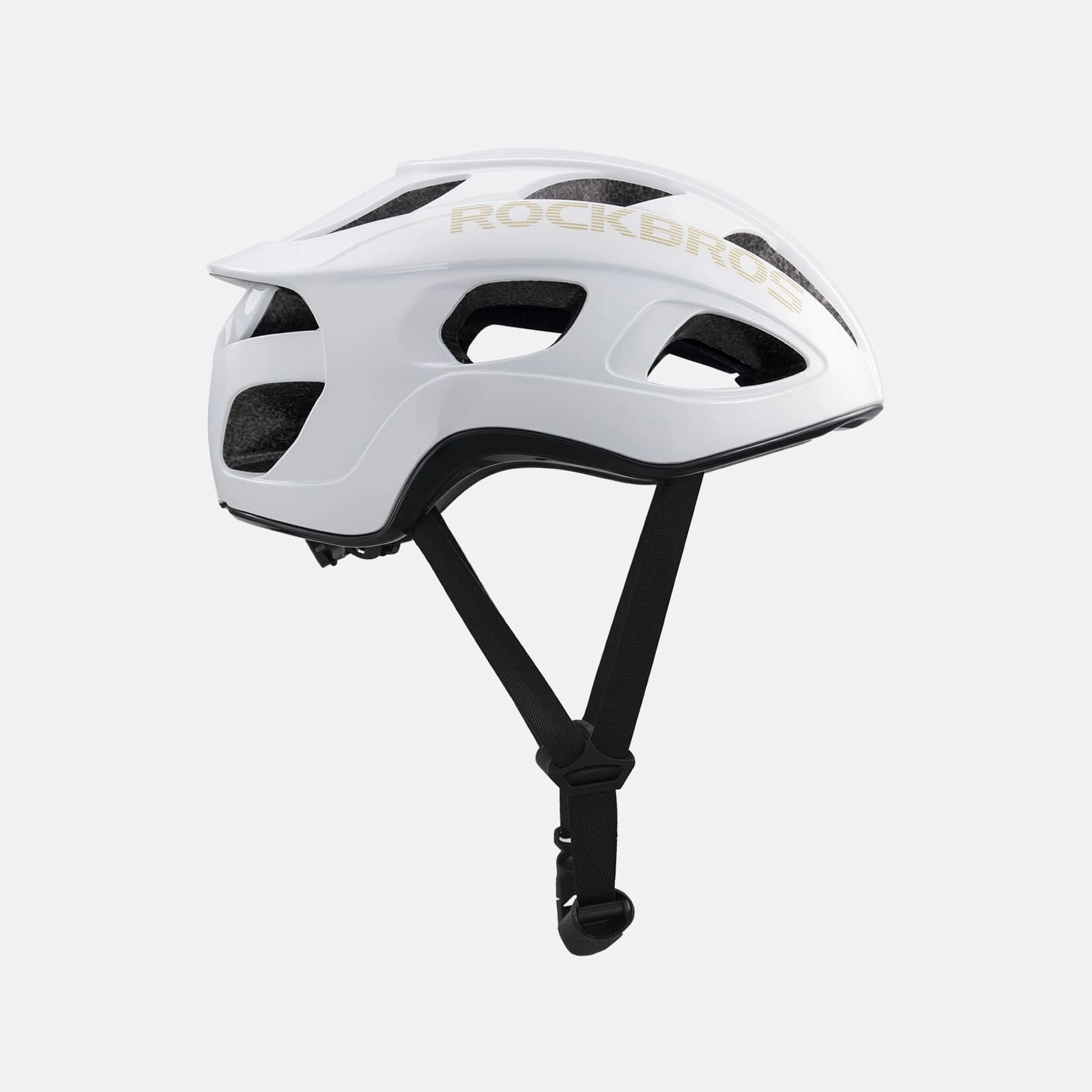
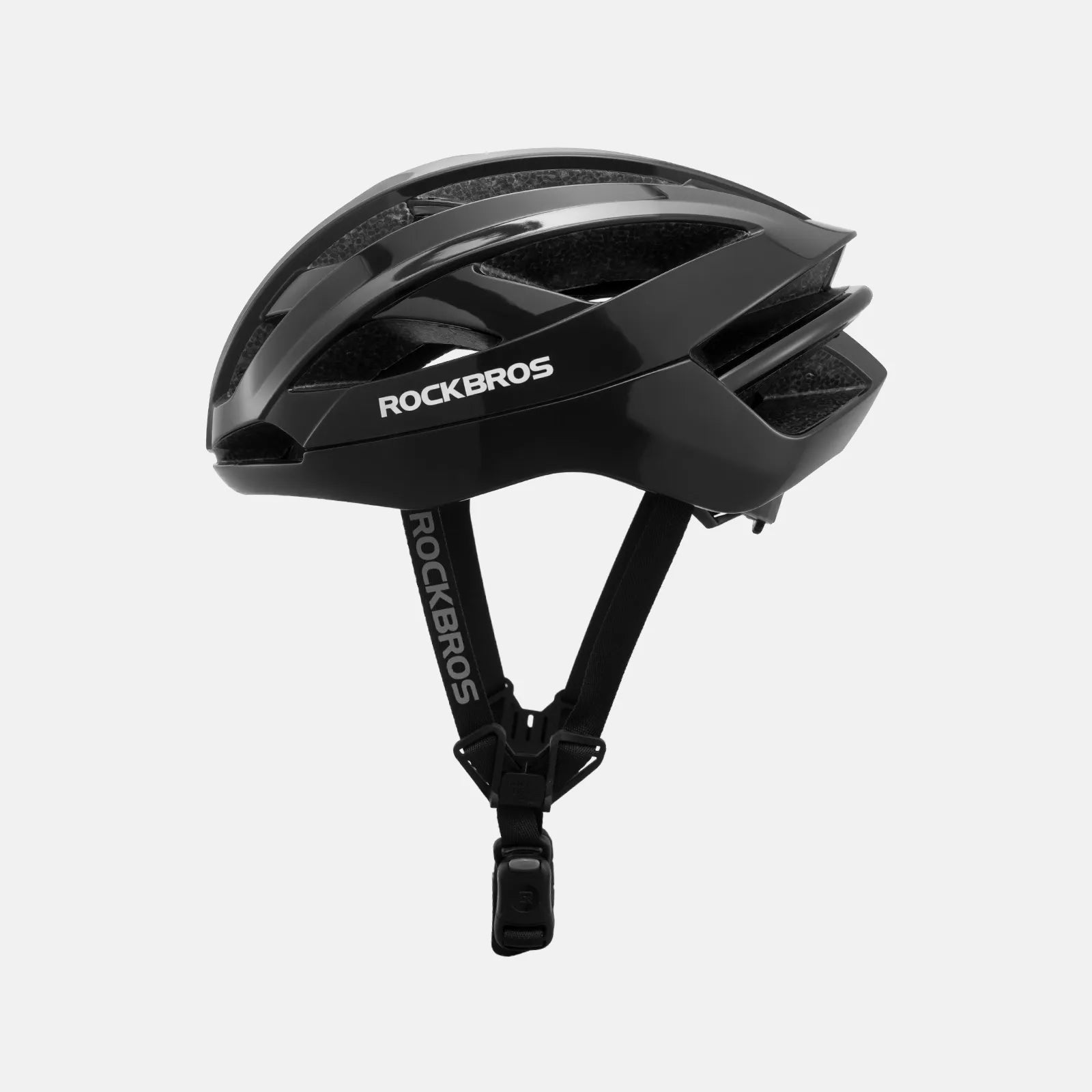
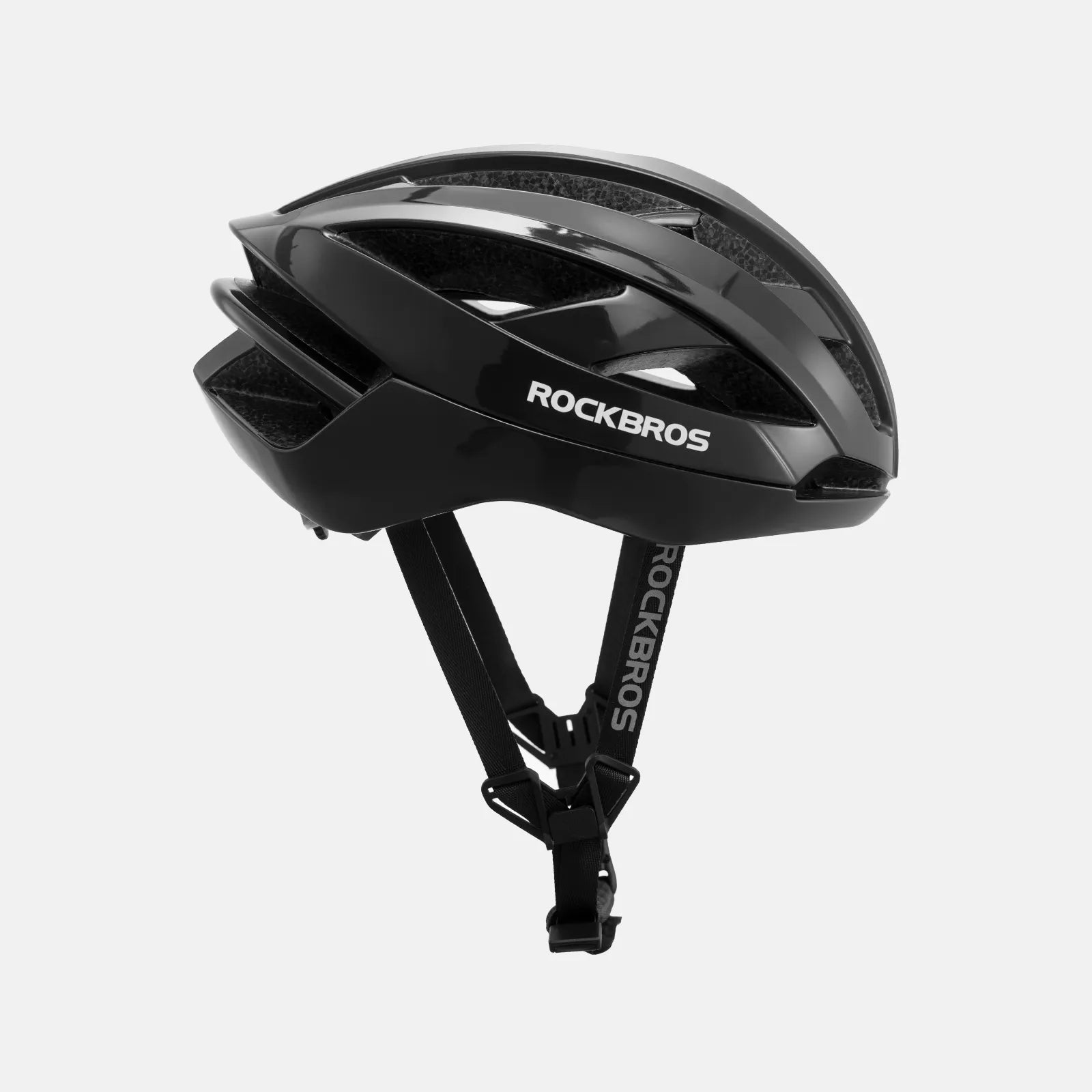


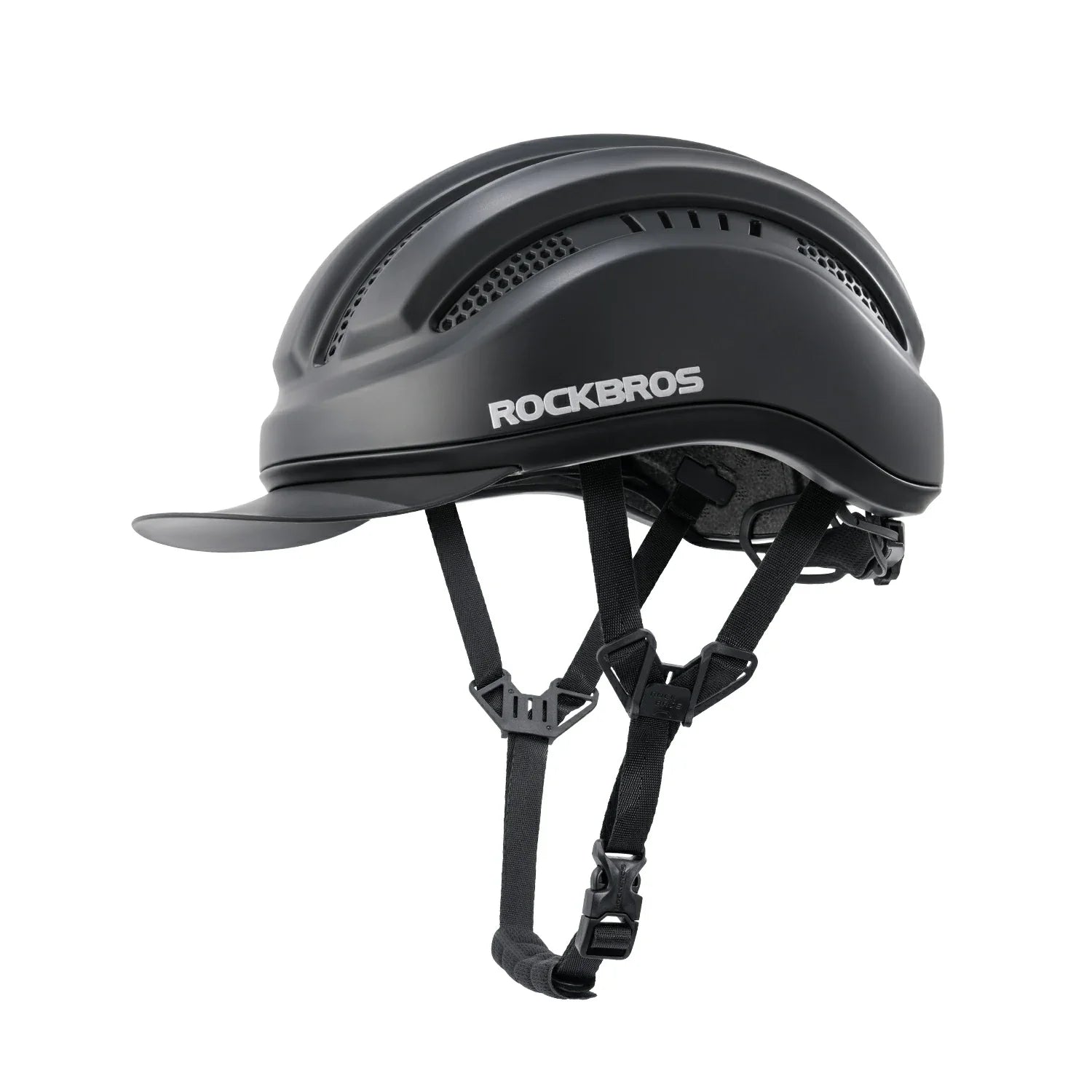
How to Choose the Right Bike Helmet
The right bike helmet should match your head size, riding environment, and comfort needs. Before comparing features, measure the circumference of your head and check the size range listed on the product page. A properly fitted helmet should sit level on your head, remain stable when you move, and feel snug without creating uncomfortable pressure points.
Choose a Helmet for Your Riding Style
Different rides place different demands on a helmet.
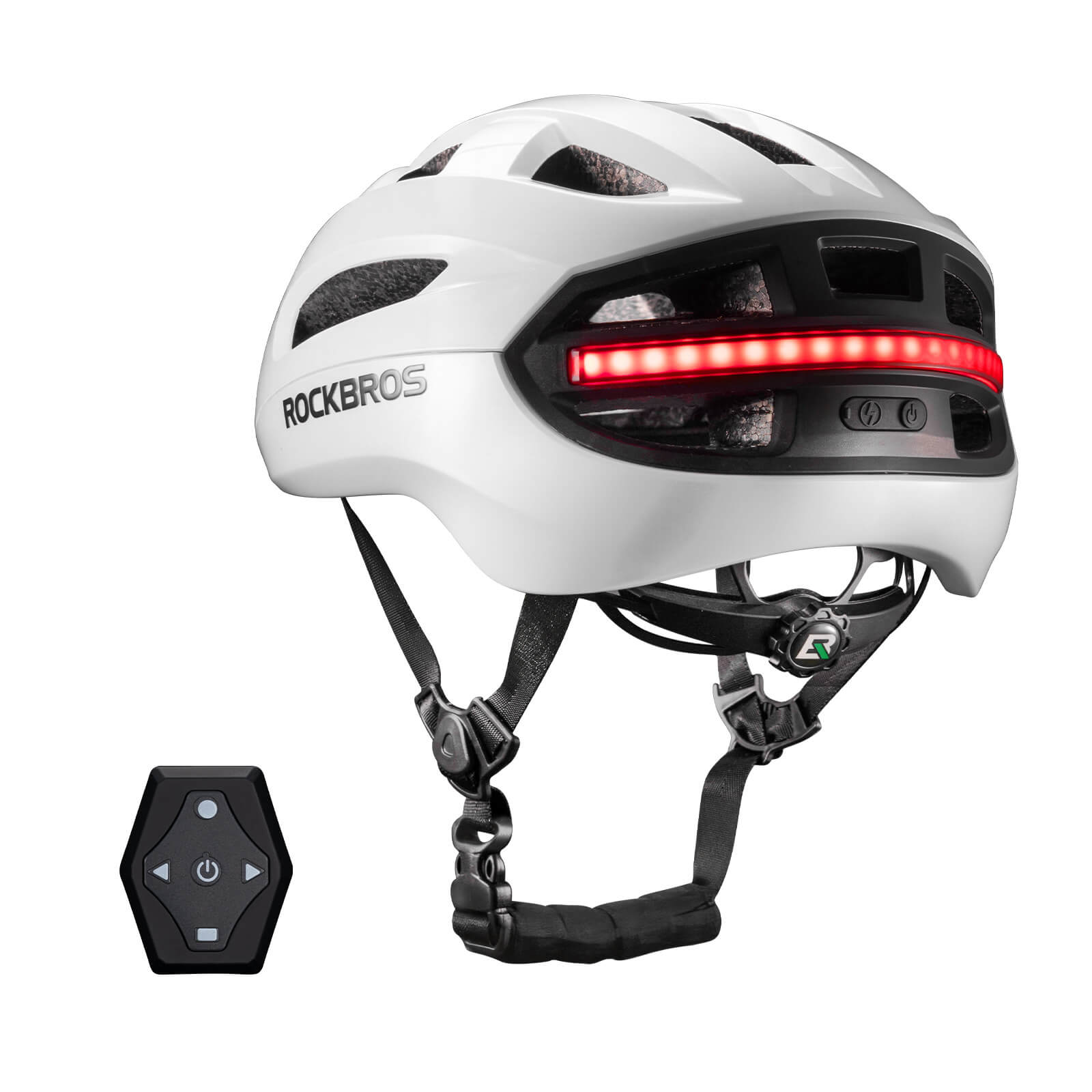
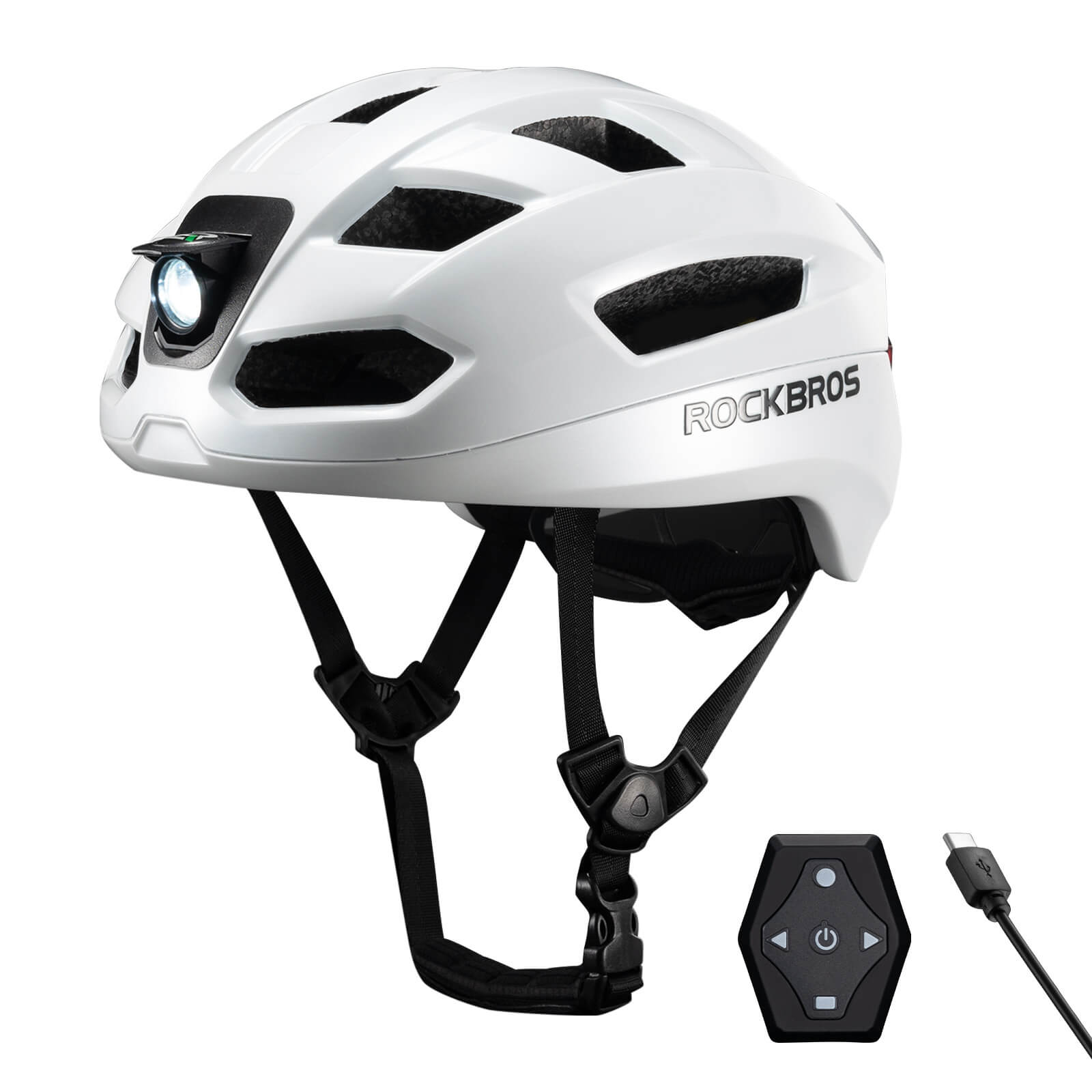
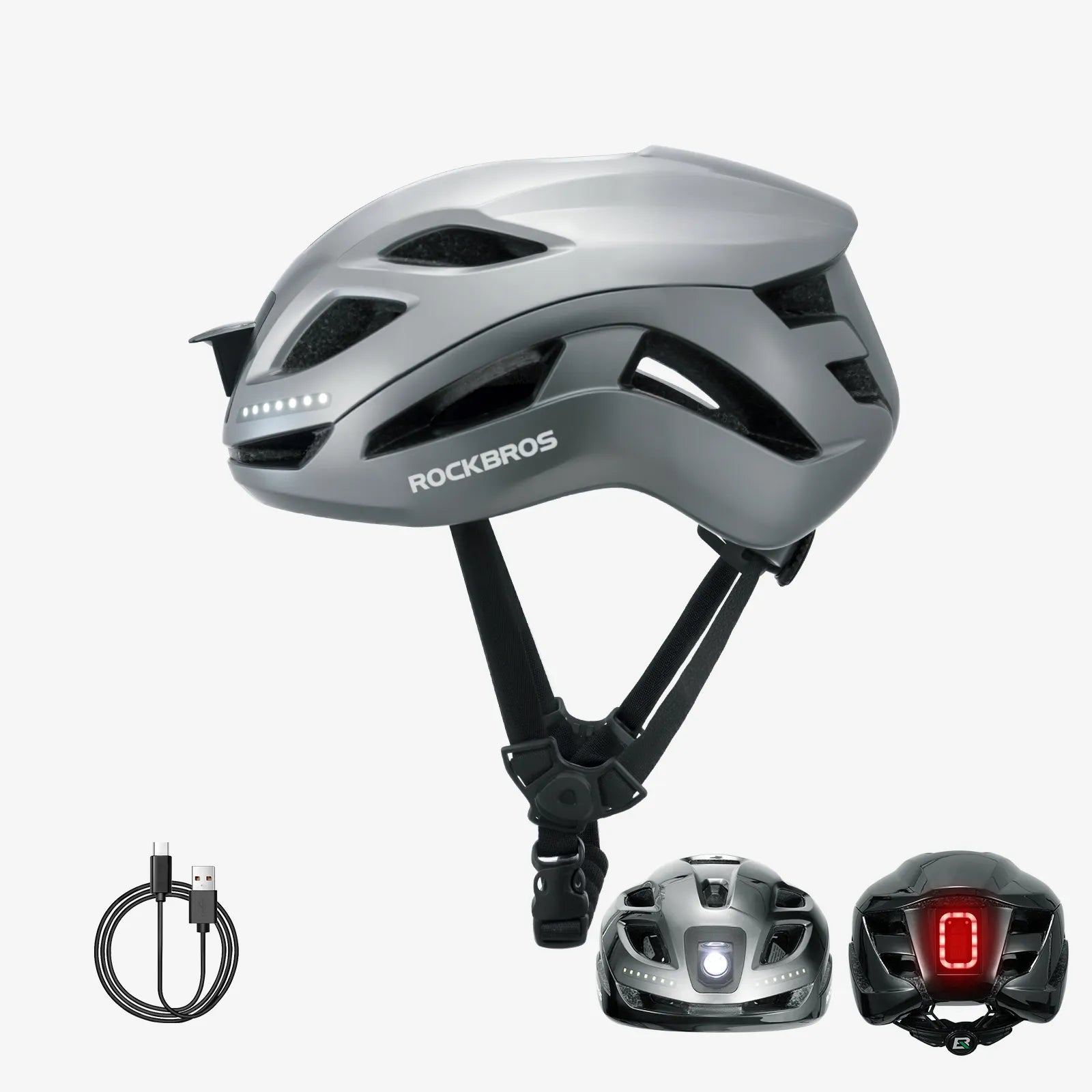
Daily commuting: Look for an adjustable fit, comfortable ventilation, and visibility features that suit riding around traffic. A helmet with an integrated rear light can help make a rider more noticeable in low-light conditions, but it should be used together with appropriate front and rear bike lights.
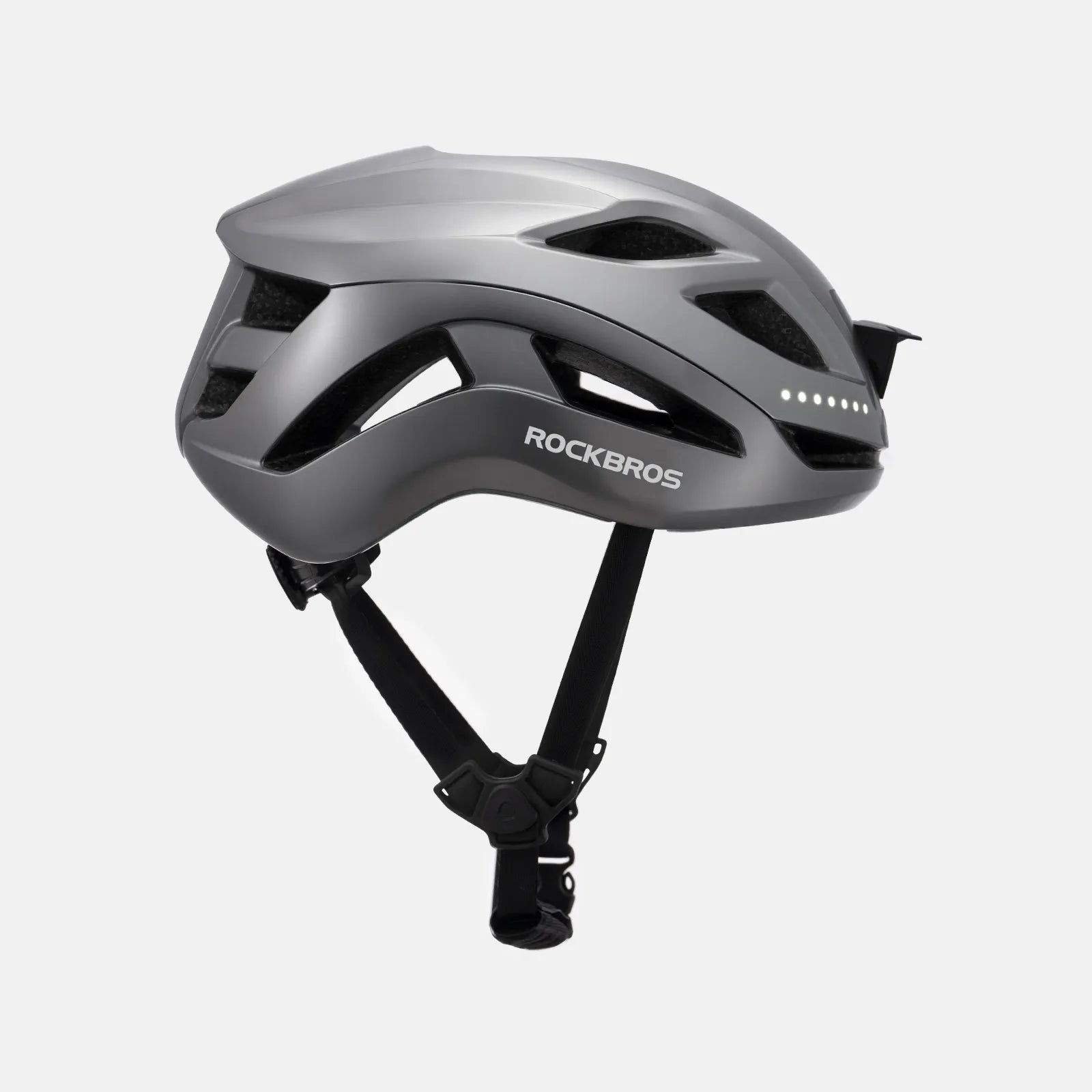
Road cycling: Lightweight construction, airflow, and a stable fit are especially important during longer or faster rides. An aerodynamic shape may also appeal to riders focused on road performance.
Mountain biking: Consider increased coverage, a secure adjustment system, and a design that remains stable over uneven terrain. Riders tackling more active trails may prefer additional face or rear-head coverage.
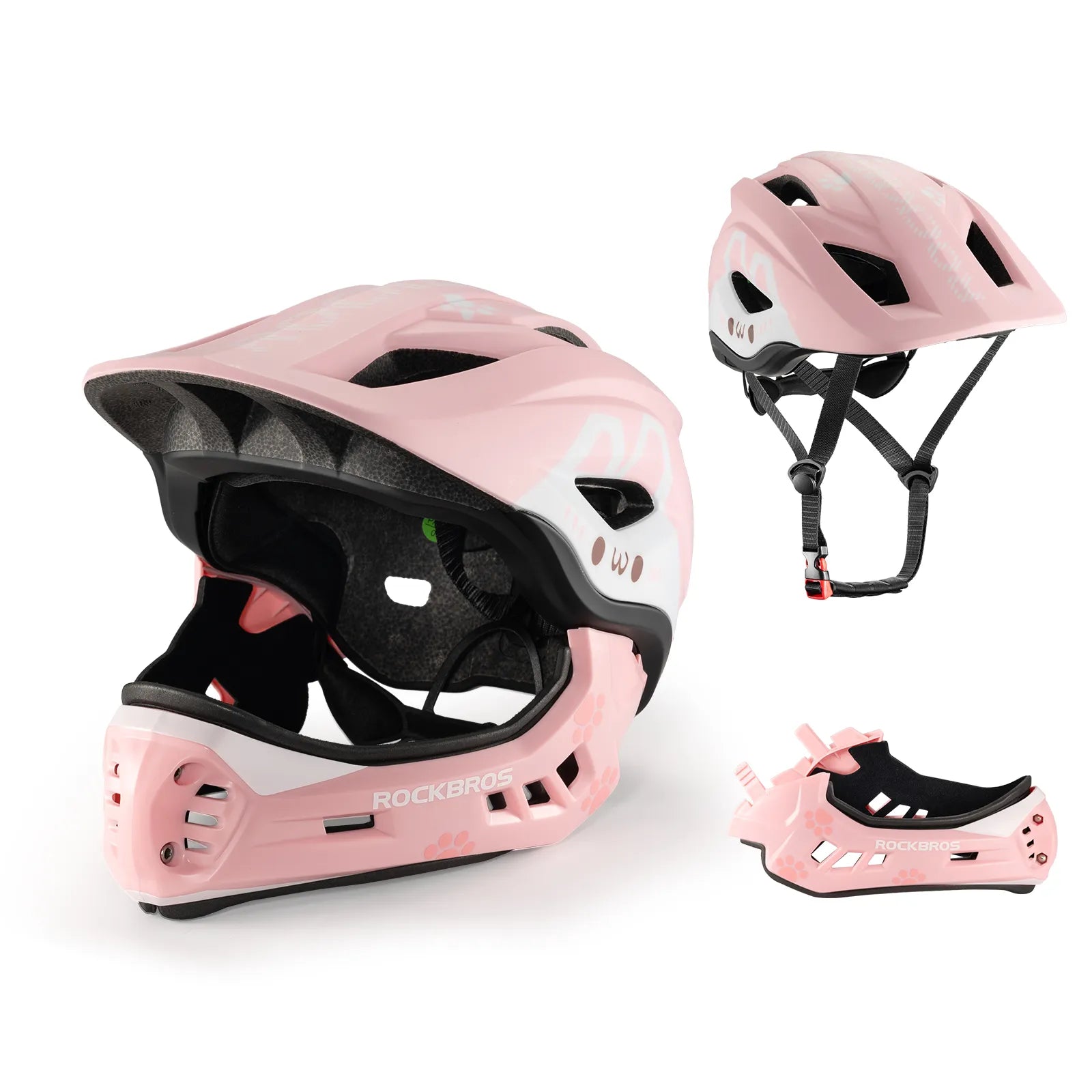
Kids’ cycling: Correct sizing is essential. Choose a helmet designed for the child’s current head measurement rather than buying an oversized helmet for future growth. Full-face models provide additional face and chin coverage for more active riding, while standard kids’ helmets are generally lighter for everyday use.
Bike Helmet Features to Compare
Measure around the widest part of your head, usually just above the eyebrows and ears, and compare the measurement with the size range shown on the product page. Do not choose a helmet based only on age or a general small, medium, or large label.
A bike helmet should sit level, feel snug without painful pressure, and remain stable when you move your head. The straps should be adjusted around the ears, and the chin strap should be secure but comfortable.
Integrated helmet lights can add visibility and convenience for commuting or riding in low-light conditions. They should supplement, not replace, suitable front and rear bicycle lights.
Full-face helmets provide additional chin and face coverage and may be appropriate for more active riding. Correct sizing, secure adjustment, comfort, and suitability for the child’s riding activity should all be considered.
Replace a helmet after a significant impact, when the shell or inner foam shows damage, or when the straps and adjustment system no longer work correctly.