
LIGHTER. FASTER. FURTHER.
Build a lighter bike with carbon wheelsets, lightweight pedals, and carbon components designed to balance weight and performance.
It's not about chasing the lowest number. It's about reducing weight where it makes sense.
Faster Acceleration
Less weight can help the bike feel quicker and more responsive when accelerating.
Easier Climbing
Reducing bike weight means less mass to move uphill.
More Responsive Handling
Lightweight components can help create a more agile, responsive ride.
Small changes or bigger upgrades—find lightweight components for building a lighter ride.
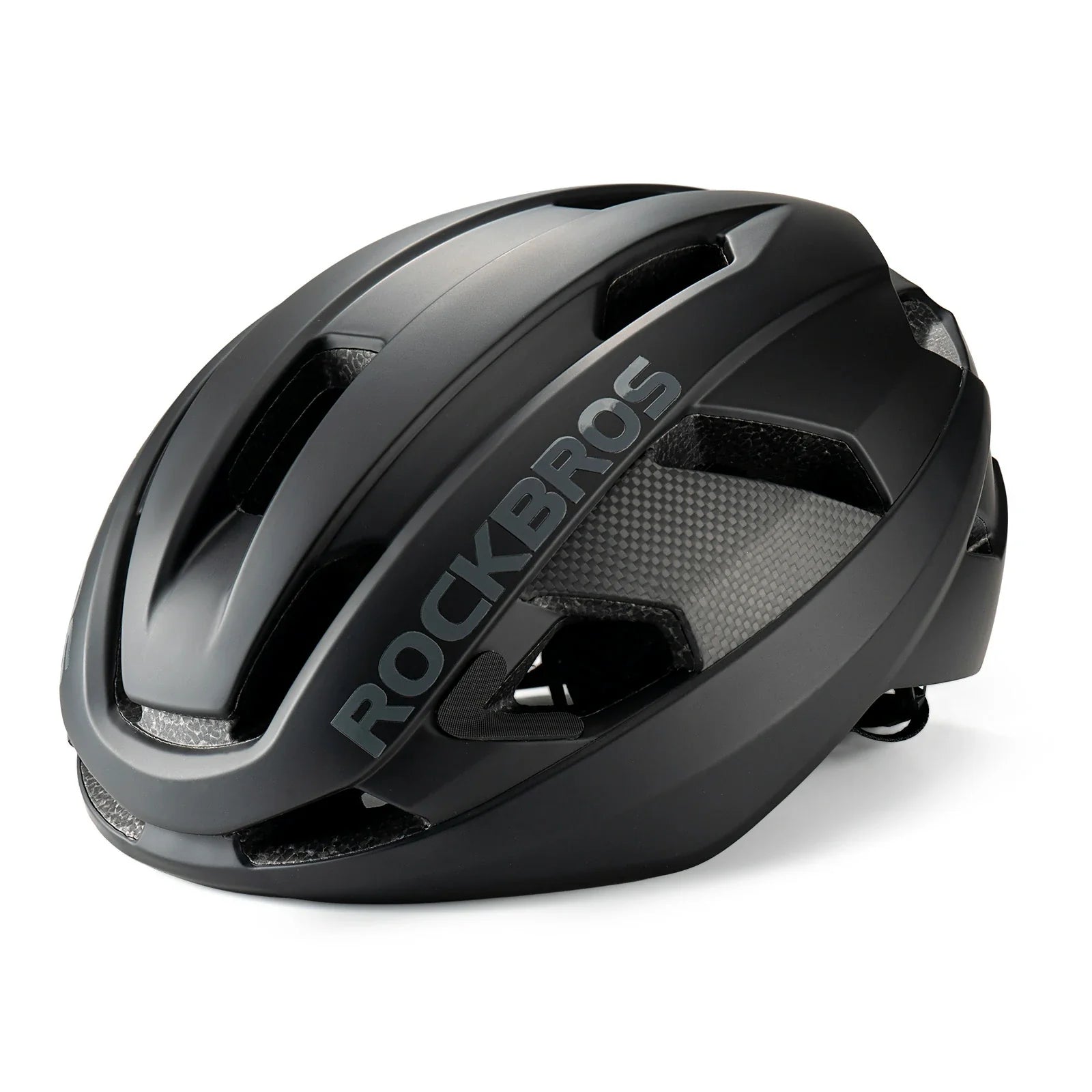
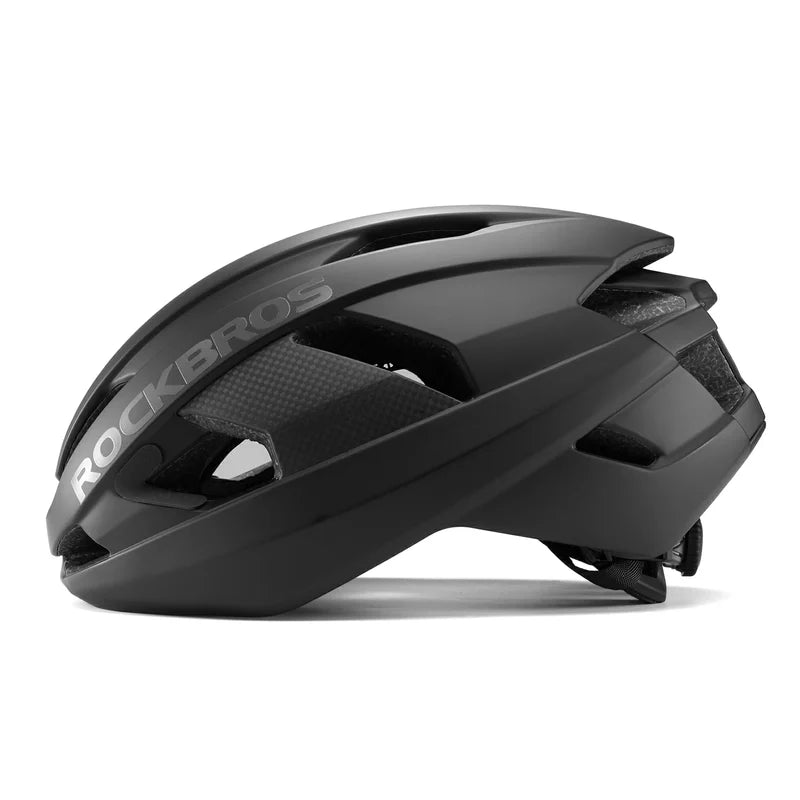
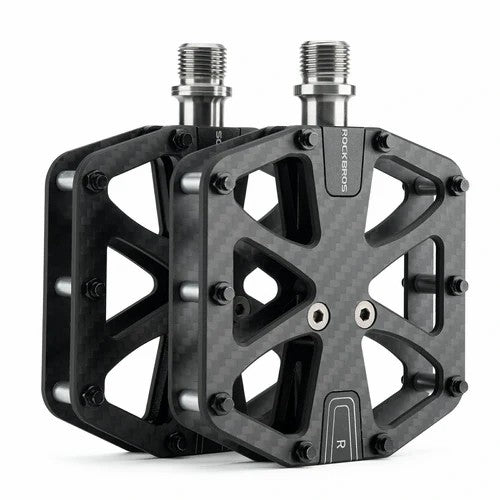
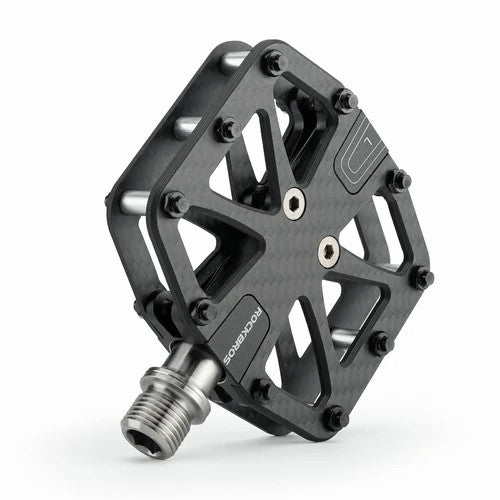
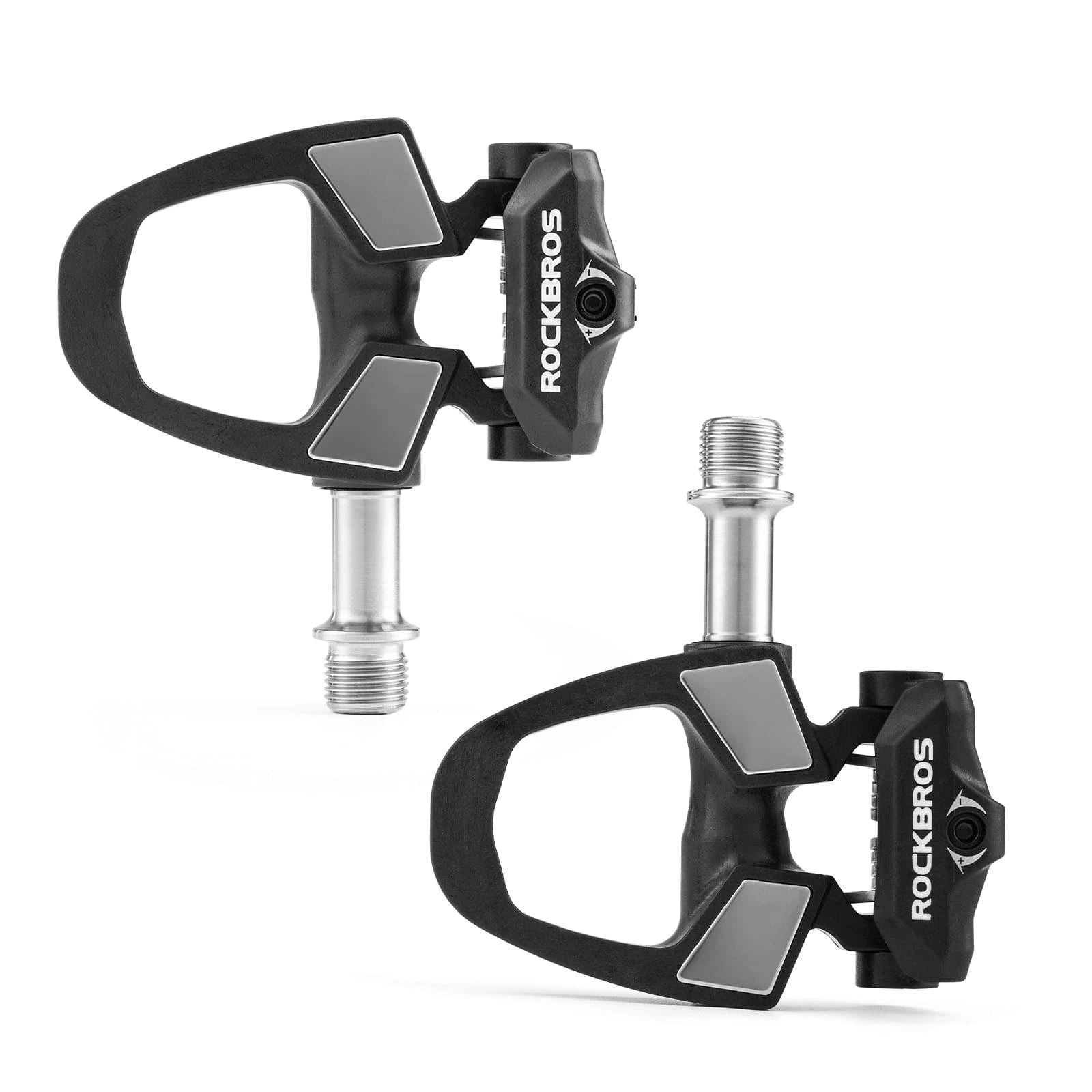
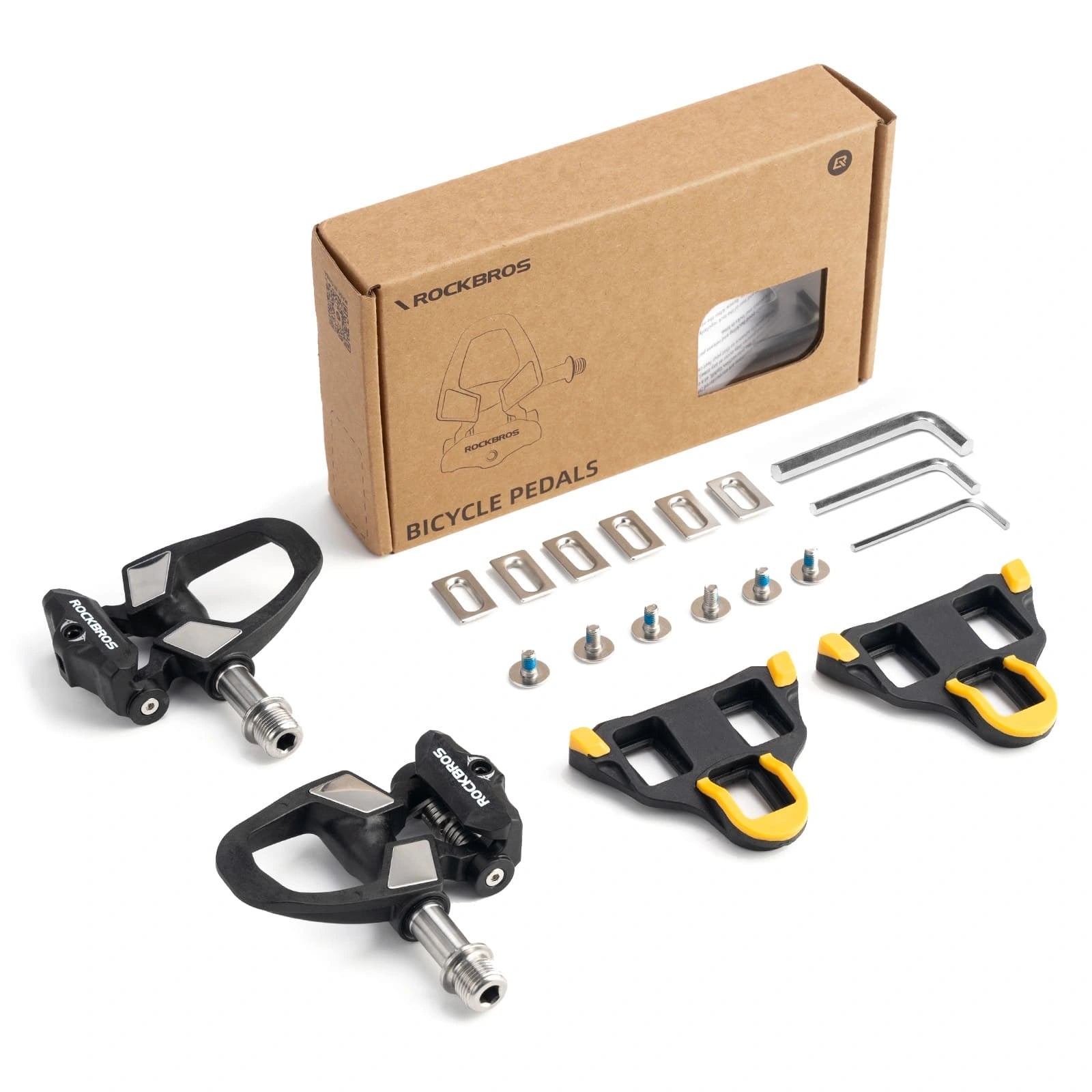
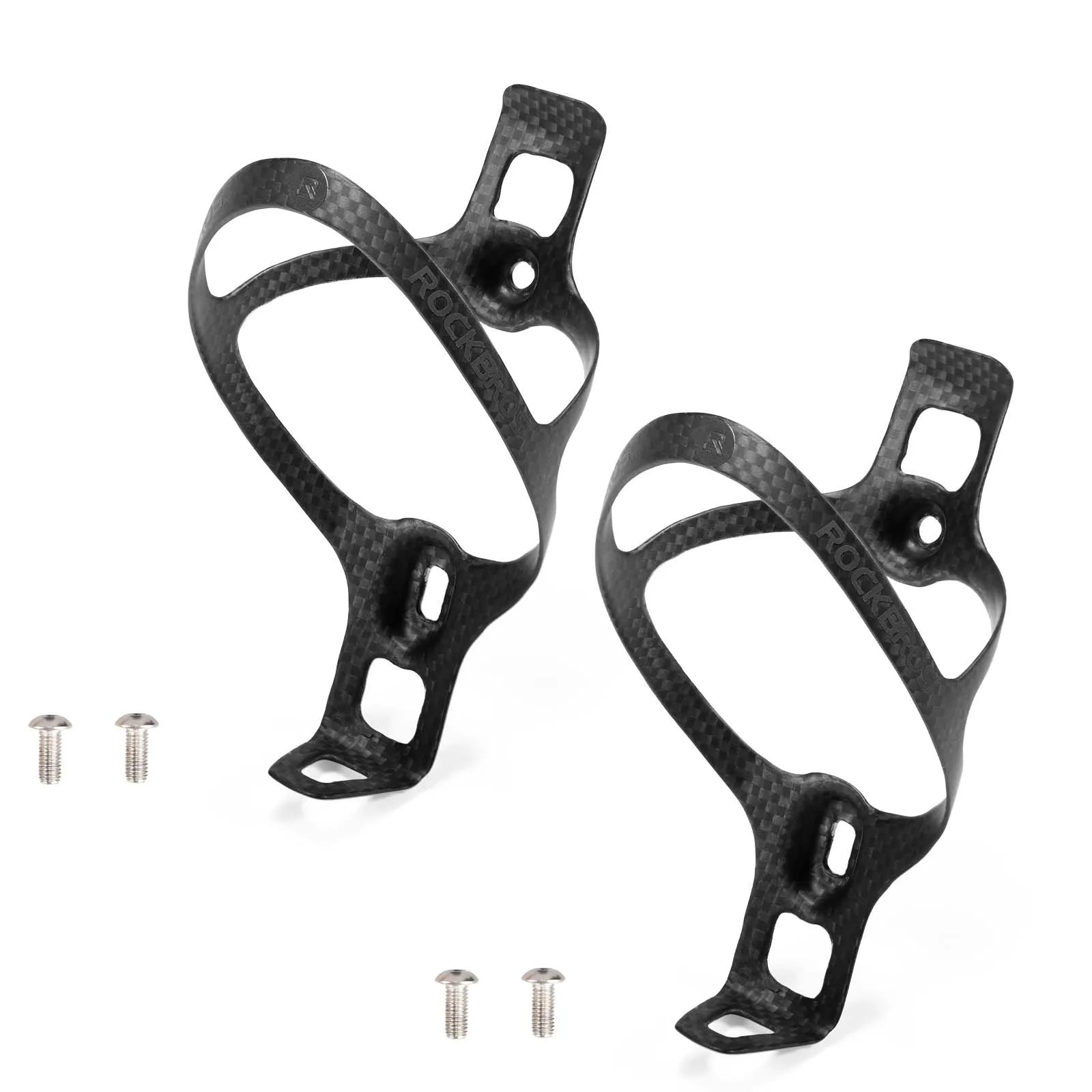
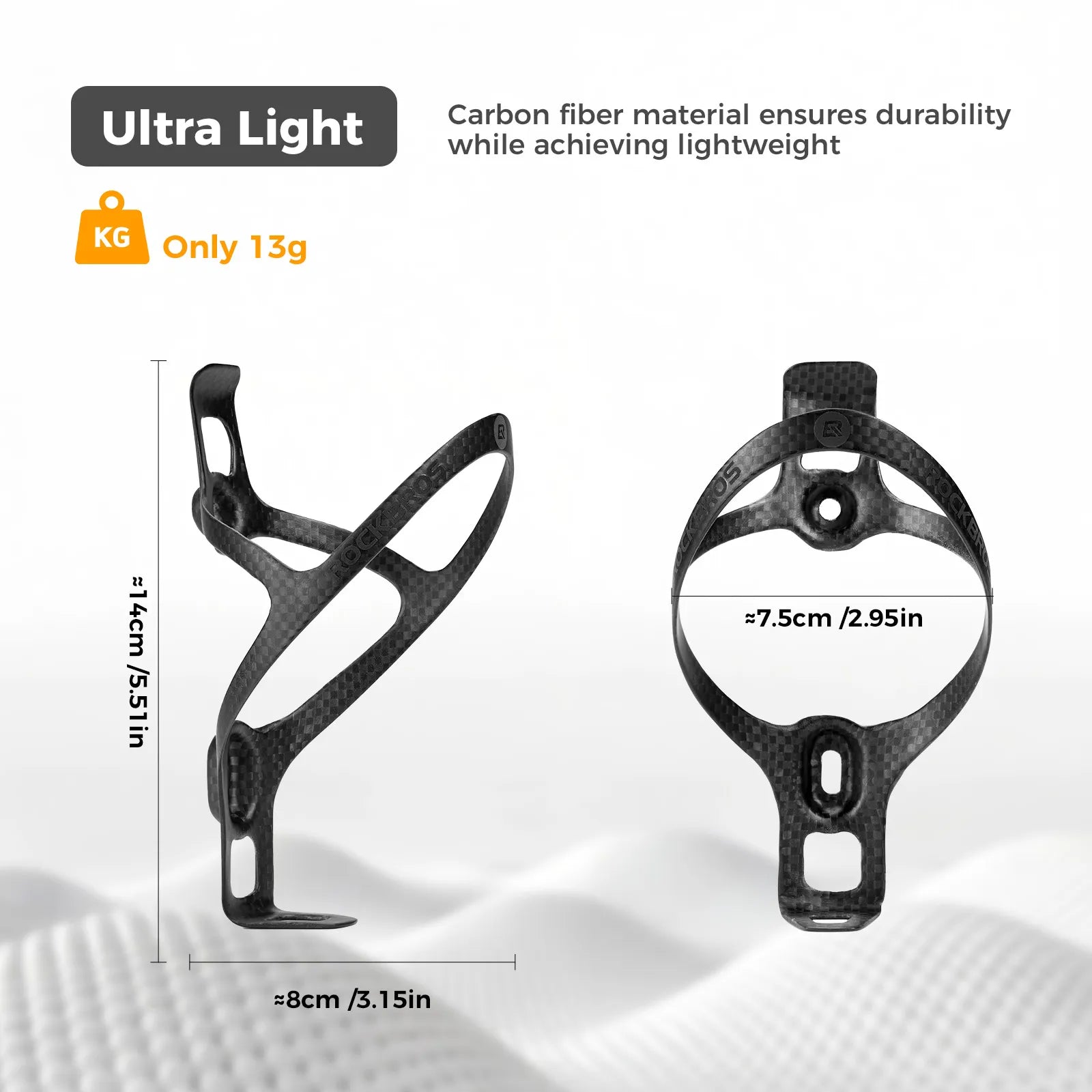
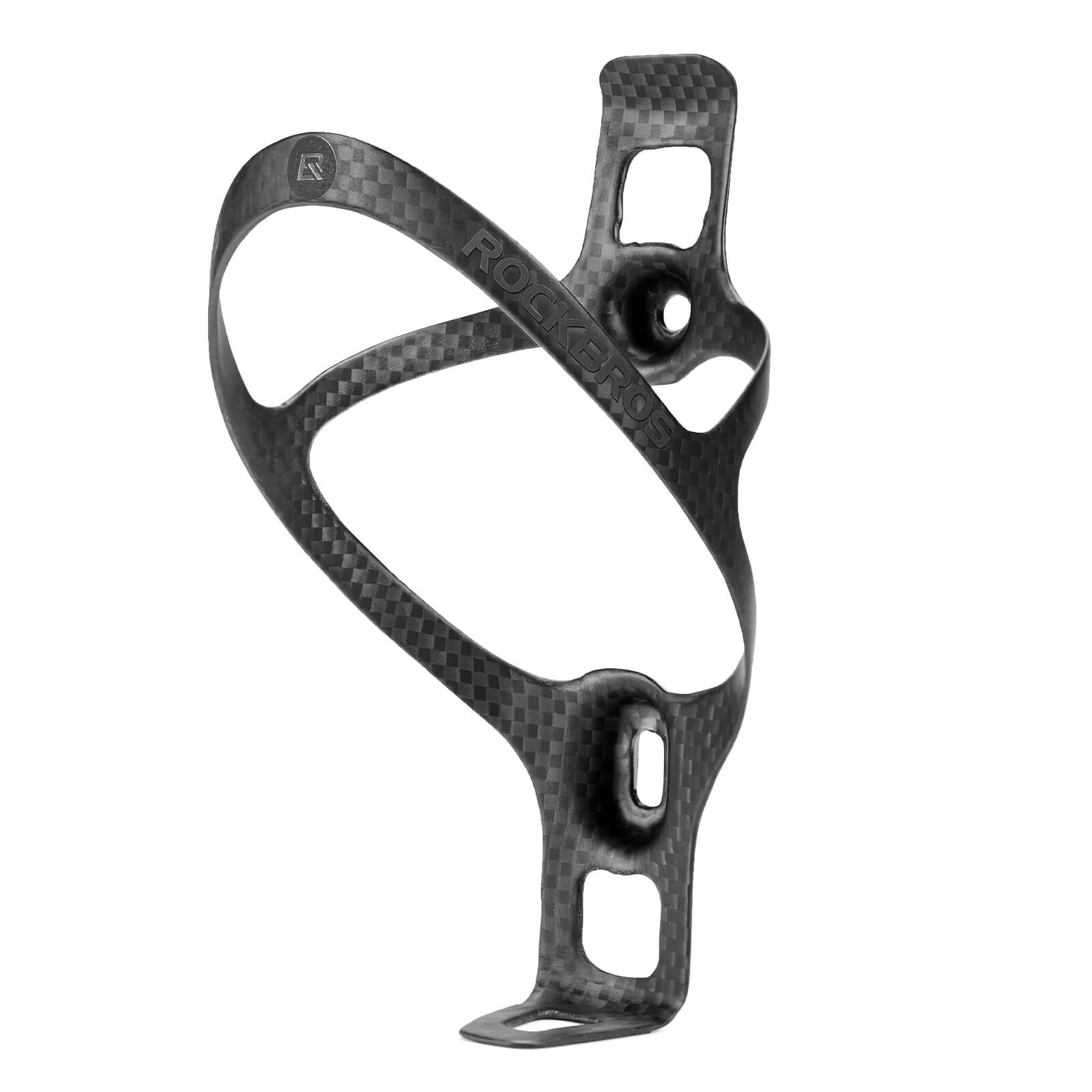
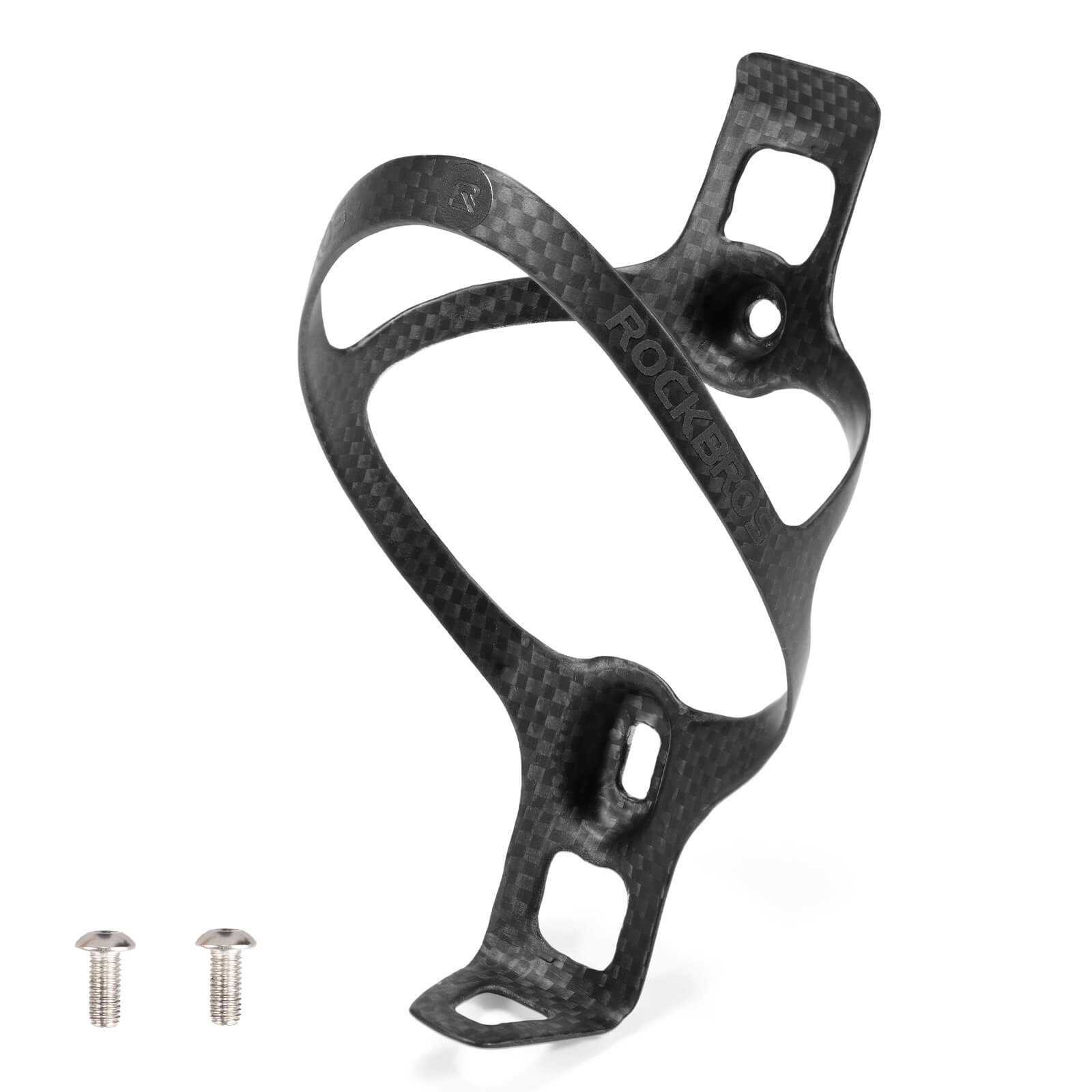
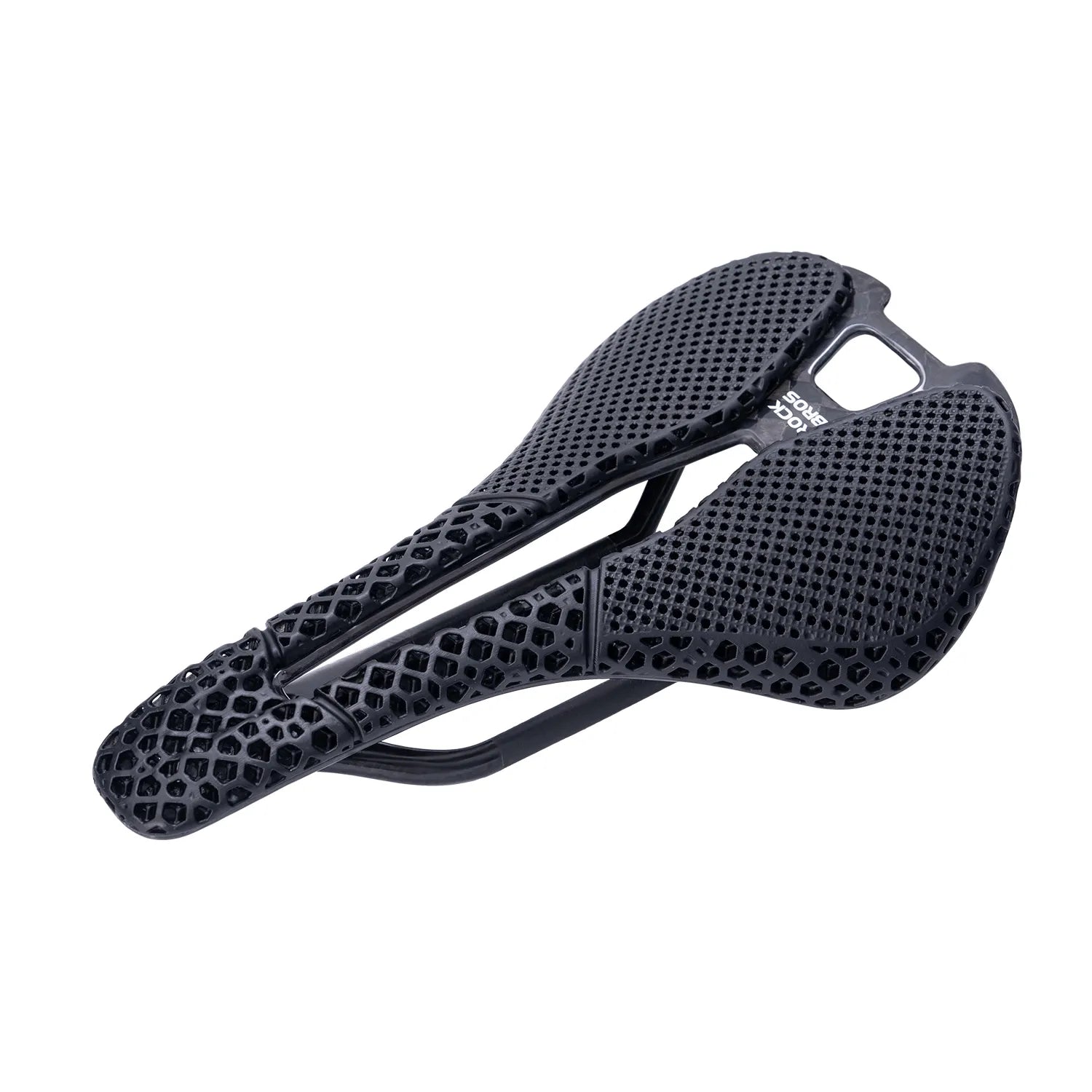
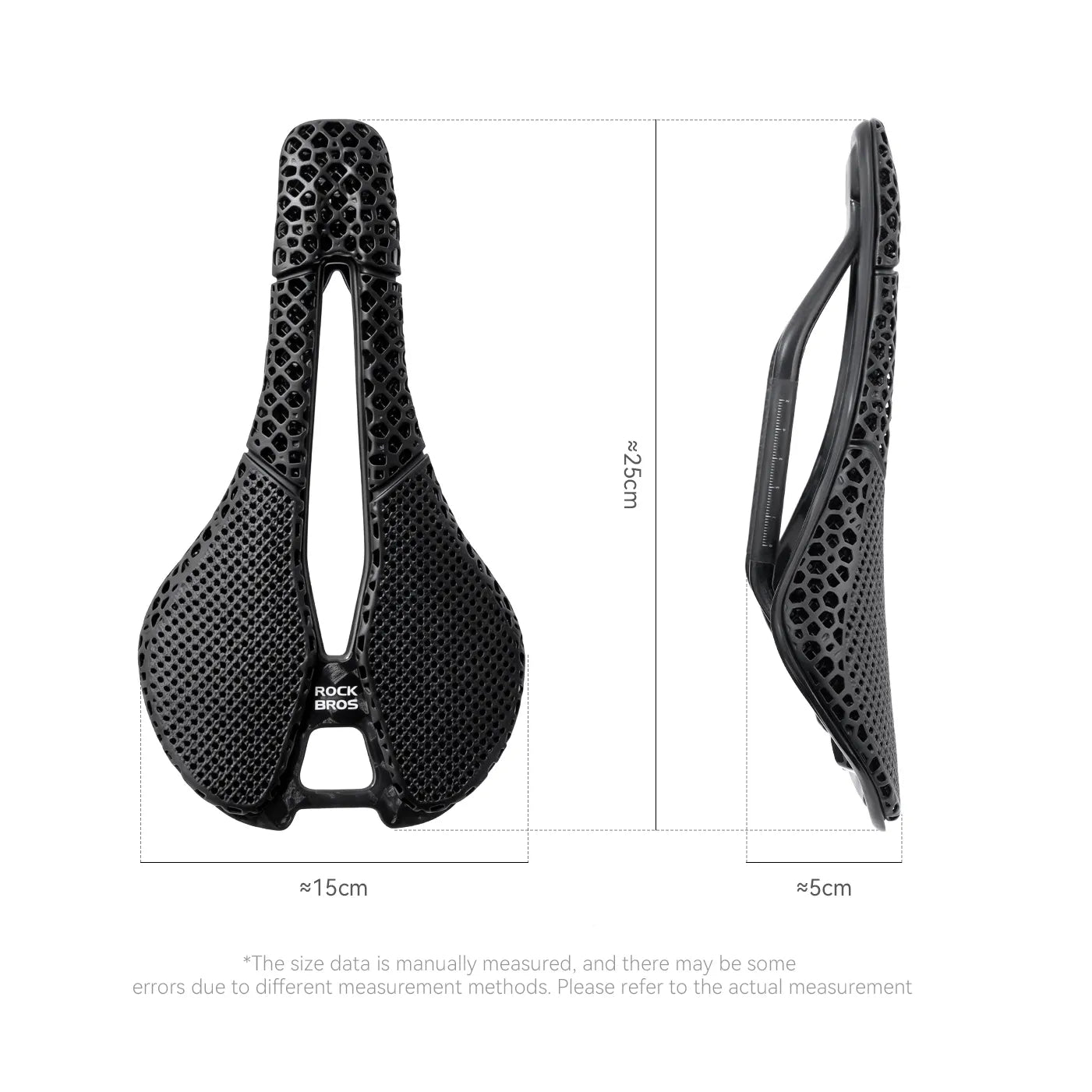


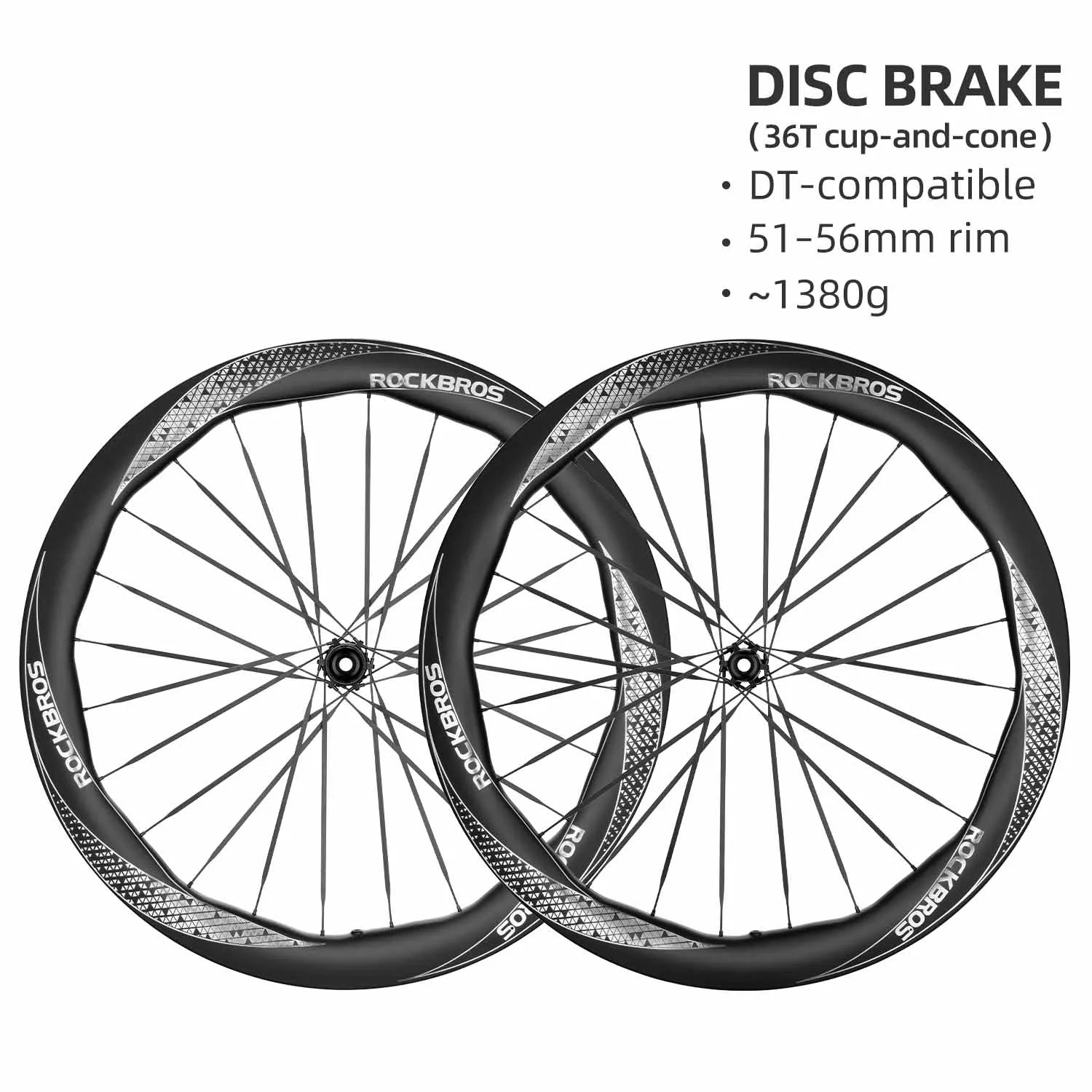
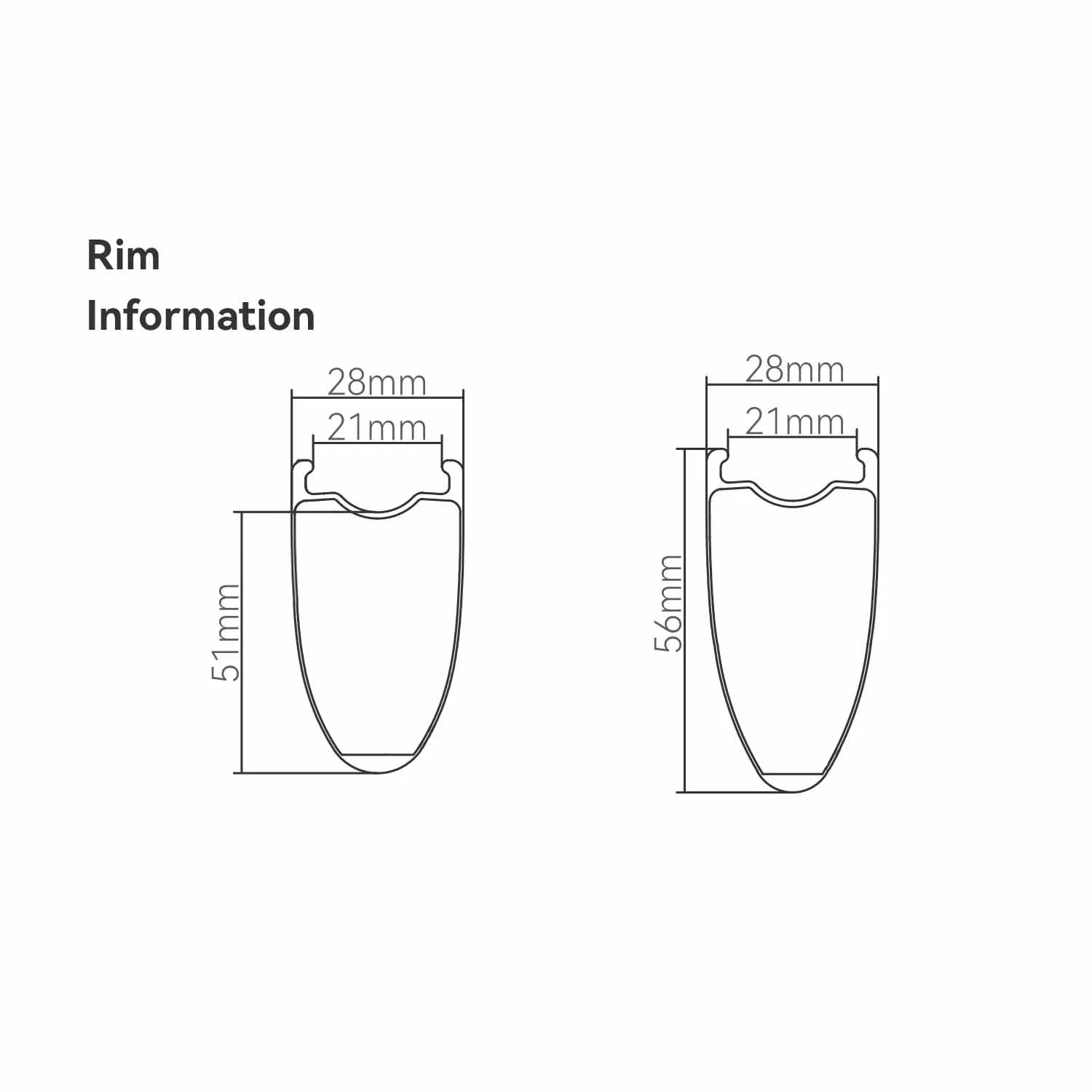
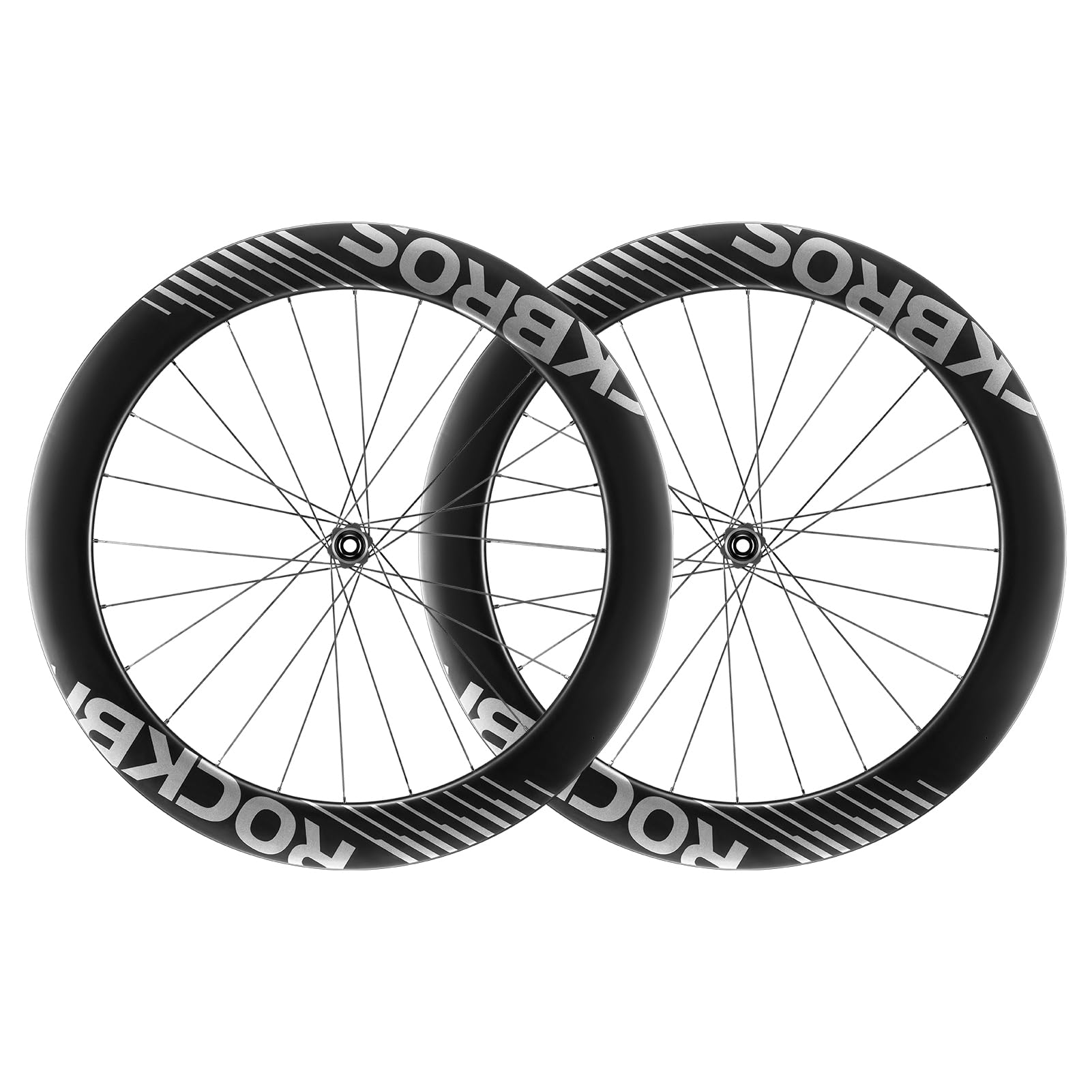
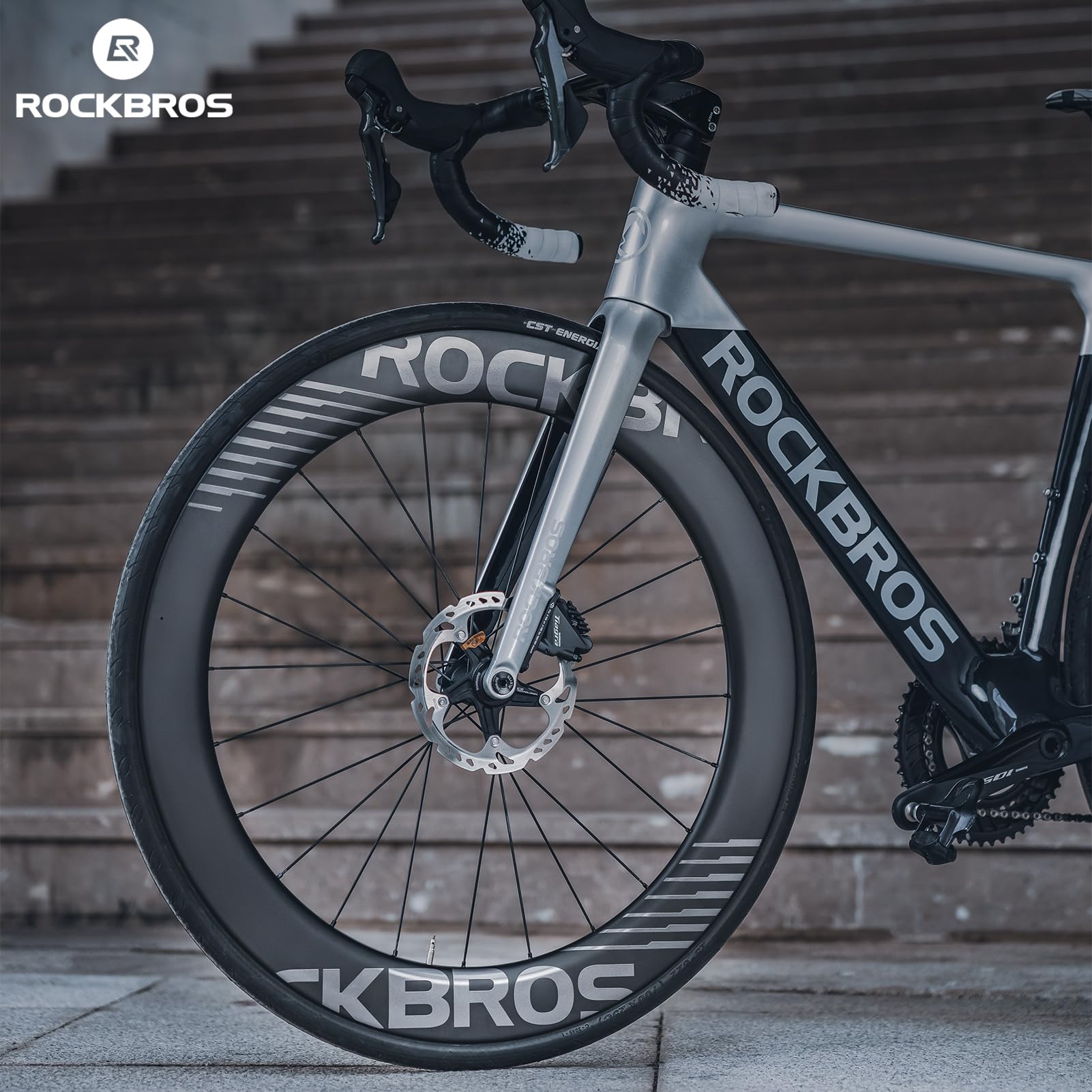
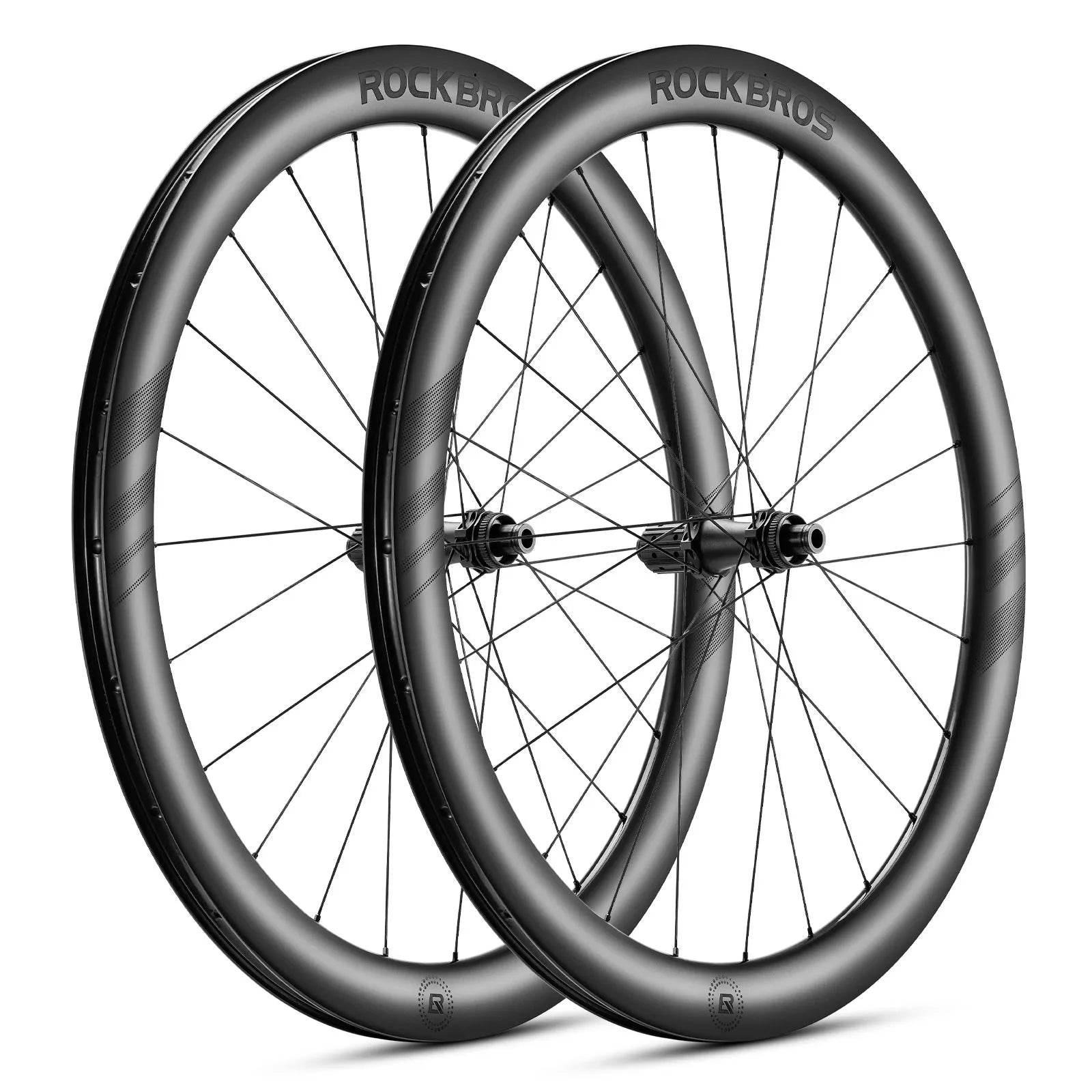
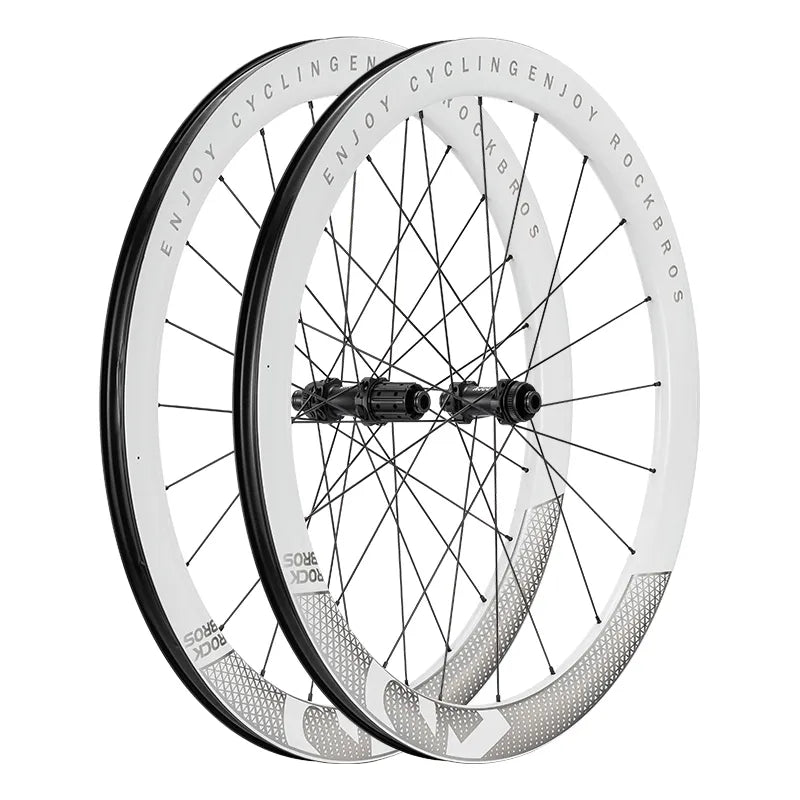

Go Lighter. Find Your Ride.
From lightweight builds to aero-focused setups, explore carbon wheelsets with different rim profiles and configurations to match the way you ride.
EXPLORE CARBON WHEELS
LIGHTWEIGHT IS ABOUT BALANCE
Built Light. Engineered with Purpose.
Carbon fiber is valued in performance cycling for its high stiffness-to-weight potential and design flexibility. By controlling fiber orientation and layup, components can be engineered around the loads they need to handle.
LIGHTWEIGHT POTENTIAL
Carbon fiber offers a high stiffness-to-weight potential, allowing components to reduce unnecessary weight while maintaining the structure required for their intended use.
TUNED STIFFNESS
Fiber orientation and layup can be engineered to manage forces in specific directions, helping achieve the required stiffness without simply adding more material.
DESIGN FLEXIBILITY
Carbon composites can be formed into complex profiles, giving engineers greater freedom to balance weight, stiffness, aerodynamics, and the intended use of each component.
Choosing a lightweight upgrade isn't just about finding the lowest number on the scale. Start with your bike, your riding goals, and where an upgrade can make the most sense.
Start with your current setup and riding goals. Wheels can be a noticeable performance upgrade, while pedals and smaller components offer a simpler way to reduce weight without rebuilding the entire bike.
No. Consider weight together with stiffness, durability, aerodynamics, compatibility, and intended use. The lightest option isn't automatically the best choice for every rider.
There's no single number that applies to every bike. Compare the actual weight of your current components with the products you're considering to understand the potential weight savings.
Check compatibility first—including dimensions, mounting standards, brake type, tire compatibility, and other product-specific requirements. Weight savings only matter if the component fits your bike and intended use.

Build the right lightweight setup for your ride.