


Introduction: The Great First‑Bike Debate
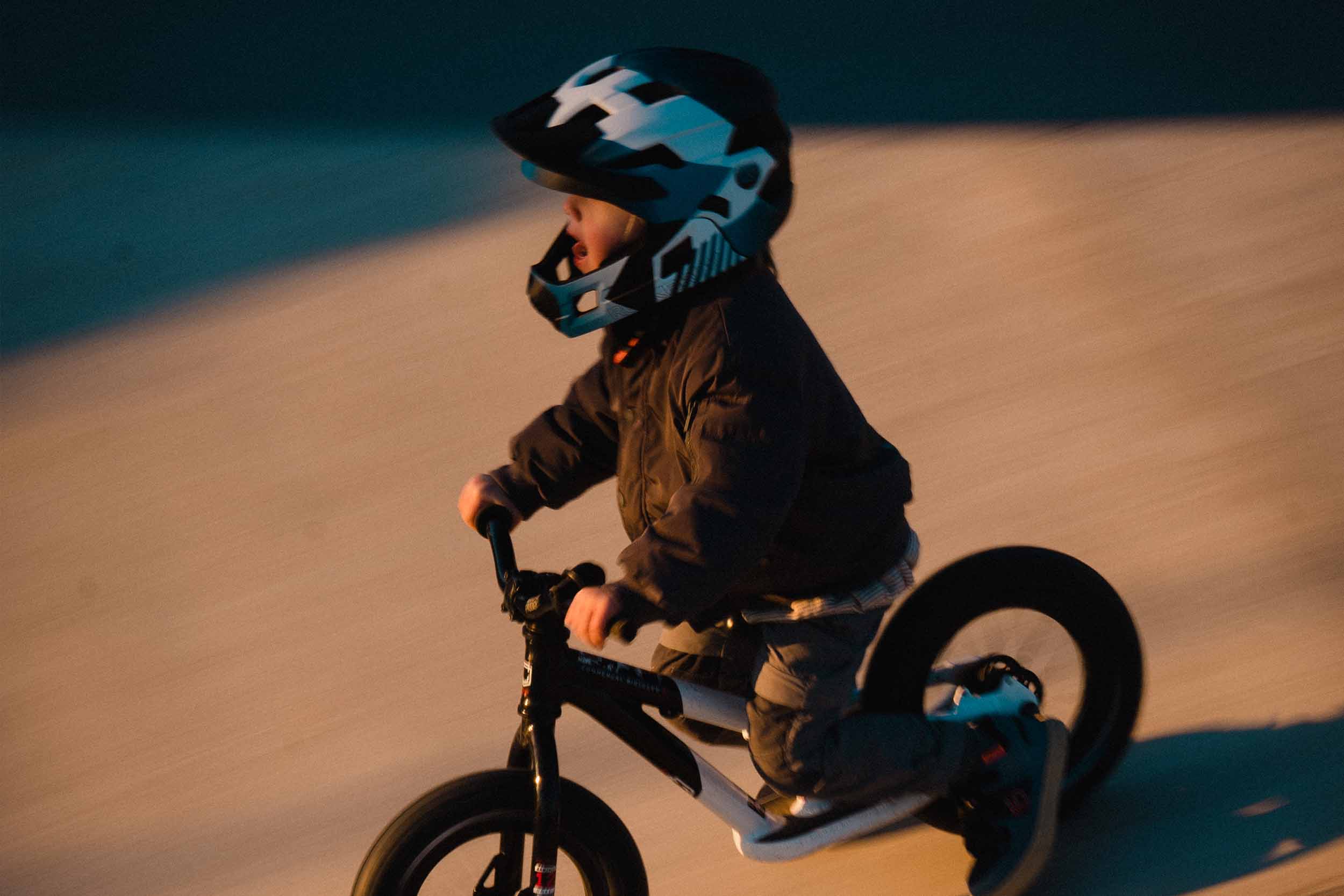
Every parent shopping for their child’s first bike faces a familiar dilemma: balance bikes or training wheels? For decades, training wheels were the default choice. But in recent years, modern parents and experts have shifted toward the balance bike revolution—a method that focuses on mastering balance before pedaling. In this article, we’ll break down the truth from three key angles: motor development, safety, and learning efficiency.
Understanding the Fundamentals
The Skill of Balance vs. The Action of Pedaling. When kids learn to ride, balance is the foundational skill. Pedaling is just the way to move once balance is already mastered. Starting with balance simplifies learning: children don’t have to juggle both balance and pedaling at the same time.
How Balance Bikes Work: Balance bikes have no pedals. Children sit and push with their feet, focusing on keeping the bike upright and steering. This design promotes natural balance and confidence from the very beginning.
“Balance bikes support natural motor development, allowing toddlers to build strength, coordination, and confidence at their own pace.” — pediatric expert
How Training Wheels Work: Training wheels attach to a regular bike and stabilize it so the child can pedal without tipping over. They support balance artificially but delay the learning of real balance skills.

The "Hidden" Problems with Training Wheels
Even though training wheels help kids stay upright initially, they come with drawbacks:
The False Sense of Security: Kids may rely on the extra wheels and not learn how to balance independently.
Negative Muscle Memory: Riding with training wheels teaches unnatural habits — leaning out on turns or depending on the wheels rather than shifting body weight.
Terrain Limitations: Training wheels can dig into soft ground like grass or gravel, causing sudden stops or falls.
Why Balance Bikes are Winning
Early Development
Balance bikes work for children as young as 18 months, helping them develop strength and coordination early.
Lightweight & Maneuverable
Balance bikes are much lighter than pedal bikes with training wheels, making them easier for young kids to handle.
Faster Transition
Scientific studies have shown that kids who start with balance bikes learn key cycling skills significantly faster than those who use training wheels. In one research program, every child in the balance bike group learned to self‑start, ride, brake, and cycle independently, while only about 77% of the training wheel group achieved the same success rate.
Even more striking, analysis of learning paths found that children who used balance bikes first tended to learn to ride independently at a younger age — on average around 4.16 years old, compared to 5.97 years old for those who used training wheels first.
Side‑by‑Side Comparison
| Feature | Balance Bikes | Training Wheels |
|---|---|---|
| Learning Focus | Balance first, pedaling later | Pedaling first, balance delayed |
| Learning Age | ~4.16 years old on average | ~5.97 years old on average |
| Success Rate | 100% independent cycling in study | ~77% in same program |
| Safety | Feet on ground, easier to stop | Wheels can catch terrain |
| Maneuverability | Excellent on diverse surfaces | Limited in soft or uneven ground |

Safety Considerations, Essential Gear & Buying Tips
The Speed Factor
Once kids get going, balance bikes can pick up speed. Good safety gear is essential:
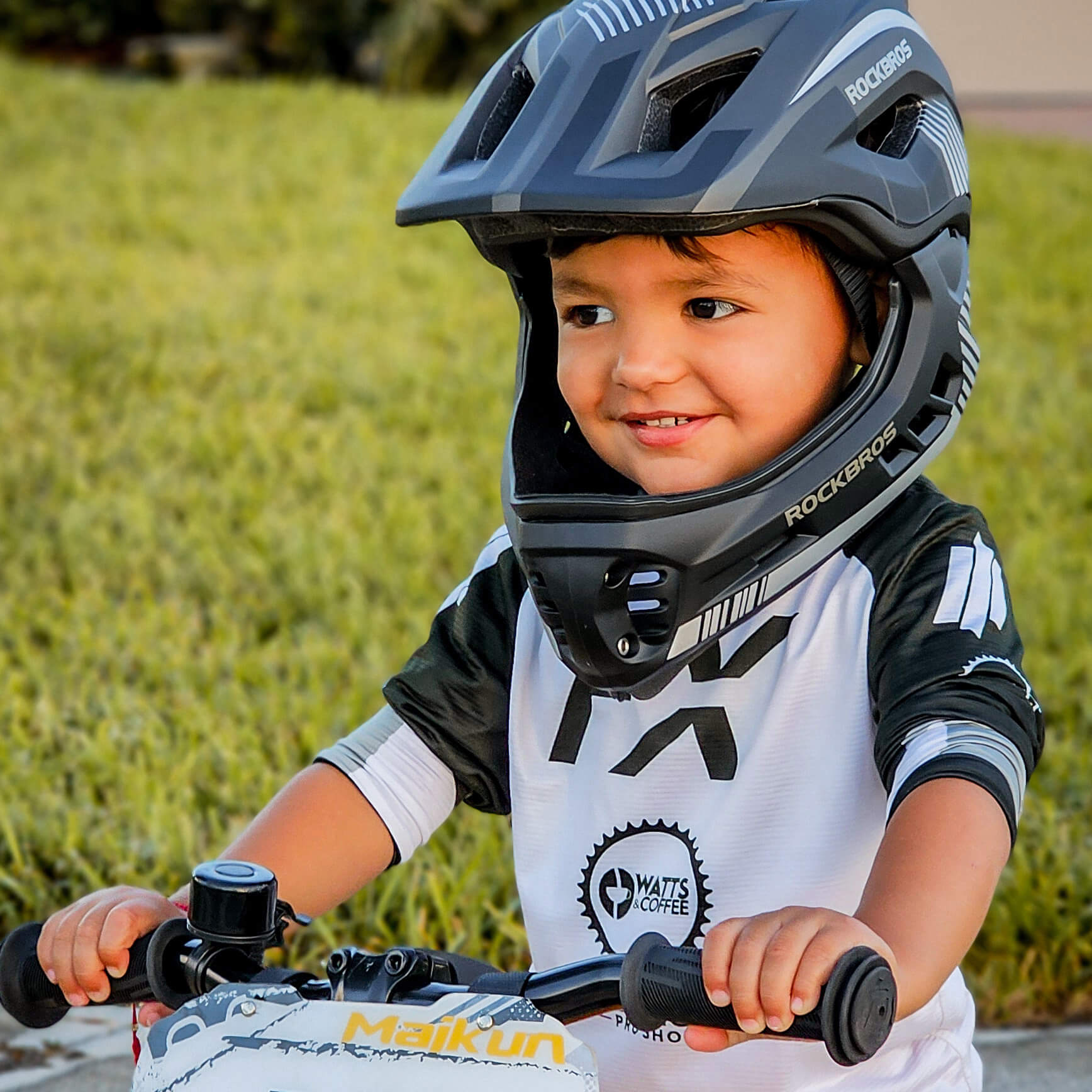
- A properly fitted helmet
- Padded gloves
- Knee and elbow pads for early practice
For more on choosing a helmet, check out How to Choose the Right Kids’ Bike Helmet.
Buying Tips for Parents
When picking a balance bike for your child, keep these points in mind:
- Correct Size: The child should be able to place both feet flat on the ground while seated. Seat height is more important than frame size.
- Lightweight: Choose a bike your child can easily lift and maneuver.
- Adjustable Features: Seats and handlebars that grow with your child extend usability.
- Tires and Terrain: Foam tires are lightweight and low-maintenance, while air-filled tires handle rougher surfaces better.
- Safety First: Check for smooth edges, secure fasteners, and non-slip handlebars.
“A balance bike that fits well and is comfortable will encourage longer practice and faster learning.”
When Should You Still Choose Training Wheels?
Balance bikes are ideal for most children aged 2–4, but training wheels can still be helpful in certain cases:
- A child starts riding later (after age 5) and wants a familiar pedal experience
- A child has specific motor challenges and needs gradual progression
Final Verdict: Which is Right for Your Child?
For the majority of young children, balance bikes provide a faster, safer, and more effective path to independent riding. They build real balance skills first, making the transition to pedal bikes smoother and more natural.
Ready to give your child a confident start? Check out ROCKBROS Balance Bike Collection — high-quality, kid‑friendly designs with excellent value. As a one‑stop shop for kids’ bikes and gear, ROCKBROS makes it easy to find the right ride for every young cyclist.

Leave a comment
This site is protected by hCaptcha and the hCaptcha Privacy Policy and Terms of Service apply.