
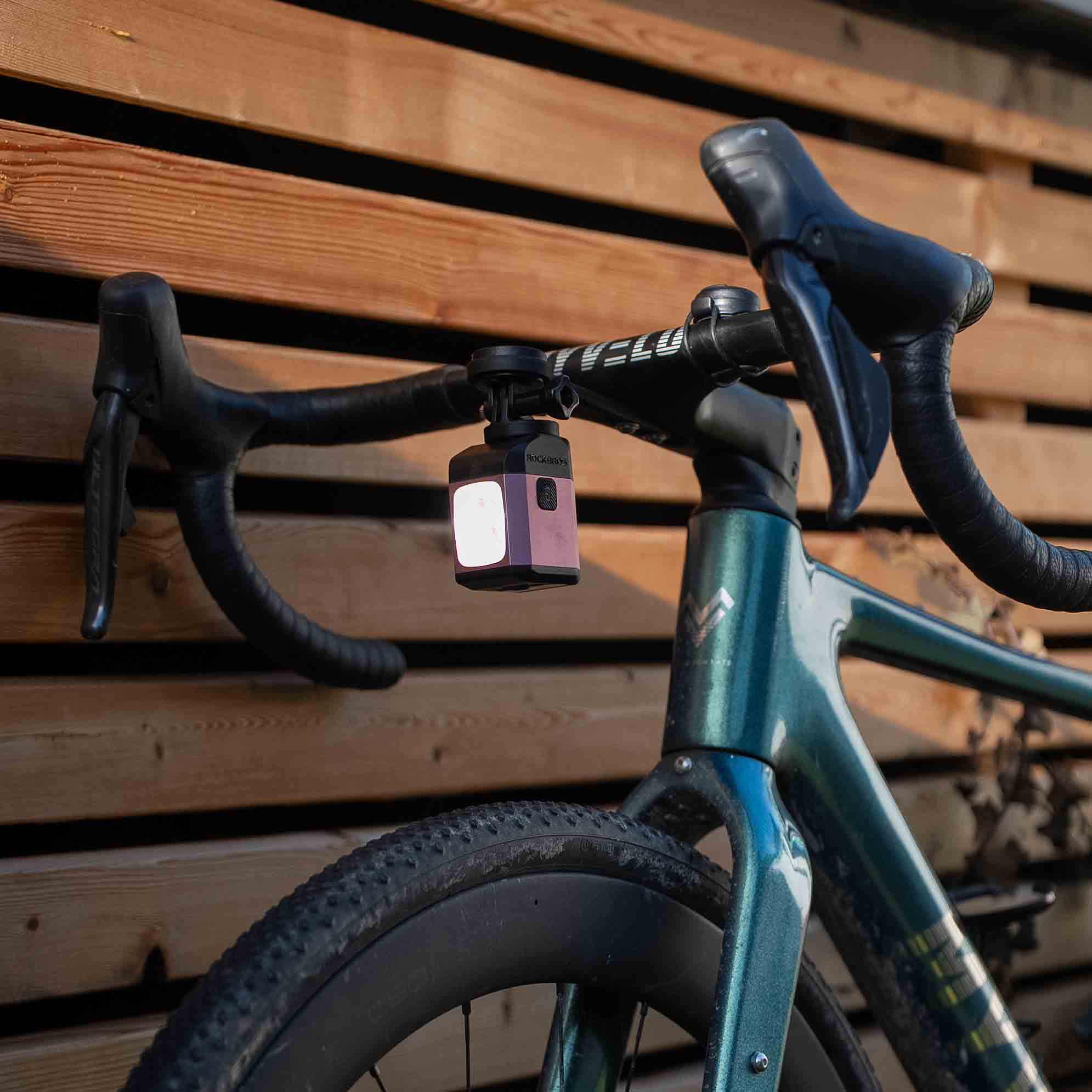


Choosing the right bike bag is about more than just extra space—it’s about keeping your ride steady and easy. Here’s a quick tip: your bike is all about balance. A bag that’s too heavy or in the wrong spot can make your steering feel heavy or make it harder to pedal against the wind. The right bag, however, sits perfectly on your bike frame, making your gear feel lighter and your ride much smoother.
In this guide, we’ll explain how where you put your bag changes your ride, so you can find the perfect match for your bike and your journey.
What Is a Bike Bag and What Types Are Available?
A bike bag (also called a bicycle bag or cycling bag) is a storage solution designed to attach directly to your bike, allowing you to carry tools, daily items, or travel gear without using a backpack. Unlike regular bags, cycling bags are built to stay stable while riding, handle vibration, and fit specific parts of the bike such as the frame, handlebar, or rear rack. This makes them more practical and comfortable, especially for longer rides or everyday use.
Different types of bike bags are designed for different positions on the bike, and each one serves a specific purpose depending on how you ride.
Saddle Bags
Saddle bags are mounted under the seat and are typically used for carrying small essentials like a spare tube, tire levers, or a multi-tool. They are especially common in road cycling because they stay out of the way and have minimal impact on pedaling or aerodynamics. Their compact size makes them a good choice when you only need basic gear. When choosing a saddle bag, consider the size and mounting system, and make sure it stays secure without adding unnecessary bulk.
Frame Bags
Frame bags fit inside the bike’s main triangle, making them one of the most balanced storage options. Because they sit close to the center of the bike, they help maintain stable weight distribution and better control, especially on longer rides or uneven terrain. They are often used for carrying slightly heavier items like tools, food, or batteries. When choosing a frame bag, check how well it fits your frame, whether it affects bottle cage space, and how securely it attaches to prevent movement during riding.
Handlebar Bags
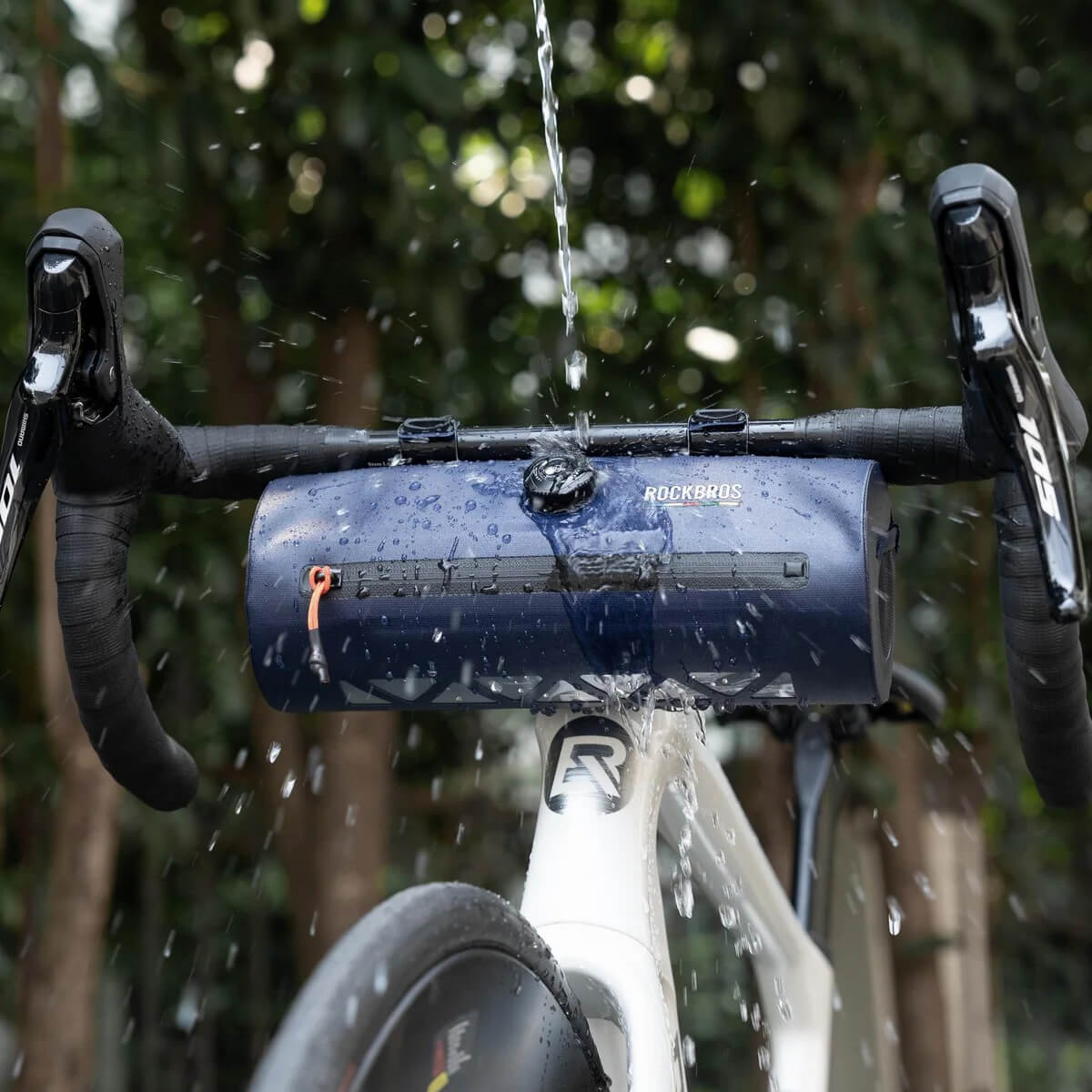
Handlebar bags attach to the front of your bike’s handlebars and provide easy access to your essentials. They are ideal for storing items you may need during the ride, such as a phone, keys, wallet, snacks, or a small camera. Larger versions can also hold extra layers like a windbreaker or arm warmers, which is helpful in changing weather. When choosing a handlebar bag, consider capacity, attachment system, and weather protection, and make sure it doesn’t block your view or interfere with your riding position.
Panniers
Panniers are mounted on a rear rack and are designed for carrying larger loads. They are commonly used for commuting, shopping, or long-distance rides where more storage is needed. Compared to other bike bags, panniers offer the most space, but they place weight toward the rear of the bike, which can slightly affect balance. When choosing panniers, look for durable materials, secure mounting hooks, and waterproof features if you often ride in wet conditions. Easy attachment and removal are also important for daily use.
At ROCKBROS, we offer a full range of cycling bags, including saddle bags, frame bags, handlebar bags, and panniers, designed to stay table on the bike and handle real riding conditions. Whether you're commuting, riding on the road, or heading out for longer adventures, there’s a solution that fits your setup.

How to Choose Bike Bags Based on Your Riding Style
Now that you know the different types of bike bags, the next step is choosing the right one based on how you ride. Each riding scenario comes with different needs, and the right setup can make your bike feel more stable, comfortable, and easier to handle.
Commuting and Everyday Riding
For daily riding, convenience and storage are the main priorities. If you’re carrying items like a laptop, clothes, or daily essentials, you’ll need enough space without making the bike feel unbalanced.
Panniers are a practical choice because they offer more capacity and are easy to remove when you arrive. Handlebar bags also work well for smaller items that you may want to access quickly during the ride.
Look for:
- Waterproof or water-resistant materials
- Easy mounting and removal
- Enough space for everyday use
Road Cycling
Road riding is more about efficiency, so keeping your setup light and simple helps maintain a smooth ride. Most riders only carry basic items like tools or snacks, so a smaller bag is usually enough.
A compact saddle bag or a slim frame bag works well here. The goal is to reduce drag and avoid anything that interferes with pedaling or riding position.
Look for:
- Lightweight and compact design
- Secure fit with minimal movement
- Low impact on performance
Mountain Biking (MTB)
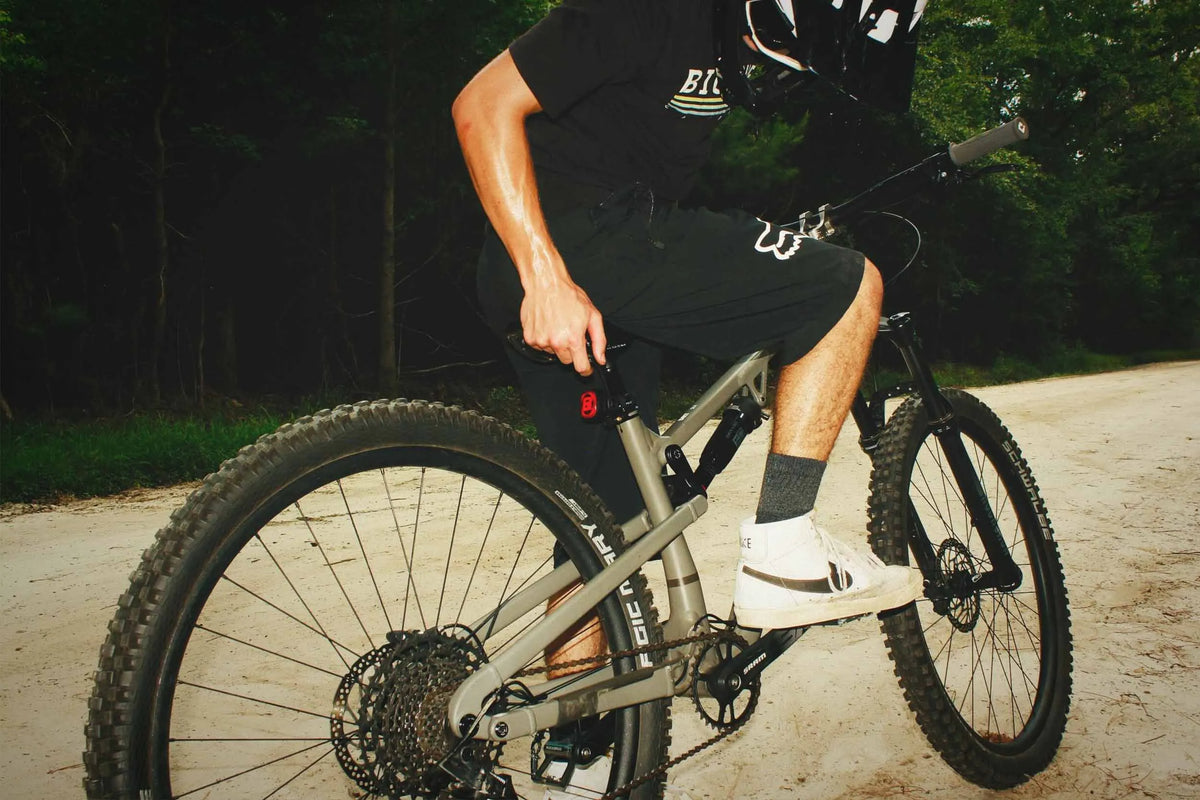
On rough trails, stability matters more than capacity. The bag needs to stay in place despite constant vibration and uneven terrain.
Frame bags are a good option because they keep the weight centered, while small saddle bags can be used for essential gear. A tight and secure fit helps maintain control during technical sections.
Look for:
- Strong and secure mounting
- Durable materials
- A stable fit that won’t shift
Bikepacking and Long Rides
For longer rides, you’ll likely carry more gear, but balance becomes just as important as storage.
Using a combination of frame, handlebar, and saddle bags helps spread the weight evenly across the bike, making it easier to handle over distance. Weather protection is also important, especially in changing conditions.
Look for:
- Balanced weight distribution
- Enough storage without overloading
- Protection against rain and dirt

Key Features to Look For
Once you’ve chosen the right type of bike bag, a few key details can make a big difference in how it performs. A secure mounting system helps keep the bag stable, especially on rough roads. A good fit ensures the bag stays close to the bike without shifting during pedaling or turning. If you ride in wet conditions, choosing waterproof or water-resistant materials can help protect your gear. Durable fabrics also matter, especially for long-term use in changing environments.
Conclusion
Choosing the right bike bag is about finding a setup that matches your riding style and keeps your bike stable and easy to handle. At ROCKBROS, we focus on designing cycling bags that are reliable, durable, and built for real riding conditions. From daily commuting to longer rides, we aim to offer practical solutions that simply work. If you're looking to upgrade your setup, explore our collection and find the bike bag that fits your ride.

Leave a comment
This site is protected by hCaptcha and the hCaptcha Privacy Policy and Terms of Service apply.