

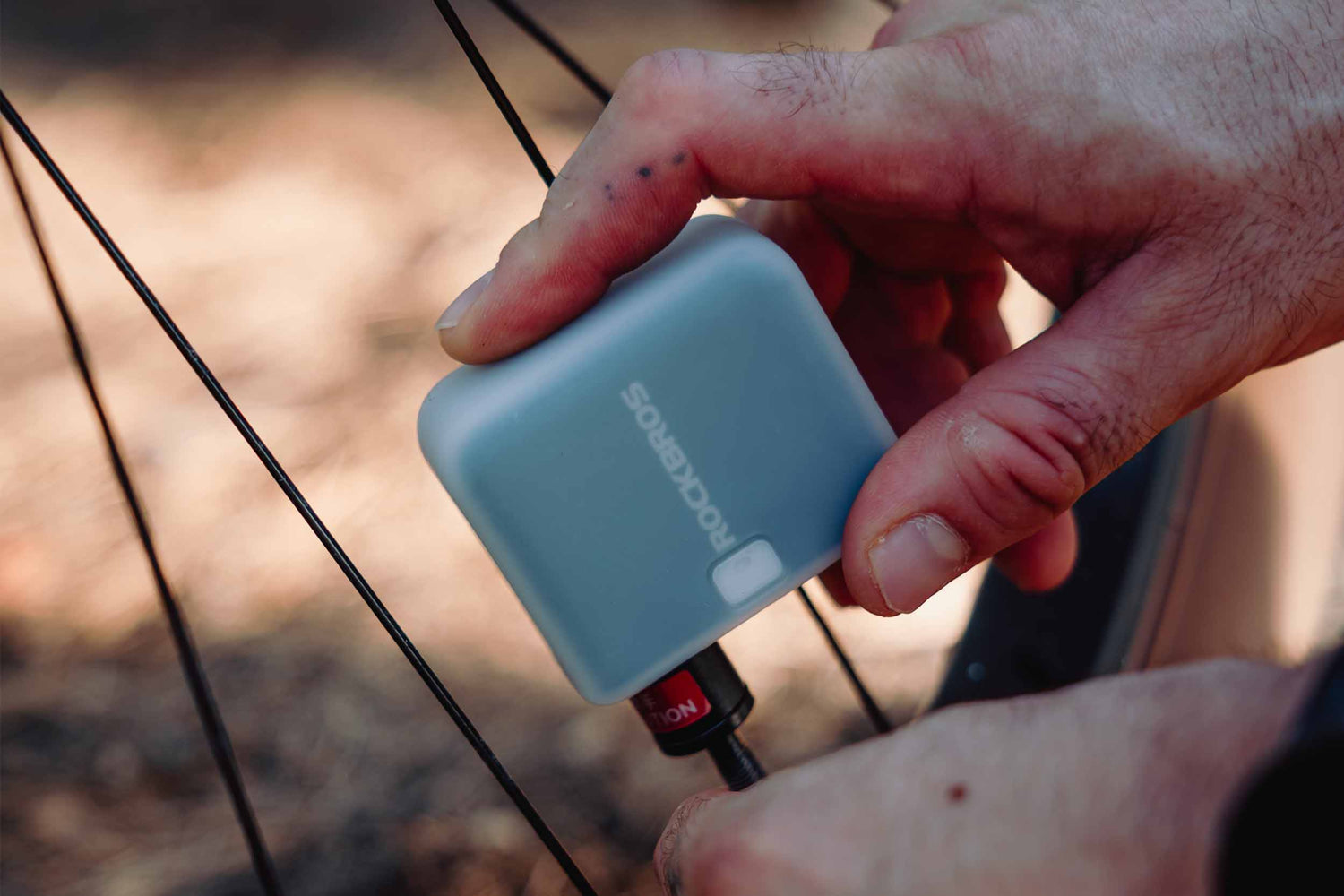
Most riders don’t think much about a bike pump—until they actually need one. Usually, that moment comes at the worst time: mid-ride, low tire pressure, and the pump you have either takes forever or just doesn’t work the way you expected. The truth is, not all pumps are the same. The right one depends on how you ride, what tires you use, and where you plan to use it. This guide breaks it down in a simple, practical way.
What Type of Valve Does Your Bike Use?
Before choosing any bike pump, check your valve type.
Most bikes use:
- Presta valve — narrow, common on road and gravel bikes
- Schrader valve — wider, like car tires, common on commuter and mountain bikes
Most modern pumps support both, but ease of use varies.
If you want something hassle-free, look for a pump with a dual-head or auto-adjusting valve system.
Floor Bike Pump vs Mini Bike Pump: What’s the Difference?
Floor Bike Pump (Best for Home Use)
A floor bike pump is the most efficient option for everyday use.
- Fast inflation
- Less effort
- Built-in pressure gauge
It’s what you’ll rely on before rides or for regular maintenance.

Mini Bike Pump (Best for Riding)
A mini bike pump is all about portability.
- Compact and lightweight
- Easy to carry on your bike
- Works anywhere
It’s not the fastest, but it gets the job done when you’re out riding.
Most riders benefit from having both:
- A floor bike pump at home
- A mini bike pump on the bik
Are Portable Bike Pumps Better Than CO₂ Inflators?
CO₂ inflators are fast, but not always practical.
CO₂ Pros:
- Instant inflation
- Very compact
Cons:
- Single-use cartridges
- Less control over pressure
A portable bike pump (like a mini pump) is slower, but more reliable for everyday riding.
Many riders carry both, but rely on the pump as the main solution.
What PSI Do You Actually Need?
Choosing the right bike pump also depends on your tire pressure.
- Road bikes: 70–110 PSI
- Gravel / hybrid: 35–70 PSI
- Mountain bikes: 18–30 PSI
👉 Key idea:
High PSI → choose a high-pressure pump
Large tires → choose a high-volume pump
Matching your pump to your tire type makes inflation faster and easier.

Do You Need a Pressure Gauge?
If you want consistent performance, yes. A good floor bike pump usually includes a gauge, which helps you avoid:
- Under-inflation (slower riding, more flats)
- Over-inflation (less grip, harsher ride)
For beginners, this is especially helpful.
What Makes a Good Bike Pump?
When comparing options, focus on usability—not just specs.
Look for:
- Secure pump head (no air leaks)
- Smooth pumping action
- Durable materials
- Easy valve compatibility
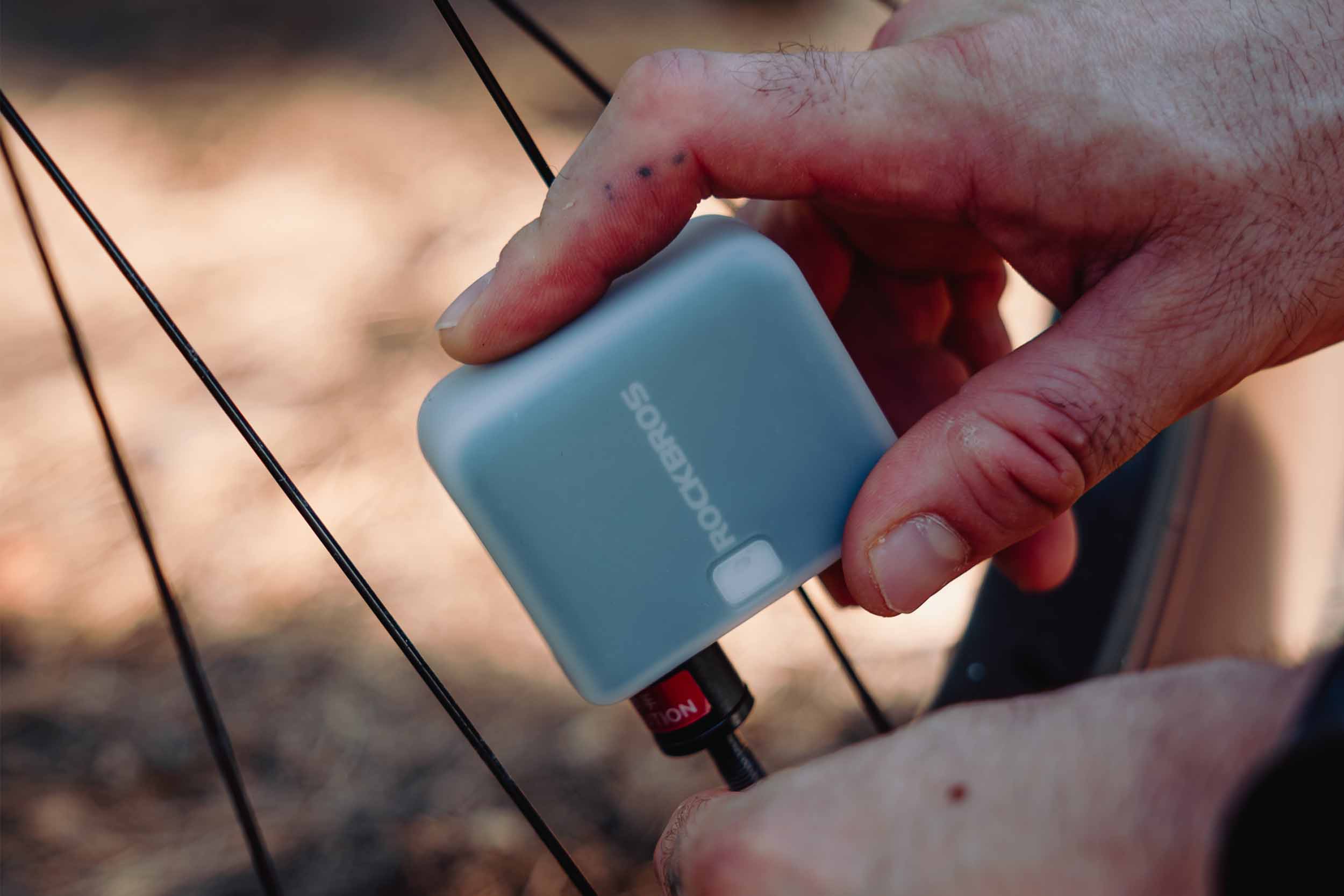
Some newer options, such as ROCKBROS' Mini Pump Electric Air Pump, focus more on convenience—especially for riders who want quick, consistent inflation without manual operation.
Choosing the Right Pump for Your Riding Style
If you want a quick answer:
- Commuting / daily riding
→ floor bike pump + mini bike pump - Road cycling
→ high-pressure floor pump + lightweight portable bike pump - Mountain biking
→ high-volume pump - Casual riders
→ floor bike pump is usually enough
Conclusion
The right bike pump really comes down to how you ride. A floor bike pump makes things easy at home, while a mini bike pump or portable bike pump keeps you prepared on the road. As long as it fits your valve, reaches the pressure you need, and feels easy to use, it will do the job well.
In practice, small details make the biggest difference. Pumps from ROCKBROS tend to focus on those details—reliable valve compatibility, consistent sealing, and a balance between size and performance. Their portable bike pump options are compact enough to carry without feeling like extra weight, while their floor bike pump designs stay stable and straightforward to use. Nothing complicated, just tools that work the way you expect.
When your pump is easy to use and does its job without hassle, even a flat tire feels like a minor stop instead of a problem.

Leave a comment
This site is protected by hCaptcha and the hCaptcha Privacy Policy and Terms of Service apply.